Stoicism Books for Beginners: From Marcus Aurelius to Ryan Holiday
Stoicism Books: Where to Start and Where to Go
STOICISM HAS HAD a remarkable second life in the 21st century. A philosophy developed in ancient Athens and refined in Rome has become the preferred life philosophy of Silicon Valley executives, military officers, and millions of ordinary people looking for a framework that actually holds up under pressure. Here's the reading sequence that gets you there.
Start Here: The Daily Stoic
Ryan Holiday's The Daily Stoic: 366 Meditations on Wisdom, Perseverance, and the Art of Living is the best entry point for modern readers. Holiday takes passages from Stoic philosophers — Marcus Aurelius, Epictetus, Seneca — and pairs each with a short reflection on its contemporary relevance. The format makes it easy to build a daily practice without requiring fluency in ancient philosophy.
Holiday's gift is translation: not just of language but of context. He makes Epictetus's life as a slave feel relevant to a modern professional trying to stay sane in a difficult job. That's harder than it sounds.
The Primary Source: Meditations
Once Holiday has oriented you, go to Marcus Aurelius directly. Meditations is the private journal of a Roman emperor — notes to himself, reminders of how to live, philosophical exercises he performed each morning. He never intended it to be published, which gives it an honesty and vulnerability that formal philosophical writing rarely achieves.
There are many translations. Gregory Hays' translation for Modern Library is the most readable modern English version. The original Penguin Classics translation by Maxwell Staniforth is more formal but beautiful in its own way.
The Practice: Stoicism and the Art of Happiness
Donald Robertson's Stoicism and the Art of Happiness is the best bridge between ancient philosophy and practical psychology. Robertson is a cognitive therapist, and his book draws explicit connections between Stoic practice and modern cognitive-behavioral therapy. If you want to understand why Stoicism works, not just that it works, this is the book.
Meditations on the Applied Life
What makes Stoicism worth serious attention is that it was always intended as a practice, not just a theory. Marcus Aurelius wasn't writing for posterity — he was working through his thinking every morning before dealing with an empire. That pragmatic orientation is what distinguishes Stoicism from most ancient philosophy, and it's why it resonates with people under genuine pressure.
Find the full best philosophy and Stoicism books list at Skriuwer.com.
Books You Might Like


Can't Hurt Me
David Goggins
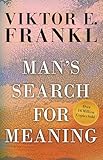
Man's Search for Meaning
Viktor E. Frankl

How To Win Friends and Influence People
Dale Carnegie