Best Books About Medieval Japan: 10 That Explain the Samurai World
Medieval Japan produced one of the most visually striking and intellectually fascinating warrior cultures in human history. The samurai, the Zen-influenced aesthetics, the strict social hierarchies, and the centuries of civil war created a civilization unlike anything elsewhere. These ten books are the best guides to understanding it.
1. The Samurai: A Military History by Stephen Turnbull
Turnbull is the leading English-language historian of the Japanese samurai and has written dozens of books on the subject. This is his most comprehensive single volume. He covers the origins of the samurai class, their weapons and tactics, the major civil wars of the Sengoku period, and their role in Japanese society from the 12th to the 19th century. Essential reading for anyone starting with this subject.
2. The Taiheiki: A Chronicle of Medieval Japan
The Taiheiki is the major literary and historical chronicle of Japan's 14th-century civil wars between the Northern and Southern Courts. Helen McCullough's translation brings this foundational text to English readers. Reading a primary source from medieval Japan, even in translation, gives you a feel for how the Japanese of that era understood loyalty, honor, and warfare that no modern secondary source can replicate.
3. Musashi by Eiji Yoshikawa
This novel, first published in serial form in Japan in the 1930s and translated by Charles Terry, follows the legendary swordsman Miyamoto Musashi from the Battle of Sekigahara to his mastery of the sword. It is fiction but grounded in history and in Japanese values around discipline, self-cultivation, and the way of the warrior. It is the most-read account of samurai culture in any language.
4. Japan: A History in Art by Bradley Smith
Smith's illustrated history traces Japanese art and culture from prehistoric times through the 20th century. For the medieval period, he covers how the aesthetic ideals of Zen Buddhism shaped everything from garden design to sword-making to tea ceremony. Understanding the visual culture of medieval Japan is as important as understanding its military history.
5. The Sengoku Period by Anthony Bryant

Bryant's concise history of the Sengoku or Warring States period (1467-1615) is the best short introduction to the most dramatic century in Japanese history. The period produced Nobunaga, Hideyoshi, and Tokugawa and ended with the unification of Japan under the Tokugawa shogunate. Bryant covers the political and military history with clarity and doesn't get lost in the complexity of the competing warlords.
6. Hagakure: The Book of the Samurai by Yamamoto Tsunetomo
Written in the early 18th century by a samurai who retired to become a monk, Hagakure is a collection of thoughts on the way of the samurai. Its most famous line is "the way of the samurai is found in death." It is a primary source for samurai values and attitudes, not a modern interpretation. The William Scott Wilson translation is the standard English version.
7. The Book of Five Rings by Miyamoto Musashi
The actual writings of the swordsman who inspired the novel above. Written in 1645, The Book of Five Rings is Musashi's treatise on strategy and combat. It is short and dense, and has been read as both a practical martial text and a philosophical guide to strategy in any domain. The Thomas Cleary translation is accessible without sacrificing accuracy.
8. Shogun by James Clavell
Clavell's 1975 novel follows an English navigator who arrives in Japan in 1600 and becomes entangled in the Sengoku wars. The historical events closely parallel the real arrival of William Adams and the conflict between Tokugawa and Ishida Mitsunari. It is fiction, but Clavell researched Japanese culture and social structure carefully. The best way to absorb the feel of the period if you find the nonfiction options too dense.
9. The Cambridge History of Japan, Vol. 3: Medieval Japan
The academic reference work for Japanese medieval history, covering the Kamakura, Muromachi, and Sengoku periods. Specialist chapters on economics, religion, literature, and governance. Not casual reading but the most comprehensive scholarly resource available in English for anyone doing serious research.
10. Embracing Defeat: Japan in the Wake of World War II by John Dower
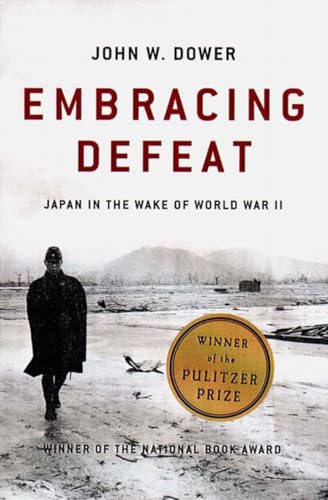
Not a book about medieval Japan but included here because understanding what happened to Japan in 1945 illuminates what medieval Japan built and what it destroyed. Dower's Pulitzer Prize-winning history of the American occupation reveals how deeply the samurai ethos had shaped modern Japan, and what it cost. Context for how medieval values persisted into the 20th century.
Medieval Japan remains one of the most studied and romanticized periods in world history. These ten books cut through the myths and give you the real history of the samurai world.
Your next good book, in your inbox
We only write when we find a book worth your time. Hand-picked recommendations across history, mythology, true crime and more.
Are you an author?
Get your book in front of readers like these, for free.
- Free book listing →Your own book page with an Amazon button
- Author page →Photo, bio and links to your site
- Featured placement →A spot in our best-of lists, from €29
Free tools we recommend
Get free honest reviewsReview exchange on iWrity, free to join
Books You Might Like

It Ends with Us: A Novel
Colleen Hoover

The Seven Husbands of Evelyn Hugo: A Novel
Taylor Jenkins Reid

The Song of Achilles
Madeline Miller

Educated: A Memoir
Tara Westover