Best Books About the Black Death: The Plague That Changed Medieval Europe
Between 1347 and 1351, the Black Death killed somewhere between 75 and 200 million people across Eurasia. In Europe alone, it may have reduced the population by 30 to 50 percent. It killed faster than anything before it, and it killed indiscriminately: peasants and kings, clergy and merchants, old and young.
The aftermath reshuffled European society in ways that accelerated the Renaissance and eventually the modern world. These books tell that story.
Top Picks
1. The Black Death by John Kelly
The most comprehensive popular history of the Black Death. Kelly follows the plague from its origins in Central Asia through its devastating sweep across Europe. The narrative is vivid and the historical detail is solid.
2. The Fate of Rome by Kyle Harper

Harper's thesis is that disease and climate change were decisive factors in Roman decline, but his analysis of the Justinianic Plague (541 AD, the first major bubonic plague pandemic) is essential background for understanding the Black Death two centuries later.
3. The Great Mortality by John Kelly
An alternative title in some editions, this comprehensive account covers the plague's medical, social, and psychological impact. Kelly draws on contemporary sources to bring the catastrophe to life.
4. Plagues and Peoples by William McNeill
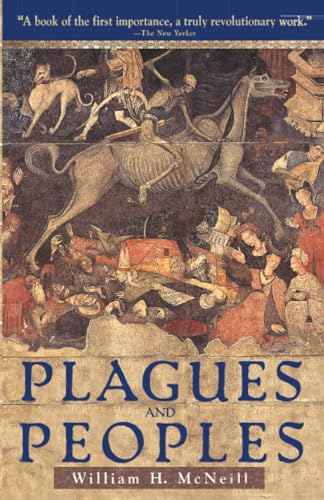
McNeill's classic examination of how infectious diseases have shaped human history. The chapter on the Black Death is essential, but the broader argument about disease as a driver of historical change is the book's most important contribution.
5. In the Wake of the Plague by Norman Cantor
Cantor examines the social aftermath: the labor shortages that empowered peasants, the questioning of church authority, the artistic transformation, and the eventual economic recovery. How did Europe rebuild after losing half its people?
6. The Black Death: Natural and Human Disaster in Medieval Europe by Robert Gottfried
A scholarly examination of the plague's biology, its origins, and the social structures that made medieval Europe so vulnerable. Gottfried places the Black Death in the context of medieval population growth and overcrowding.
7. The Decameron by Giovanni Boccaccio
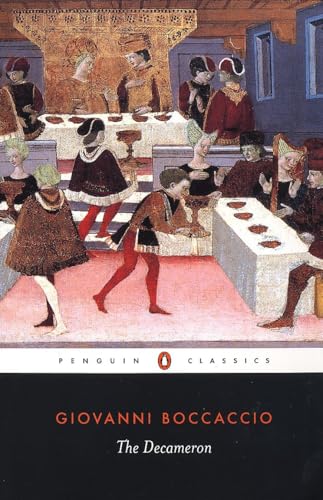
Written in 1353, The Decameron opens with a firsthand description of the plague in Florence. Boccaccio survived the epidemic and his descriptions of the city during the outbreak remain the most vivid primary source we have.
8. A Distant Mirror by Barbara Tuchman

Tuchman's narrative history of the 14th century uses the life of one French nobleman to examine the century of plague, war, and social upheaval. One of the great popular history books, even if some details are now considered outdated.
9. The Medieval Plague by David Herlihy
A short, scholarly examination of the demographic impact of the Black Death and the long-term changes in European population patterns that followed. Essential reading for understanding the economic transformation of late medieval Europe.
10. Epidemics and Society by Frank Snowden
A comprehensive history of pandemic disease from antiquity to the present. The Black Death chapter benefits from being placed alongside cholera, smallpox, influenza, and HIV. Context matters for understanding what was unique about 1347.
The Long Shadow
The Black Death did not just kill people. It killed certainty. The medieval church could not explain why God would allow such indiscriminate killing, and its failure to contain or explain the plague shook the institutional authority that had organized European life for centuries. What came after, including new ideas about medicine, labor, and eventually religion, was shaped in part by the catastrophe.
Your next good book, in your inbox
We only write when we find a book worth your time. Hand-picked recommendations across history, mythology, true crime and more.
Are you an author?
Get your book in front of readers like these, for free.
- Free book listing →Your own book page with an Amazon button
- Author page →Photo, bio and links to your site
- Featured placement →A spot in our best-of lists, from €29
Free tools we recommend
Get free honest reviewsReview exchange on iWrity, free to join
Books You Might Like

It Ends with Us: A Novel
Colleen Hoover

The Seven Husbands of Evelyn Hugo: A Novel
Taylor Jenkins Reid

The Song of Achilles
Madeline Miller

Educated: A Memoir
Tara Westover