Best Books About World War One: 10 That Explain Why It Happened and What It Cost
World War One killed 20 million people, ended four empires, and planted the seeds for a second, worse war twenty years later. Understanding it is not just about trench warfare and mud. It is about how a relatively stable European order collapsed into something nobody planned for, and what that catastrophe revealed about human civilization. These ten books cover the full picture.
1. The Guns of August by Barbara Tuchman
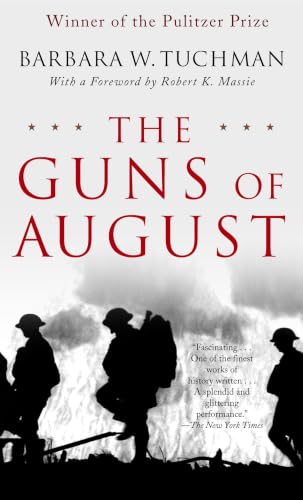
Tuchman's Pulitzer Prize-winning account of the opening weeks of the war remains one of the best books about any military conflict ever written. She traces how a series of mobilization plans, diplomatic miscalculations, and rigid military timetables produced a war that none of the major powers actually wanted in the form it took. The book is gripping as narrative and devastating as argument.
2. The First World War by John Keegan
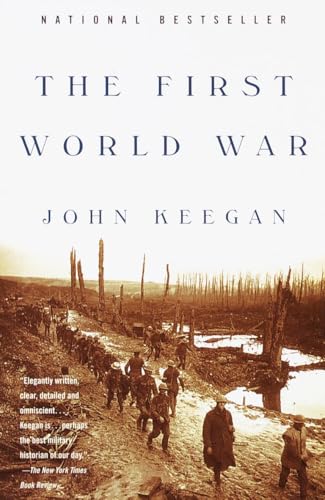
Keegan's single-volume history of the entire war is the standard reference for readers who want both overview and depth. He covers the major campaigns on all fronts, analyzes the strategic decisions, and brings in the human experience of the soldiers. For anyone who wants one comprehensive book on the war, this is it.
3. All Quiet on the Western Front by Erich Maria Remarque
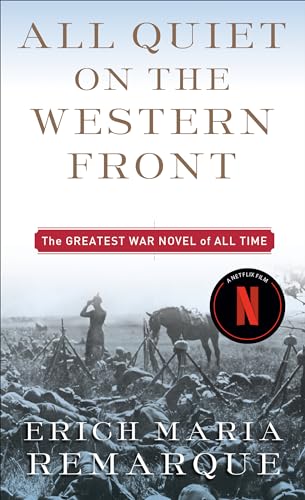
Remarque's 1929 novel, written from the perspective of a young German soldier, is the defining literary account of the war's human cost. It captures the disillusionment, the horror, and the complete disconnect between the propaganda of home and the reality of the trenches. Still the most powerful anti-war novel ever written.
4. Paris 1919 by Margaret MacMillan
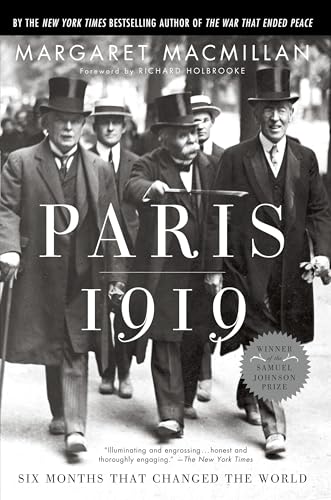
MacMillan's account of the Paris Peace Conference is the essential companion to any understanding of WWI. The choices made at Versailles in 1919 shaped the next three decades of history. She shows how Wilson, Clemenceau, and Lloyd George tried to remake the world map and why the result satisfied no one and guaranteed future conflict.
5. Storm of Steel by Ernst Junger
Junger's memoir, written without remorse or sentimentality, is the other side of Remarque. He found the war exhilarating and describes combat with the cool eye of a man who genuinely thrived in it. Essential for understanding the mentality that would make fascism possible among veterans who could not return to civilian life.
6. The Sleepwalkers by Christopher Clark
Clark's 2012 history of how Europe went to war in 1914 is the most important revisionist account of the war's origins. He argues that responsibility was shared across all the major powers and that the war was not simply Germany's fault. Controversial among historians but compellingly argued and based on extensive archival research.
7. A World Undone by G.J. Meyer
Meyer's narrative history of the entire war is written for general readers without any prior knowledge. He structures the book around chronological chapters interspersed with background sections explaining the politics, technology, and social context. The approach works well and produces one of the most accessible single-volume histories available.
8. Goodbye to All That by Robert Graves
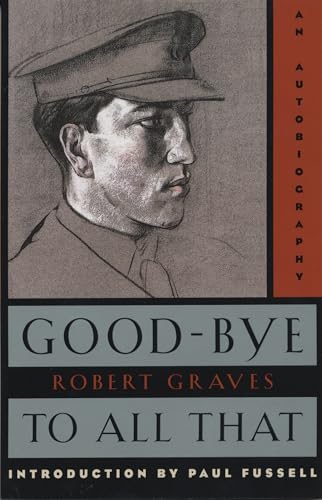
Graves's memoir covers his time as a British officer on the Western Front and his complete break with the values and culture that sent him there. More literary than strictly historical, it captures the class dynamics of the British officer corps and the particular horror of trench warfare as experienced by an educated young man who survived it.
9. The Great War and Modern Memory by Paul Fussell
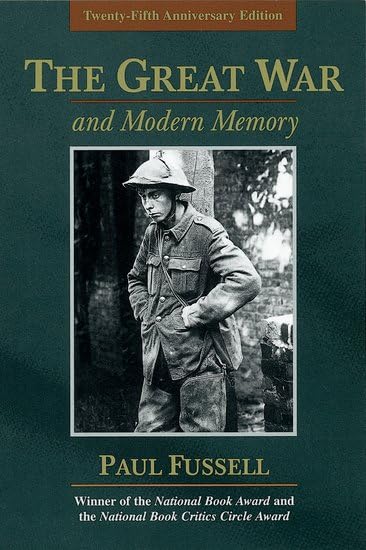
Fussell's 1975 study of how British writers made sense of the war became a landmark in both military history and literary criticism. He argues that the war created the irony and disillusionment that defines modern sensibility. Dense and scholarly but genuinely illuminating about why WWI literature looks the way it does.
10. Lawrence in Arabia by Scott Anderson
Anderson's account of T.E. Lawrence and the Arab Revolt gives the war's Middle Eastern dimension a narrative it rarely gets in Western accounts. Lawrence, a young British intelligence officer, helped coordinate the Arab uprising against the Ottoman Empire, a campaign whose consequences we still live with today. Reads like a thriller.
World War One was not just a military event. It was a civilizational rupture. These ten books show how it happened, what it felt like to live through it, and why its consequences outlasted the war itself by generations.
Your next good book, in your inbox
We only write when we find a book worth your time. Hand-picked recommendations across history, mythology, true crime and more.
Are you an author?
Get your book in front of readers like these, for free.
- Free book listing →Your own book page with an Amazon button
- Author page →Photo, bio and links to your site
- Featured placement →A spot in our best-of lists, from €29
Free tools we recommend
Get free honest reviewsReview exchange on iWrity, free to join
Books You Might Like

It Ends with Us: A Novel
Colleen Hoover

The Seven Husbands of Evelyn Hugo: A Novel
Taylor Jenkins Reid

The Song of Achilles
Madeline Miller

Educated: A Memoir
Tara Westover