Best Books About World War Two: 10 That Cover Every Dimension of the Conflict
World War Two killed between 70 and 85 million people, roughly 3 percent of the world's population at the time. It reshaped every continent, ended European colonial dominance, produced the nuclear age, and created the international order we still live in. Understanding it fully requires more than one book. These ten cover the war from different angles and together give a complete picture.
1. The Second World War by Antony Beevor
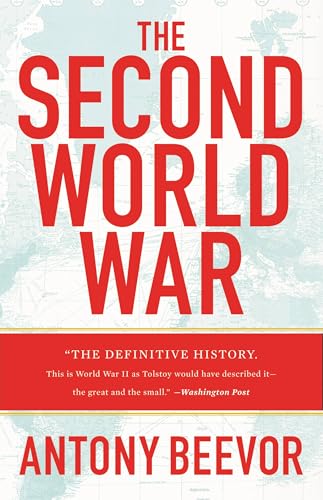
Beevor's single-volume history of the entire war is the best starting point for general readers. He covers all major theaters, integrates the Eastern Front as seriously as the Western Front (unusual in English-language histories), and writes with a narrative momentum that makes 800 pages feel short. His research draws heavily on Soviet and German archives opened after 1991.
2. The Diary of a Young Girl by Anne Frank
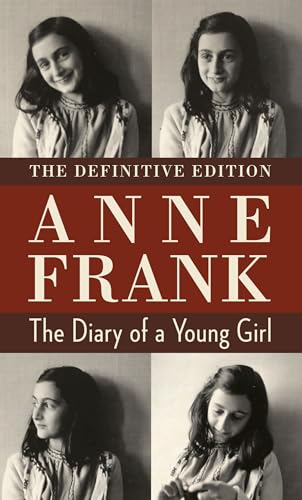
Anne Frank's diary, kept in hiding in Amsterdam from 1942 to 1944, is one of the most read books of the 20th century and still the most immediate account of what the Holocaust meant at the level of a single human life. It belongs in any reading list about the war not as background but as the subject itself.
3. Stalingrad by Antony Beevor
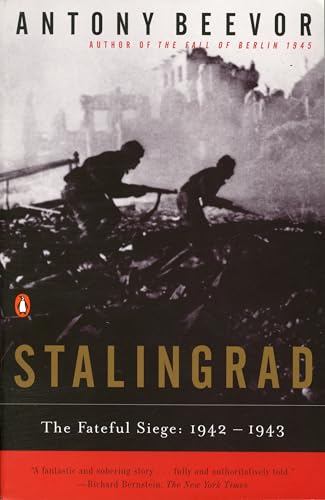
Beevor's account of the Battle of Stalingrad, where Germany lost its Sixth Army in the winter of 1942-43, was a landmark in popular military history when it appeared in 1998. It uses Soviet and German primary sources to reconstruct not just the tactical story but the experience of individual soldiers on both sides. The defeat at Stalingrad effectively ended Germany's offensive capacity in the East.
4. The Rise and Fall of the Third Reich by William Shirer
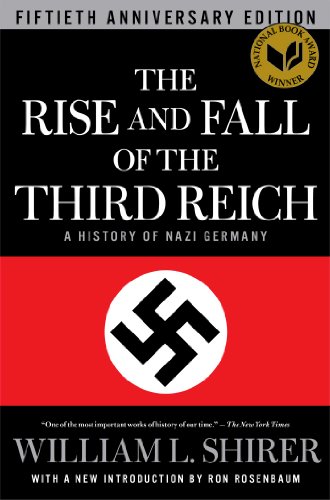
Shirer was an American journalist in Berlin from 1934 to 1940, and his monumental history of Nazi Germany draws on both his eyewitness experience and the captured German documents available after the war. Published in 1960 and still in print, it remains the standard narrative of how the Third Reich came to power, fought the war, and was destroyed.
5. Band of Brothers by Stephen Ambrose
Ambrose's account of Easy Company, 506th Parachute Infantry Regiment, follows a group of American paratroopers from training through D-Day, the Battle of the Bulge, and into Germany. Based on extensive interviews with survivors, it is the best book about the war from the perspective of American infantry and captures both the camaraderie and the cost of the fighting.
6. Night by Elie Wiesel

Wiesel's memoir of his time in Auschwitz and Buchenwald is the essential Holocaust testimony alongside Anne Frank's diary. Written in 1956, it is brief and devastating. Wiesel won the Nobel Peace Prize in 1986, in part for this book's contribution to Holocaust memory.
7. The Longest Day by Cornelius Ryan
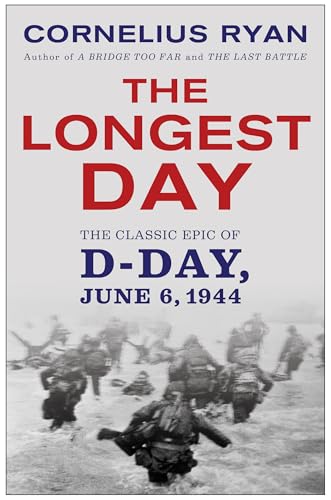
Ryan's account of D-Day on June 6, 1944, reconstructed from interviews with hundreds of participants on both sides, set the template for popular military history. Published in 1959, it remains the most readable account of the Normandy landings and is especially valuable for its integration of the German perspective alongside the Allied one.
8. The Pacific War by John Costello
Costello's comprehensive history of the Pacific theater corrects the Western-centric view that WWII was primarily a European war. The Pacific fighting from Pearl Harbor to Hiroshima was its own vast conflict, with its own strategic logic, its own atrocities, and its own turning points. This volume gives it the depth it deserves.
9. Ordinary Men by Christopher Browning

Browning's study of Reserve Police Battalion 101, a German unit of middle-aged men who became mass killers on the Eastern Front, is one of the most disturbing and important books written about the Holocaust. His question is not who the perpetrators were but how ordinary people become capable of mass murder, and his answer challenges every comfortable assumption about human nature.
10. The Fate of the West by Bill Emmott
Emmott's broader argument about what the postwar order meant and what is now at risk provides essential context for understanding why WWII mattered beyond its military dimensions. The postwar settlement, NATO, the EU, the Bretton Woods institutions: these were the lasting products of the war's outcome, and understanding them helps explain why the war was worth the cost.
World War Two was not one war but many simultaneous conflicts with different causes, different characters, and different endings. These ten books together cover the full scope of what happened and why it still matters.
Your next good book, in your inbox
We only write when we find a book worth your time. Hand-picked recommendations across history, mythology, true crime and more.
Are you an author?
Get your book in front of readers like these, for free.
- Free book listing →Your own book page with an Amazon button
- Author page →Photo, bio and links to your site
- Featured placement →A spot in our best-of lists, from €29
Free tools we recommend
Get free honest reviewsReview exchange on iWrity, free to join
Books You Might Like

It Ends with Us: A Novel
Colleen Hoover

The Seven Husbands of Evelyn Hugo: A Novel
Taylor Jenkins Reid

The Song of Achilles
Madeline Miller

Educated: A Memoir
Tara Westover