Best Legal Thriller Books in 2026: 10 Courtroom Dramas That Grip You Like a Vice
The best legal thriller books of 2026 include John Grisham's The Firm, Scott Turow's Presumed Innocent, and Michael Connelly's The Lincoln Lawyer. Each pairs an authentic courtroom procedure with a protagonist forced to choose between winning and doing what's right, the tension that defines the genre at its best.
Legal thrillers sit at a crossroads most fiction never reaches. They combine the procedural tension of a mystery, the moral weight of a courtroom, and the personal stakes of a protagonist who knows just enough law to understand exactly how badly things can go wrong. Done right, the genre grips you not because someone might die but because a verdict might destroy an innocent person, or set a guilty one free, or expose the machinery that was never designed to produce justice in the first place.
This list covers the books that defined and shaped the genre, from its paperback origins in the 1980s through to the titles still generating word-of-mouth in 2026. Every entry has stood up to rereading, held its tension past a first surprise, and said something true about how the law actually works when money and power enter the equation.
What Separates a Good Legal Thriller From a Great One
Any thriller can put a lawyer on the cover. The best legal thrillers do something harder. They make the legal system itself feel like a character, one with its own logic, its own pressure points, and its own capacity for cruelty. The best entries in the genre understand that a courtroom is a stage where truth is not the goal, winning is, and the gap between those two things is where all the drama lives.
Watch for books that give you a lawyer who is compromised but not corrupt, where the procedural details are accurate enough to feel real but spare enough not to stop the story, and where the moral question at the centre is genuinely unresolved by the final page. Those are the marks of the genre at its peak.
The Firm by John Grisham
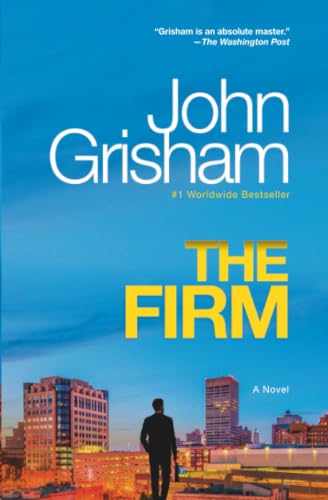
Grisham's breakthrough novel is still the best entry point into legal thrillers, and it still works even if you know the story from the 1993 film. Mitch McDeere is a Harvard Law graduate who takes a job at a Memphis firm that offers more money than any comparable offer in the country. The question the novel spends 400 pages answering is why, and the answer turns out to involve the mob, the FBI, and a set of choices where every exit is also a trap.
What holds up about The Firm is not the plot mechanics but the way Grisham renders the seduction of the legal establishment. The firm does not threaten McDeere. It flatters him, buys him a house, pays his student loans, and makes him feel chosen. The horror is slow. Find The Firm on Amazon.
A Time to Kill by John Grisham
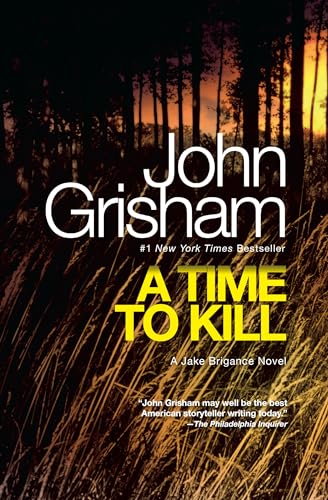
Grisham wrote this one first, three years before The Firm made him famous, and no publisher would take it until his second book sold. It shows in how unwilling the novel is to soften its subject. Carl Lee Hailey shoots the two men who raped his ten-year-old daughter, in a courthouse hallway, in front of witnesses. His lawyer, Jake Brigance, has to build a defense in a small Mississippi town where the jury pool has already decided what a Black father like Hailey deserves before the trial starts.
There is no clever legal trick here, no last-minute evidence. The tension comes entirely from watching Brigance try to make twelve people see past what they already believe. Race, vigilante justice, and the limits of the jury system get no easy resolution. It remains the rawest, angriest book Grisham has written. Find A Time to Kill on Amazon.
Presumed Innocent by Scott Turow
Published two years before The Firm, Turow's novel was the book that established what the genre could do. Rusty Sabich is a prosecutor who investigates the murder of a colleague he was having an affair with. Then he becomes the prime suspect. Turow worked as a federal prosecutor and the procedural texture here is as authentic as the genre gets: the internal politics of a district attorney's office, the way evidence gets shaped before it reaches a courtroom, the specific loneliness of someone who knows exactly how they will be read by a jury.
The ending is still discussed. Find Presumed Innocent on Amazon.
Everywhere That Mary Went by Lisa Scottoline
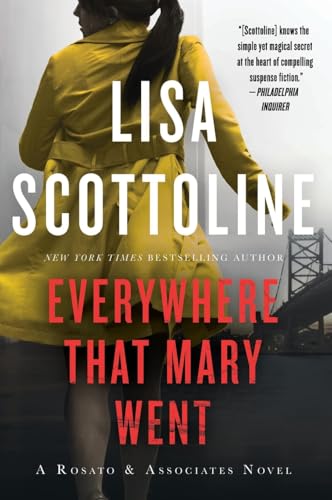
Scottoline's debut introduced Mary DiNunzio, a junior associate at a Philadelphia firm working toward partnership while dealing with the recent death of her husband and the growing certainty that someone is following her. The novel earns its Edgar Award. It captures the particular exhaustion of being a woman in a male-dominated firm, where the harassment is plausibly deniable and the workload is relentless, and it uses that background to give the stalker plot a deeper charge. Mary is not just afraid. She is afraid and ignored, which is worse. Find Everywhere That Mary Went on Amazon.
Primary Justice by William Bernhardt
Bernhardt's first Ben Kincaid novel starts the series that would eventually run to more than twenty books. Kincaid is a junior associate at a Tulsa firm assigned to help draft a routine guardianship agreement. The client ends up dead, and the investigation leads further into the firm than anyone expected. The novel is more intimate than Grisham's work, the stakes more personal, and Kincaid's outsider status inside his own firm gives the corruption plot an added sting. It is also the rare legal thriller that handles child welfare cases without turning them into sentimentality.
The Lincoln Lawyer by Michael Connelly
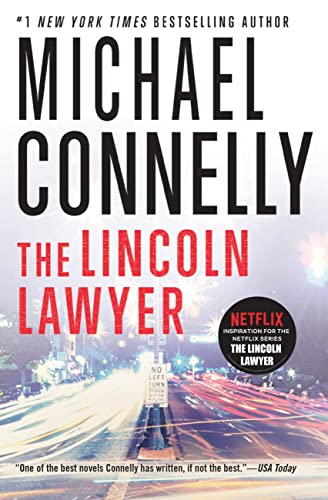
Mickey Haller runs his legal practice from the back seat of a Lincoln Town Car, taking criminal defense cases across Los Angeles. When a wealthy real estate developer hires him to fight assault charges, the case looks like a rare windfall for a lawyer who usually grinds through DUIs and gang cases. Then Haller realises his client is not just guilty, he may have committed a far worse crime, and the rules of attorney-client privilege mean that Haller knows something he cannot use and cannot ignore.
Connelly spent years covering the courts for the Los Angeles Times and the procedural accuracy shows. More usefully, Haller is a morally interesting protagonist: not corrupt, not heroic, just a working lawyer trying to do his job when the job turns out to be contaminated. Find The Lincoln Lawyer on Amazon.
Gone But Not Forgotten by Phillip Margolin
Margolin's thriller works from a genuinely unsettling premise. Women begin disappearing in a small Oregon town, each abduction preceded by a black rose and a note reading "Gone But Not Forgotten." The same thing happened in a New York town years earlier, and the pattern matches cases that should be impossible since the suspected killer died in prison. A Portland attorney and a New York detective start comparing notes and find that the past is not as closed as the official record claims.
Margolin is a former criminal defense attorney and the legal material here is credible, but the real engine of the novel is the question of how a killer's methodology survived the killer himself. It is part procedural, part puzzle, and it takes the solution seriously enough not to cheat.
Degree of Guilt by Richard North Patterson
Patterson's novel opens with a television journalist shooting a famous novelist in a San Francisco hotel room. She claims self-defense. Her attorney is her ex-lover and the father of her son, who does not know he has one. The trial becomes a referendum on the victim's decades of predatory behavior, on what counts as consent in rooms where power is asymmetric, and on how well a defense attorney can serve a client whose full story he cannot be told.
Degree of Guilt was published in 1993 but its central questions feel contemporary. Patterson has a gift for constructing cross-examinations where the legal strategy and the emotional damage land at the same moment. The trial sequences alone make this worth reading.
What New Legal Thriller Should I Read in 2026?
The strongest new legal thriller of 2026 is Judge Stone, co-written by Viola Davis and James Patterson, which follows a Black female judge in rural Alabama presiding over a case that divides her town. Robert Dugoni's Her Cold Justice and James Grippando's Shadow Jury are the two strongest new series entries the same year.
New Legal Thrillers Releasing in 2026
Most legal thriller lists stop at the genre's classics. Here is what is actually new in 2026, so you are not just reading the same ten paperbacks everyone else recommends.
Judge Stone by Viola Davis and James Patterson: published March 9, 2026, this co-written thriller centers on a Black female judge in rural Alabama who presides over a controversial abortion case that divides her small town and pulls in national attention. It is Davis's first fiction credit and Patterson's usual fast, chapter-a-minute pacing.
The Cut Throat Trial by S. J. Fleet: the first legal thriller from the pseudonymous, million-copy bestselling author known as the Secret Barrister, drawing on real courtroom experience the way Turow and Connelly did before.
Her Cold Justice by Robert Dugoni: the latest Keera Duggan novel. Duggan takes over her family's law practice and gets pulled into a double homicide case against a ruthless prosecutor, Anh Tran. Dugoni's courtroom procedurals have built one of the more consistent series in the genre.
Shadow Jury by James Grippando: the newest Jack Swyteck novel, continuing a Miami-based legal series that has run for more than two decades without losing its procedural sharpness.
The Hour of Guilt by David Archer and Oliver Black: book five in the Ben Carter Legal Thriller series. Adam Rivera wakes up in a tent next to a dead girl with no memory of the night before, and the case pulls Ben Carter into questions about his own past. Archer has sold more than four million copies across his thriller series.
| Book | Author | Type | Best For |
|---|---|---|---|
| The Firm | John Grisham | Classic, 1991 | First-time readers of the genre |
| Presumed Innocent | Scott Turow | Classic, 1987 | Readers who want psychological depth |
| Judge Stone | Viola Davis & James Patterson | New, 2026 | Readers who want a current courtroom debate |
| Her Cold Justice | Robert Dugoni | New, 2026, series | Readers who want a series to follow |
| Shadow Jury | James Grippando | New, 2026, series | Readers already following Jack Swyteck |
| The Hour of Guilt | David Archer & Oliver Black | New, 2026, series | Readers who want a fast-paced ongoing series |
Three More Legal Thrillers Worth Your Time
The genre is wider than any single list can cover. These three titles are essential reading if you want to go deeper.
- The Rainmaker by John Grisham: a fresh law school graduate takes a bad-faith insurance case against a company that denied a dying man's claim, and discovers that the legal system protects the powerful by exhausting those who can't afford to fight. Grisham's anger drives the whole book.
- The Associate by John Grisham: a law student is blackmailed into taking a job at the largest firm in New York and tasked with stealing defense secrets from inside it. Tighter and darker than most Grisham.
- Defending Jacob by William Landay: a district attorney's son is accused of murdering a classmate. The father investigates from inside the prosecution system while defending his family from outside it. The ending recalibrates everything that came before.
What Is the Best Legal Thriller Book of All Time?
Scott Turow's Presumed Innocent has the strongest claim to the title. Critics and readers cite it most often as the book that created the modern legal thriller, pairing an authentic inside view of a prosecutor's office with a twist ending still debated decades later. John Grisham's A Time to Kill is the closest rival.
Who Is the Best Legal Thriller Author: Grisham or Turow?
John Grisham is the genre's most commercially successful writer, with more than 300 million books sold worldwide and a new title most years. Scott Turow writes far less often but is usually credited as the author who defined the modern legal thriller with Presumed Innocent in 1987. Grisham moves fast and wide; Turow goes slow and deep. Read both.
What Is the Most Realistic Legal Thriller Ever Written?
Anatomy of a Murder by Robert Traver, the pen name of Michigan Supreme Court Justice John D. Voelker, is the genre's most realistic entry. Voelker based it on a real case he tried as a defense attorney and walks through jury selection, objections, and cross-examination in procedural detail no other legal thriller matches. It predates Grisham and Turow by three decades and still holds up.
Is To Kill a Mockingbird a Legal Thriller?
Not quite, though it shares the genre's DNA. Harper Lee's novel contains some of the most riveting courtroom scenes in American fiction, but it is structured as a coming-of-age story told through a child's eyes, not a plot-driven thriller built around a verdict. Read it for the trial scenes, then move to Turow or Grisham for the genre proper.
What Should I Read After Grisham and Turow?
Once you've cleared Grisham and Turow, move to Michael Connelly's Lincoln Lawyer series for the same courtroom precision with a Los Angeles defense-attorney lens, then Lisa Scottoline for a Philadelphia firm angle with sharper humor, and Richard North Patterson's Degree of Guilt for denser moral stakes. All three worked inside or alongside the legal system before writing about it.
Are Legal Thrillers Still Popular in 2026?
Yes. Grisham, Turow, and Connelly still sell in the millions every year, and 2026 added a genuine new draw: Viola Davis's co-written debut Judge Stone pulled readers who had never picked up a courtroom novel before. Publishers report the genre holding steady against true crime, not losing ground to it.
Where to Start
If you have never read a legal thriller: The Firm. It has the clearest entry point, the fastest pace, and it shows you every move the genre makes before other books use them. If you want something more psychologically complicated, go directly to Presumed Innocent. If you want a series to follow across multiple books, start The Lincoln Lawyer and work through the Haller novels in order.
The genre rewards readers who enjoy watching intelligence applied under pressure. The courtroom is a constrained space with narrow rules, and the best legal thrillers are fundamentally about what happens when someone finds a way to break those rules, or when the rules themselves turn out to be the problem.
Prefer your suspense set inside a hospital instead of a courtroom? Our best medical thriller books guide covers that genre's essential reads, starting with Robin Cook's Coma.
Frequently Asked Questions
What makes a legal thriller different from a crime thriller?
A crime thriller usually follows the investigation. A legal thriller follows what happens after: the trial, the negotiation, the moment a lawyer decides how far they will bend the rules to win. The best examples make the courtroom itself the source of tension, not just the backdrop.
Is John Grisham the best legal thriller writer?
He is the most commercially successful, with more than 300 million books sold. Whether he is the "best" depends on what you want. Grisham writes fast, plot-driven stories built for one sitting. Scott Turow, his closest rival, writes slower and goes deeper into character and moral ambiguity.
What should I read after The Firm?
Presumed Innocent if you want more psychological complexity, The Lincoln Lawyer if you want a series to follow, and The Rainmaker if you want more of Grisham's own anger at how the legal system treats people who can't afford to fight it.
Are legal thrillers realistic about how courts actually work?
The best ones are, because their authors practiced law. Scott Turow was a federal prosecutor, Michael Connelly covered the courts as a journalist, and Phillip Margolin worked as a criminal defense attorney. That experience is why the procedural detail in their books holds up against the genre's weaker, more Hollywood-shaped entries.
What is the best legal thriller for beginners?
The Firm. It has the clearest setup, the fastest pace, and it introduces almost every trope the genre uses before other books borrow them. Readers who finish it and want something slower and more psychological should move to Presumed Innocent next.
Which legal thriller has the best twist ending?
Presumed Innocent is the one most readers point to first. Scott Turow built the entire novel around an ending that recontextualizes everything that came before it, and more than three decades later it is still the twist other legal thrillers get measured against.
Is Presumed Innocent based on a true story?
No. Scott Turow invented the plot, but he drew on his own years as a federal prosecutor in Chicago to make the setting and legal procedure authentic. The book is not a true story, but the world it is set in is real.
What legal thrillers came out in 2026?
Judge Stone by Viola Davis and James Patterson, Her Cold Justice by Robert Dugoni, Shadow Jury by James Grippando, and The Cut Throat Trial by S. J. Fleet are the standout new legal thrillers published in 2026, alongside the genre's established classics.
Is Judge Stone by Viola Davis worth reading?
It is worth reading if you want a current, debate-driven courtroom story rather than another reread of Grisham's 1990s catalog. It marks Davis's first fiction credit, co-written with James Patterson, and centers on a Black female judge in rural Alabama facing a case that divides her town.
What is the most realistic legal thriller ever written?
Anatomy of a Murder by Robert Traver (John D. Voelker). Voelker was a real defense attorney and later a Michigan Supreme Court justice, and he based the novel on a case he tried himself, which is why its courtroom procedure holds up better than almost anything published since.
Is To Kill a Mockingbird considered a legal thriller?
Not strictly. It has some of the genre's best courtroom scenes, but it is a coming-of-age novel told through a child narrator, not a plot-driven thriller built around a verdict. Fans of its trial scenes usually move on to Turow or Grisham for the legal thriller proper.
Your next good book, in your inbox
We only write when we find a book worth your time. Hand-picked recommendations across history, mythology, true crime and more.
Are you an author?
Get your book in front of readers like these, for free.
- Free book listing →Your own book page with an Amazon button
- Author page →Photo, bio and links to your site
- Featured placement →A spot in our best-of lists, from €29
Free tools we recommend
Get free honest reviewsReview exchange on iWrity, free to join
Books You Might Like

It Ends with Us: A Novel
Colleen Hoover

The Seven Husbands of Evelyn Hugo: A Novel
Taylor Jenkins Reid

The Song of Achilles
Madeline Miller
