Best Stoicism Books: Ancient Wisdom for Modern Life
Stoicism is having a moment. Not because it is trendy, but because it works. Stoic philosophy, developed by Zeno and refined over centuries by thinkers like Epictetus, Seneca, and Marcus Aurelius, offers practical tools for handling stress, making better decisions, and building resilience. Unlike self-help books that promise you will feel happy and fulfilled, Stoic philosophy asks: what can you actually control, and how do you respond when life goes wrong. The answer is deeper and more useful than most modern advice.
Why Stoicism Matters Now
The internet offers infinite outrage. The news is full of crises you cannot control. Your job changes without warning. People disappoint you. Stoicism does not promise to fix these problems. Instead, it teaches you to separate what is in your control (your thoughts, effort, integrity) from what is not (other people's opinions, external events, outcomes). This distinction alone transforms how you respond to difficulty. You stop wasting energy on things you cannot change and focus on what you can influence. That is not resignation. It is clarity.
Meditations by Marcus Aurelius
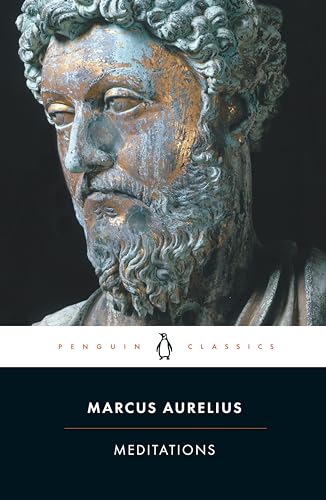
Marcus Aurelius was a Roman Emperor who ruled at the height of Rome's power. Yet his personal journal, written for no one but himself, reads like the confession of a man struggling with the same problems you do. He worries about people's judgments. He fights his own vanity. He reminds himself that he will die, that power is temporary, that kindness is more important than winning arguments. Meditations is not systematic philosophy. It is pure reflection, raw and honest.
The remarkable part is how contemporary it feels. Written nearly 2,000 years ago, Aurelius could be writing about your daily life. This is the single most important Stoic text, and it remains endlessly rereadable. Every time you return to it, you find something new.
A Guide to the Good Life by William Irvine

William Irvine is a philosopher who studied Stoicism and distilled its core principles into practical exercises you can do right now. His book walks you through Stoic techniques for managing desire, handling insults, dealing with loss, and finding peace in a chaotic world. Irvine uses examples from modern life, so you can see how ancient wisdom applies to traffic jams, difficult coworkers, and personal disappointment.
This is the best book for someone who wants to understand and practice Stoicism without having to read the original texts first. Irvine is a clear, warm guide who believes Stoicism actually works and wants to show you how.
Buy A Guide to the Good Life on Amazon
Discourses and Enchiridion by Epictetus
Epictetus was a slave who became one of Stoicism's greatest teachers. His philosophy emerged from personal suffering, which gives it credibility. He taught that freedom is not about external circumstances but about mastering your judgments. Even as a slave, Epictetus was free because he controlled his thoughts and values. When a powerful man broke his leg, Epictetus said calmly, "You will break it." When the man did and Epictetus's leg shattered, he simply said, "I told you so," with no anger or self-pity.
The Enchiridion is a short handbook of Stoic principles. The Discourses are longer conversations where Epictetus teaches students. Both are direct and unforgiving. He does not comfort you. He challenges you to take responsibility for your own mind. If you want Stoicism without softening, Epictetus is your philosopher.
Buy Discourses and Enchiridion on Amazon
The Daily Stoic by Ryan Holiday

Ryan Holiday has become the modern evangelist for Stoic philosophy. The Daily Stoic is a collection of 366 entries, one for each day of the year. Each entry includes a quote from a Stoic philosopher, an explanation of what it means, and a reflection on how to apply it today. Holiday writes in an accessible, energetic style that makes ancient philosophy feel relevant and urgent.
This book works best as a daily practice. Read one entry in the morning, think about it throughout the day, and return to it when you need it. Over the course of a year, you absorb the core of Stoic thought without needing a philosophy degree. Holiday also wrote Ego is the Enemy and Stillness is the Key, which extend Stoic thinking into related domains.
How to Live as a Stoic
The real practice of Stoicism is not reading about it. It is applying it. Notice when you are angry at something you cannot control. Practice responding to criticism without defensiveness. Accept loss without despair. The philosophers offer examples: face setbacks with equanimity, treat others with justice, ask yourself what is truly in your control. Start small. Build the habit. Over weeks and months, you will feel the difference.
The Philosophy for the Real World
Stoicism is not escapism. It does not tell you to ignore problems or withdraw from life. Instead, it teaches engagement with reality as it actually is, not as you wish it to be. It teaches you to do your best and accept the outcome with grace. It teaches virtue, duty, and integrity even when no one is watching and you will never be rewarded for it. That is harder than any modern self-help philosophy promises, and it is also far more worthwhile.
Your next good book, in your inbox
We only write when we find a book worth your time. Hand-picked recommendations across history, mythology, true crime and more.
Are you an author?
Get your book in front of readers like these, for free.
- Free book listing →Your own book page with an Amazon button
- Author page →Photo, bio and links to your site
- Featured placement →A spot in our best-of lists, from €29
Free tools we recommend
Get free honest reviewsReview exchange on iWrity, free to join
Books You Might Like


Man's Search for Meaning
Viktor E. Frankl

How To Win Friends and Influence People
Dale Carnegie

Meditations
Marcus Aurelius