Books Like Sapiens: 12 Big-History Reads for When You Finish Harari (2026)
If you loved Sapiens, you loved the zoom level. Yuval Noah Harari covers 70,000 years in one book and makes you see everyday things (money, religion, the nation) as stories people agreed to believe. Most history books never pull back that far.
The good news: a whole shelf of writers works at the same scale. Some agree with Harari, some argue with him hard, and a few do the big picture better. This list gives you twelve of them, with what each one does well and who it suits.
Quick answer: read Guns, Germs, and Steel next if you want the book that inspired a generation of big-history writing, and The Dawn of Everything if you want a direct challenge to Harari's story of early humans.
| Book | Author | Why Sapiens readers like it | Difficulty |
|---|---|---|---|
| Guns, Germs, and Steel | Jared Diamond | Explains why some societies conquered others | Medium |
| The Dawn of Everything | David Graeber and David Wengrow | Argues against the Sapiens story of early farming | Hard |
| Homo Deus | Yuval Noah Harari | Harari's own sequel about the future | Easy |
| A Short History of Nearly Everything | Bill Bryson | Same curiosity, applied to science | Easy |
| The WEIRDest People in the World | Joseph Henrich | How culture rewired Western minds | Hard |
| Humankind | Rutger Bregman | An optimistic answer to human nature | Easy |
What Makes a Book Feel Like Sapiens?
Three things. First, scale: the book covers thousands of years, not one war or one king. Second, a big claim you can argue with, like Harari's line that farming was history's biggest fraud. Third, plain writing. Harari writes for a curious reader, not for other professors.
Every pick below hits at least two of those three. The list starts with the closest matches and moves toward books that take one Sapiens idea and dig much deeper.
1. Guns, Germs, and Steel by Jared Diamond
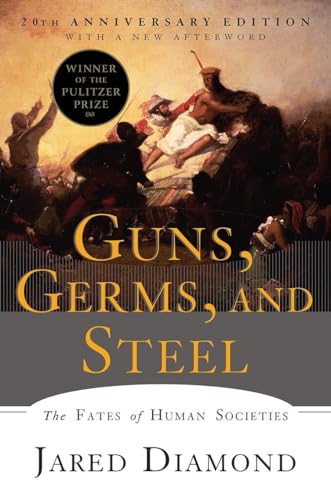
Diamond asks a simple question a man in New Guinea put to him: why did Europeans end up with so much "cargo" and his people with so little? His answer is geography. Crops, animals that could be tamed, and the east-west shape of Eurasia gave some societies a head start that had nothing to do with brains or courage.
Harari openly builds on this book, so it reads like the missing first chapter of Sapiens. Critics have since poked holes in parts of it, but it remains the book that made big history a bestseller genre. Find Guns, Germs, and Steel on Amazon.
2. The Dawn of Everything by David Graeber and David Wengrow
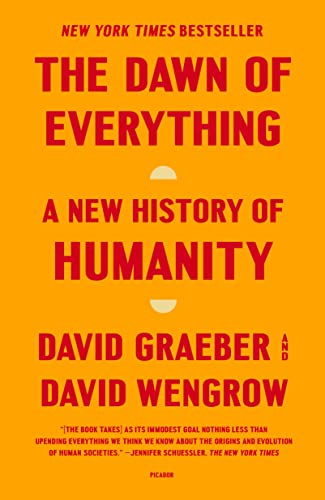
An anthropologist and an archaeologist take aim at the story Sapiens tells: that early humans lived in small equal bands, then farming locked everyone into kings and inequality. Graeber and Wengrow show cities without rulers, people who switched political systems with the seasons, and societies that tried farming and walked away from it.
It is long and it argues a lot, but if you want to test what you learned in Sapiens, no other book pushes back as hard. Find The Dawn of Everything on Amazon.
3. Homo Deus by Yuval Noah Harari

Harari's sequel turns from the past to the future. Once humans beat famine, plague, and war, he asks, what will we chase next? His answer involves immortality, happiness on demand, and algorithms that know you better than you know yourself.
If you want more of Harari's voice before branching out, start here. It is lighter on history and heavier on ideas. Find Homo Deus on Amazon.
4. A Short History of Nearly Everything by Bill Bryson

Bryson does for science what Harari does for history. He starts with the Big Bang and works his way to the first humans, stopping to tell you about the odd, stubborn people who figured each piece out.
It is the funniest book on this list and the easiest to pick up and put down. A good choice if the Sapiens chapters on biology and evolution were your favorite parts. Find A Short History of Nearly Everything on Amazon.
5. The Silk Roads by Peter Frankopan

Frankopan moves the center of world history from Europe to the trade routes running through Persia, Central Asia, and the Middle East. Religions, plagues, empires, and oil all travel along these roads.
It covers 2,500 years, so it has the Sapiens sweep, but it tells the story through trade and power instead of biology. Find The Silk Roads on Amazon.
6. The WEIRDest People in the World by Joseph Henrich
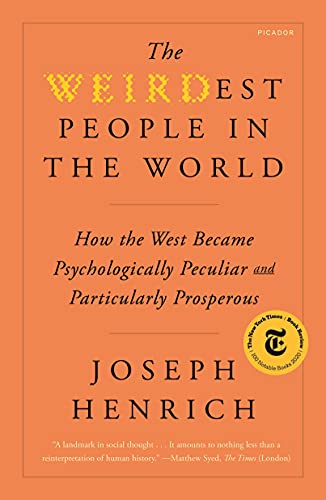
WEIRD stands for Western, Educated, Industrialized, Rich, and Democratic. Henrich argues that the medieval church's ban on cousin marriage broke up big family clans in Europe and slowly changed how Europeans think: more individual, more rule-following, more guilt-driven.
It is the most surprising book here. Harari says culture shapes us; Henrich shows the mechanism in data. Find The WEIRDest People in the World on Amazon.
7. Origin Story by David Christian
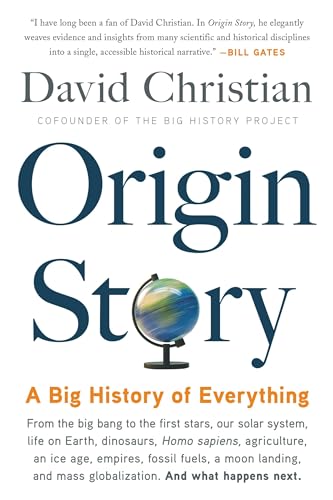
David Christian invented the "Big History" course that Bill Gates later funded. This book is that course in print: 13.8 billion years from the Big Bang to the internet, told as one story of growing complexity.
It goes even wider than Sapiens. Humans arrive halfway through, which puts our whole history in perspective. Find Origin Story on Amazon.
8. Humankind by Rutger Bregman
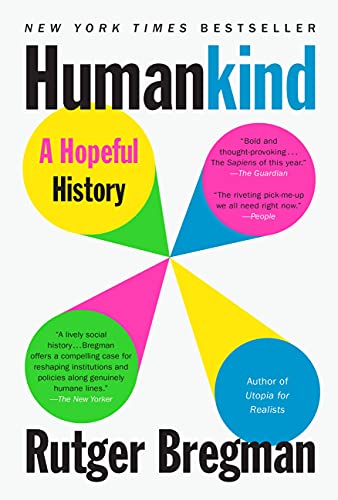
Bregman takes the darker view of human nature that runs through many big-history books and argues the opposite: most people are decent most of the time. He revisits famous experiments and stories, including the real-life Lord of the Flies, and finds the cruel versions were often wrong.
Read it after Sapiens if Harari left you a bit gloomy about our species. Find Humankind on Amazon.
9. Collapse by Jared Diamond

Diamond's follow-up asks why some societies fell apart: Easter Island, the Maya, the Norse in Greenland. He lists the usual causes, from damaged environments to hostile neighbors to leaders who ignore warnings.
It is the natural pick if the Sapiens chapters on farming and its costs stuck with you. Find Collapse on Amazon.
10. Why the West Rules, for Now by Ian Morris
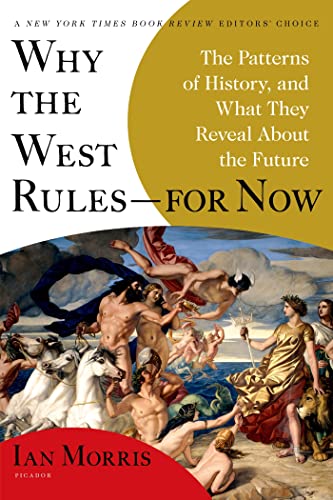
Morris builds a points system for social development and tracks East and West over 15,000 years. Geography sets the stage, he argues, but each new technology changes which geography matters.
It is a direct rival to Guns, Germs, and Steel, with more numbers and a sharper ending about the future of China and the West. Find Why the West Rules, for Now on Amazon.
11. The Secret of Our Success by Joseph Henrich
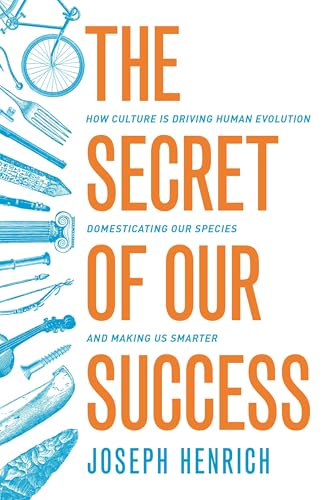
Before WEIRD, Henrich wrote this book about why humans beat every other species. His answer is not raw intelligence but culture: we copy each other, pile up know-how over generations, and our bodies evolved around that.
It expands the Cognitive Revolution idea from early Sapiens into a full book with far more evidence. Find The Secret of Our Success on Amazon.
12. Nexus by Yuval Noah Harari
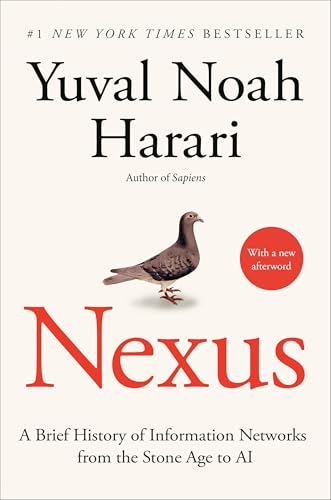
Harari's newest big book is a history of information networks, from stone tablets and holy books to social media and AI. He asks why more information has not made people wiser.
If you liked how Sapiens explained shared myths, Nexus is the closest thing to a direct sequel on that idea. Find Nexus on Amazon.
Start With Sapiens Itself (or Reread It)
If you borrowed Sapiens or listened to it, the 10th anniversary edition is worth owning. It is the book most of these writers are answering. Find Sapiens on Amazon.
Want something closer to home? Browse the Skriuwer catalogue for shorter history books on single empires, myths, and hidden stories.
Frequently Asked Questions
What should I read after Sapiens?
Read Guns, Germs, and Steel by Jared Diamond first. Harari built on it and it fills in why some societies got ahead. Then try The Dawn of Everything if you want a book that disagrees with Sapiens.
Is there a book that disagrees with Sapiens?
Yes. The Dawn of Everything by David Graeber and David Wengrow argues that early humans did not slide into inequality after farming but chose between many political systems. Humankind by Rutger Bregman also disputes the darker view of human nature.
Is Homo Deus as good as Sapiens?
Most readers rate Sapiens higher because it has more history. Homo Deus is a book of ideas about the future. Read it if you like Harari's thinking more than his history.
Which book like Sapiens is easiest to read?
A Short History of Nearly Everything by Bill Bryson and Humankind by Rutger Bregman are the easiest. Both are funny, plainly written, and work in short sittings.
Are there books like Sapiens for teenagers?
Bill Bryson's A Short History of Nearly Everything works well for teens. Harari also wrote Unstoppable Us, a children's version of Sapiens for ages 10 and up.
Your next good book, in your inbox
We only write when we find a book worth your time. Hand-picked recommendations across history, mythology, true crime and more.
Are you an author?
Get your book in front of readers like these, for free.
- Free book listing →Your own book page with an Amazon button
- Author page →Photo, bio and links to your site
- Featured placement →A spot in our best-of lists, from €29
Free tools we recommend
Get free honest reviewsReview exchange on iWrity, free to join
Books You Might Like

Sapiens: A Brief History of Humankind
Yuval Noah Harari
The Last Kingdom (The Saxon Stories, Book 1)
Bernard Cornwell

Meditations
Marcus Aurelius

The Hiding Place
Elizabeth Sherrill, John Sherrill Corrie ten Boom