
The History of Christianity: From Birth to Medieval Influence
This book contains information most people never bother to find.
A note from Skriuwer
Our Amazon publishing account has been unexpectedly suspended. We disagree with this decision and are currently pursuing the matter through formal legal channels. We are actively working to resolve the situation and will keep you informed as things develop. Thank you for your support.
About this book
Christianity began as a small Jewish sect in Roman-occupied Palestine and became the dominant religion of Western civilization within three centuries. That transformation is one of the most consequential and most misunderstood events in human history.
This book covers the historical Jesus and the communities that formed around his teaching, Paul's role in shaping the theology that became Christianity, the early persecutions and the dramatic reversal under Constantine, the councils that defined orthodoxy and the groups they condemned, the rise of the medieval church as a political and economic power, the Crusades, the Inquisition, the relationship between Christianity and the classical learning it partially preserved and partially suppressed, and the beginnings of the Reformation.
This is history, not theology. It treats Christianity the way any significant historical institution deserves to be treated: seriously, critically, and with attention to who benefited and who paid the price.
Two thousand years of the most influential institution in Western history. This book gives it a clear account.
TABLE OF CONTENTS
CHAPTER 1: INTRODUCTION – WHY STUDY THE HISTORY OF CHRISTIANITY?
- The scope and purpose of studying Christian history
- How Christianity shaped cultures and societies
- Key themes and overview of book structureÂ
CHAPTER 2: JEWISH ROOTS AND THE GRECO-ROMAN WORLD
- Influence of Second Temple Judaism on early Christians
- Role of Hellenism in shaping religious thought
- How Roman authority and infrastructure affected Christian growthÂ
CHAPTER 3: THE LIFE OF JESUS
- Historical context and sources for Jesus’ life
- Key teachings and parables of Jesus
- Events leading to the crucifixion and resurrectionÂ
CHAPTER 4: THE APOSTOLIC AGE AND THE SPREAD OF THE GOSPEL
- Formation of early Christian communities
- Role of the apostles in preaching and organizing churches
- Key challenges, including Jewish-Gentile relationsÂ
CHAPTER 5: EARLY CHURCH PERSECUTION AND MARTYRDOM
- Reasons for Roman suspicion and hostility toward Christians
- Stories of martyrdom and their impact on Christian identity
- Significance of persecution in strengthening early faithÂ
CHAPTER 6: EARLY CHURCH FATHERS AND DOCTRINAL DEBATES
- Contributions of figures like Ignatius, Irenaeus, and Tertullian
- Major heresies and how the Church responded
- Development of core theological beliefsÂ
CHAPTER 7: FROM PERSECUTION TO POWER – THE EDICT OF MILAN AND IMPERIAL CHRISTIANITY
- Constantine’s rise and the granting of religious tolerance
- Effects of imperial favor on Christian institutions
- Transformation of Church-state relations Â
CHAPTER 8: COUNCILS OF NICAEA, CONSTANTINOPLE, AND BEYOND
- Key doctrinal issues regarding Christ’s divinity
- Defining the nature of the Trinity
- Long-term influence of ecumenical councils Â
CHAPTER 9: EXPANSION OF CHRISTIANITY OUTSIDE THE ROMAN EMPIRE
- Spread of the faith to regions like Persia and Ethiopia
- Cultural adaptations and missionary strategies
- Interactions with local religious traditionsÂ
CHAPTER 10: RISE OF MONASTICISM AND CHRISTIAN SCHOLARSHIP
- Origins of early monastic communities in Egypt and Syria
- Key figures like Anthony the Great and Benedict of Nursia
- Preservation of learning and influence of monasteries on societyÂ
CHAPTER 11: THE GREAT SCHISM – EAST AND WEST
- Differences in theology, liturgy, and authority
- Tensions leading to the final break in 1054
- Lasting implications for Eastern Orthodoxy and Roman Catholicism
CHAPTER 12: THE MEDIEVAL CHURCH IN THE WEST
- Structure and power of the papacy
- Reform movements and their leaders
- Relationships between Church and emerging European states
CHAPTER 13: THE CRUSADES
- Religious motivations and political factors
- Major campaigns and key historical figures
- Impact on Christian-Muslim relations and medieval society
CHAPTER 14: SCHOLASTICISM AND MEDIEVAL THEOLOGY
- Rise of universities and systematic theology
- Influential thinkers like Anselm and Thomas Aquinas
- Efforts to reconcile faith with reason
CHAPTER 15: THE RENAISSANCE AND PRELUDE TO REFORMATION
- Humanism and the revival of classical learning
- Critiques of Church practices paving the way for reform
- Growing tension between traditional authority and new ideas
CHAPTER 16: THE PROTESTANT REFORMATION
- Key figures such as Martin Luther, Ulrich Zwingli, and John Calvin
- Doctrinal disputes over salvation, scripture, and sacraments
- Effects on Church unity and European political order
CHAPTER 17: THE CATHOLIC COUNTER-REFORMATION
- Council of Trent and doctrinal clarifications
- Role of new religious orders like the Jesuits
- Reforms to address abuses and renew Catholic spirituality
CHAPTER 18: WARS OF RELIGION AND THE GLOBAL SPREAD OF CHRISTIANITY
- Conflicts sparked by Reformation divisions in Europe
- Growth of Christianity in the Americas, Africa, and Asia
- Missionary endeavors and cultural exchanges
CHAPTER 19: THE ENLIGHTENMENT AND ITS EFFECTS ON CHRISTIANITY
- Challenges to religious authority and tradition
- Rise of rationalism and deism
- Shift in theological and philosophical perspectives
CHAPTER 20: CONCLUSION – THE LASTING LEGACY OF EARLY AND MEDIEVAL CHRISTIANITY
- Reflections on major developments and turning points
- Enduring influence on modern religious and cultural landscapes
- Connecting the historical past to continued Christian diversity
Product Details
Dimensions: 6 × 9 inches / 15.24 x 22.86 cm
Cover: Paperback
Books like this

Atomic Habits: An Easy & Proven Way to Build Good Habits & Break Bad Ones
James Clear
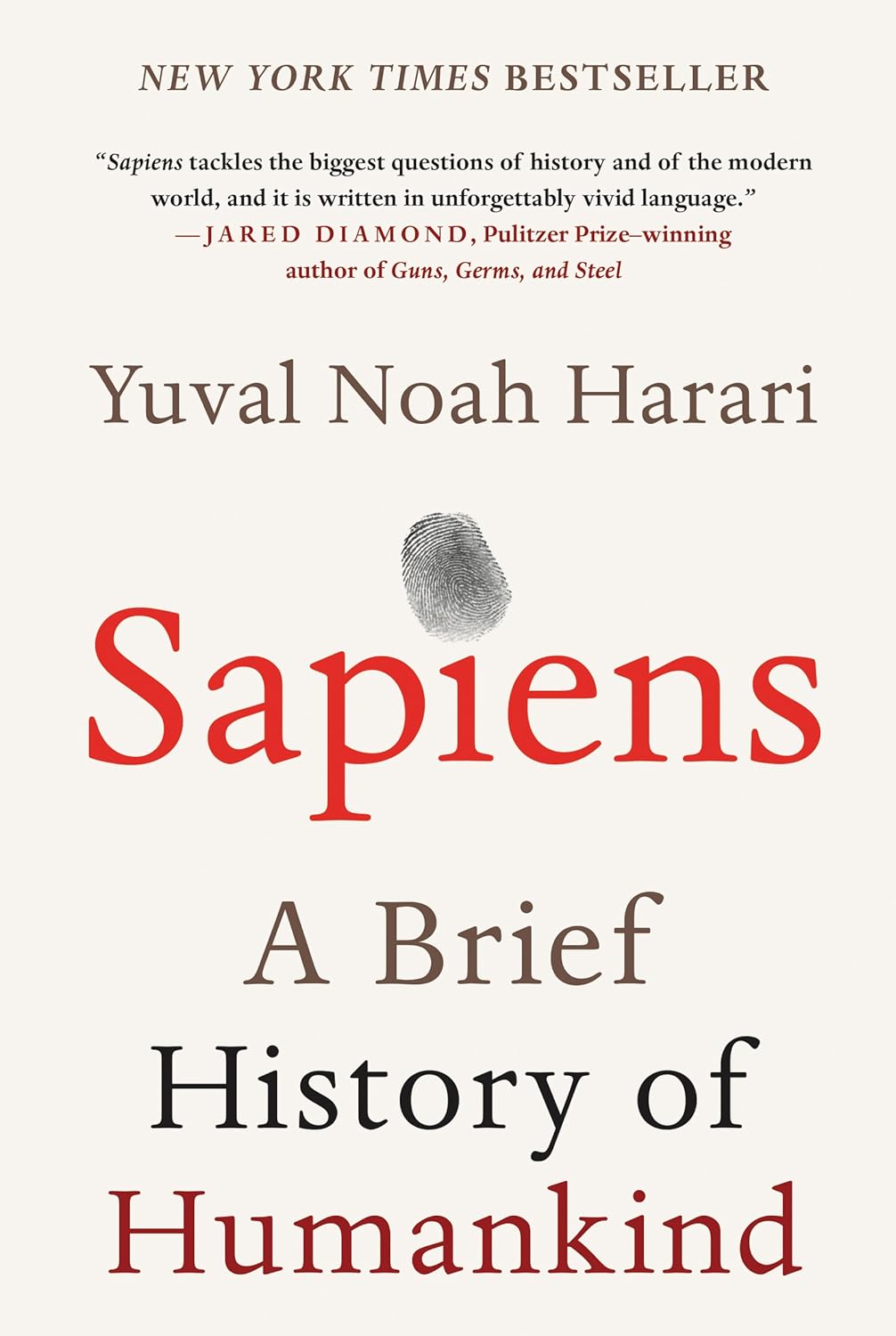
Sapiens: A Brief History of Humankind
Yuval Noah Harari
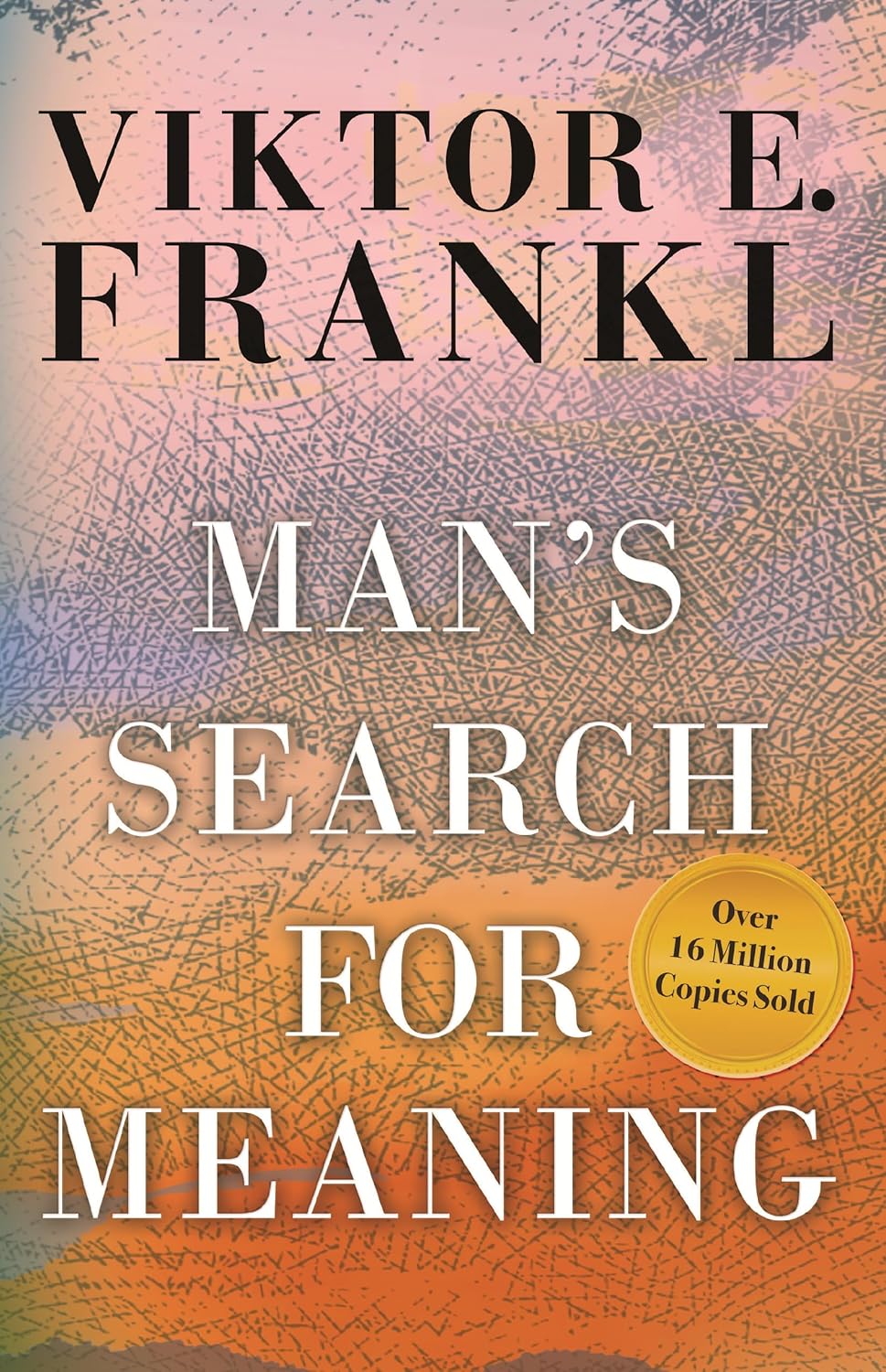
Man's Search for Meaning
Viktor E. Frankl
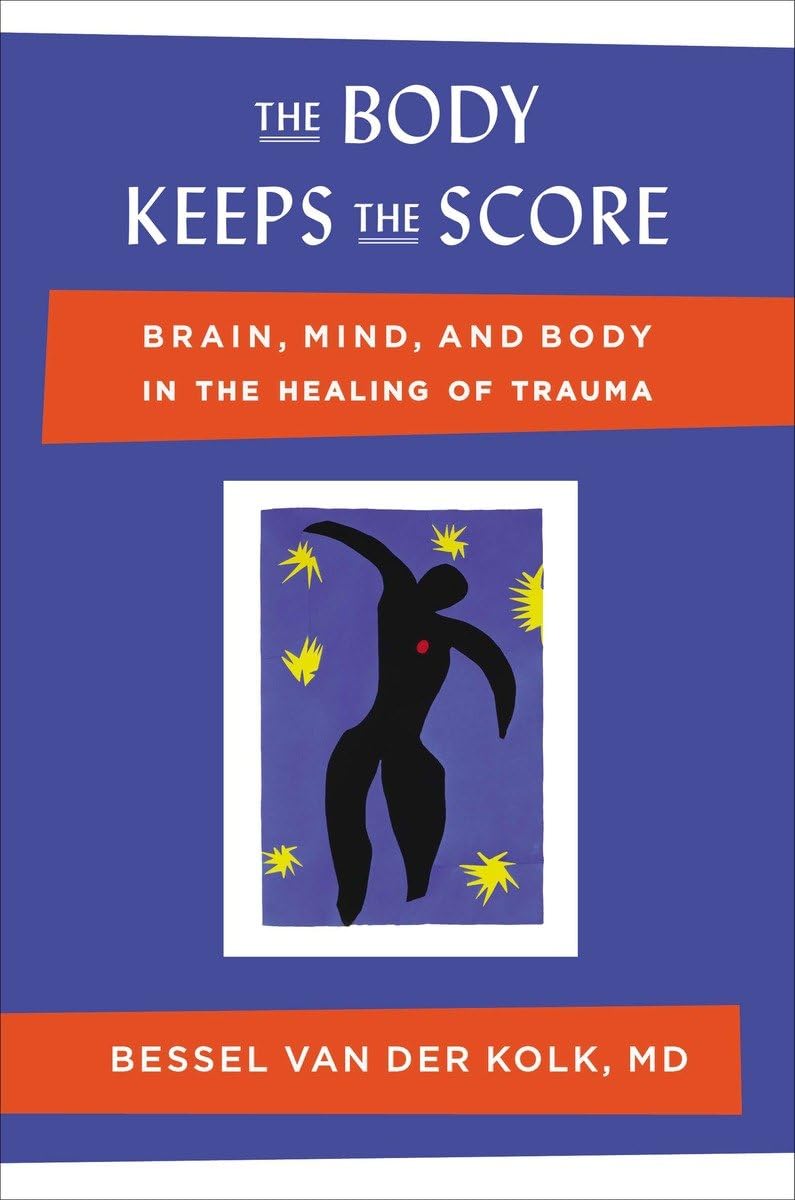
The Body Keeps the Score
M.D. Bessel van der Kolk
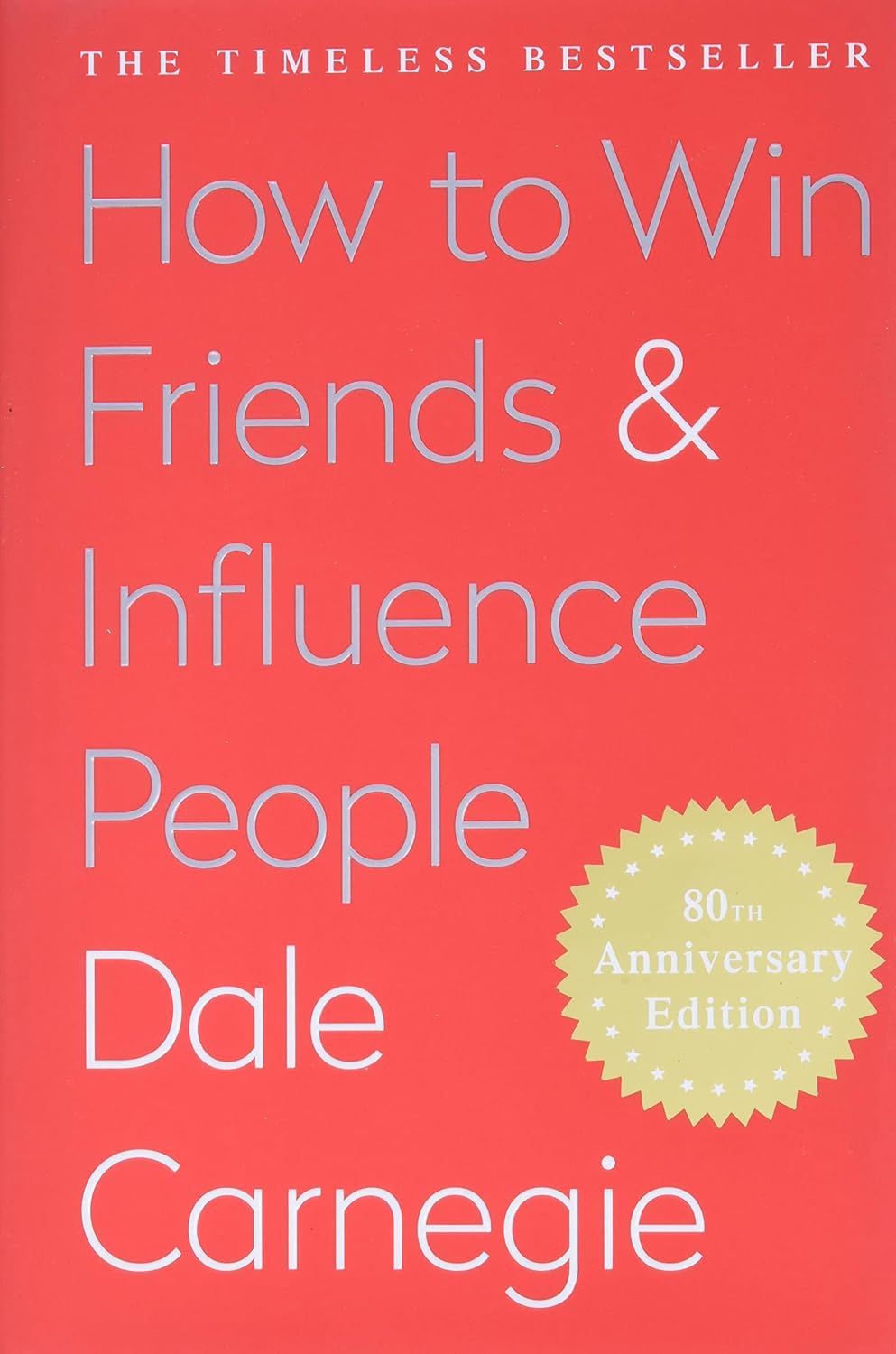
How To Win Friends and Influence People
Dale Carnegie