
The History of Google: Innovation Shaping Our Connected World
A note from Skriuwer
Our Amazon publishing account has been unexpectedly suspended. We disagree with this decision and are currently pursuing the matter through formal legal channels. We are actively working to resolve the situation and will keep you informed as things develop. Thank you for your support.
About this book
Google started as a PhD project in a Stanford dorm room in 1998. Today it processes more than 8 billion searches a day and controls more of the world's information infrastructure than any other company in history. How that happened in under 30 years is one of the most consequential business stories ever told.
This book traces Google's evolution from the PageRank algorithm and the early days of a company operating out of a garage, through the IPO, the acquisitions that built the empire, Android, YouTube, Google Maps, Gmail, and the advertising machine that turned free services into the most profitable business model of the digital age. It also covers the antitrust battles, privacy controversies, and the growing power of a company that many governments now consider a threat to fair competition.
You will understand how Google reshaped not just the internet but how human beings find information, make decisions, and relate to knowledge. The story of Google is the story of the 21st century so far.
One company. Eight billion searches a day. This is how they got there.
TABLE OF CONTENTS
CHAPTER 1: EARLY INFLUENCES AND THE PRE-GOOGLE LANDSCAPEÂ
- How early search engines like Archie and AltaVista worked
- Challenges people faced when finding information online
- Factors that paved the way for major innovation in search
CHAPTER 2: LARRY PAGE, SERGEY BRIN, AND THE BIRTH OF THE BACKRUB PROJECT (1995–1996)
- How Larry and Sergey met at Stanford
- First ideas behind the BackRub project
- New ranking methods that set their research apart
CHAPTER 3: STANFORD AND THE GENESIS OF THE GOOGLE SEARCH ENGINE (1996–1998)
- Growing demand on Stanford’s servers
- PageRank and its significance for better search results
- Early support from mentors and fellow students
CHAPTER 4: THE OFFICIAL FOUNDING OF GOOGLE AND EARLY CHALLENGES (1998–1999)
- Incorporation of Google in a Menlo Park garage
- Securing first investments and hardware
- Transition from “BackRub†to “Googleâ€
CHAPTER 5: GOOGLE’S FIRST OFFICE, TEAM EXPANSION, AND SEED FUNDING (1999–2000)
- Moving from a garage to a real office
- Hiring new engineers and shaping a company culture
- How seed funding supported growth and innovation
CHAPTER 6: EARLY SEARCH INNOVATIONS AND THE EMERGENCE OF ADWORDS (2000–2001)
- Refining the search engine to outpace competitors
- Introduction of the AdWords advertising platform
- Growing importance of paid search in Google’s revenue
CHAPTER 7: ERIC SCHMIDT JOINS GOOGLE AND THE GROWTH OF THE COMPANY (2001–2002)
- Larry and Sergey’s decision to bring in experienced leadership
- Eric Schmidt’s background and management style
- Balancing fast innovation with organizational structure
CHAPTER 8: FROM STARTUP TO GLOBAL PLAYER: INFRASTRUCTURE AND DATA CENTERS (2002–2003)
- Building large-scale server networks
- Unique approaches to data handling and speed
- Setting the stage for Google’s massive computing power
CHAPTER 9: THE EVOLUTION OF SEARCH FEATURES AND LANGUAGE TOOLS (2003–2004)
- Expanding search to images, news, and other formats
- Language localization and global reach
- User-friendly features like “Did you mean?â€
CHAPTER 10: EARLY PRODUCTS BEYOND SEARCH: THE BEGINNINGS OF GMAIL AND MORE (2004–2005)
- Origins of Gmail and its large storage offer
- The culture of “20% time†leading to new ideas
- Importance of beta testing and user feedback
CHAPTER 11: CULTURAL SHIFTS AND “DON’T BE EVIL†IN THE EARLY YEARS (2005–2006)
- Meaning and use of the “Don’t Be Evil†motto
- Early internal debates on ethical decisions
- Managing public perception while growing rapidly
CHAPTER 12: ORGANIZING THE WORLD’S INFORMATION: GOOGLE BOOKS, MAPS, AND SCHOLAR (2004–2006)
- Digitizing library collections through Google Books
- Developing Google Maps for directions and local search
- Creating Google Scholar to help students and researchers
CHAPTER 13: EXPANSION INTO ONLINE ADVERTISING AND STRATEGIC ACQUISITIONS (2002–2006)
- Refining AdWords and exploring new ad formats
- Key acquisitions like DoubleClick
- How these strategies boosted Google’s market presence
CHAPTER 14: THE IPO AND THE EFFECTS ON COMPANY CULTURE (2004–2006)
- Process leading up to the public offering
- Immediate impact on employees and investors
- Balancing startup values with shareholder expectations
CHAPTER 15: COMPETITION AND EARLY LAWSUITS: DEFENDING THE GOOGLE MODEL (2002–2007)
- Challenges from Yahoo! and Microsoft
- Legal issues surrounding search results and book scanning
- How court cases influenced Google’s public image
CHAPTER 16: THE GROWING GLOBAL FOOTPRINT: INTERNATIONAL OFFICES AND LOCALIZATION (2003–2007)
- Setting up branches in Europe and Asia
- Adapting products for various cultures and languages
- Navigating different regulations in foreign markets
CHAPTER 17: THE RISE OF YOUTUBE AND VIDEO SEARCH (2005–2007)
- Importance of video content on the web
- Struggles of Google Video against rival platforms
- Decision to acquire YouTube and expand into multimedia
CHAPTER 18: EXPERIMENTS, LABS, AND THE COMPANY’S EARLY ‘BETA’ APPROACH (1998–2007)
- Role of Google Labs in fostering innovation
- Notable experiments and their outcomes
- Maintaining a flexible mindset for product testing
CHAPTER 19: SHAPING THE WEB: INFLUENCE ON SEO, WEBMASTERS, AND THE ECOSYSTEM (1998–2007)
- Google’s guidelines for webmasters
- Rise of SEO and the battle against spam
- Effects on the overall online landscape
CHAPTER 20: PAVING THE WAY FOR THE FUTURE: REFLECTIONS ON GOOGLE’S EARLY ERA (PRE-2008)
- Lessons learned from Google’s early years
- Key milestones that shaped the company’s identity
- Setting a foundation for continued growth and change
Product Details
Dimensions: 6 × 9 inches / 15.24 x 22.86 cm
Cover: Paperback
Books like this
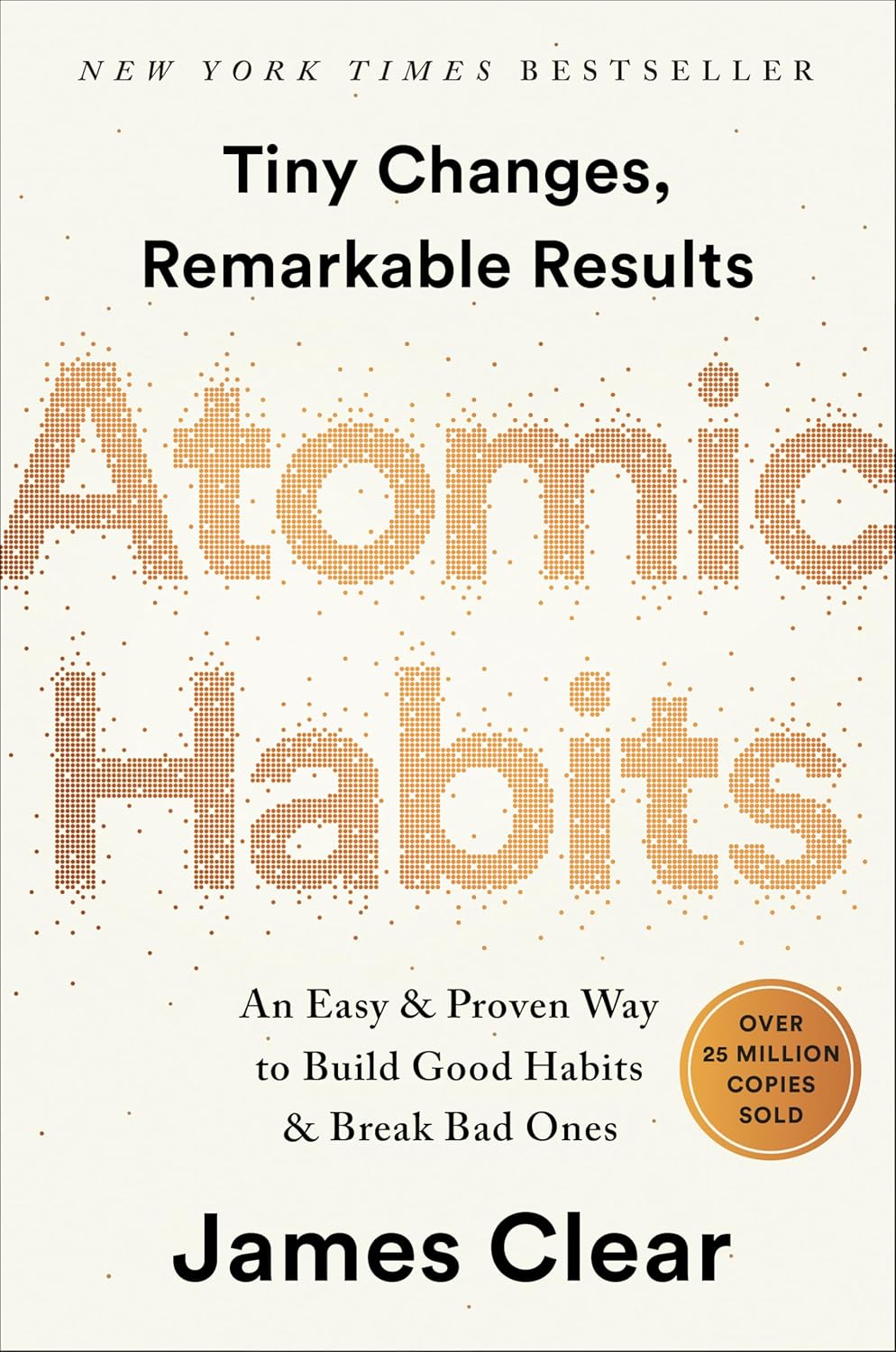
Atomic Habits: An Easy & Proven Way to Build Good Habits & Break Bad Ones
James Clear
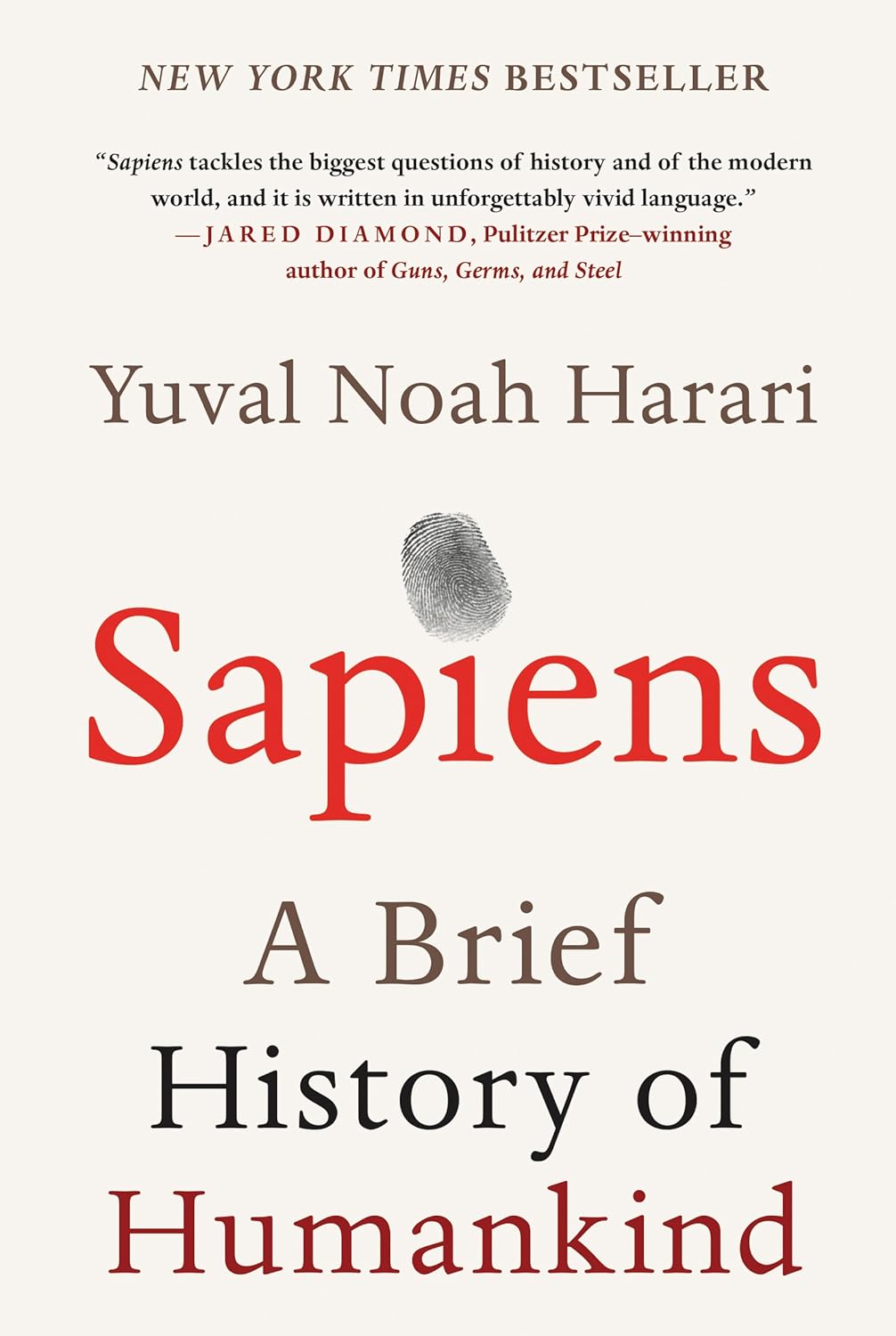
Sapiens: A Brief History of Humankind
Yuval Noah Harari
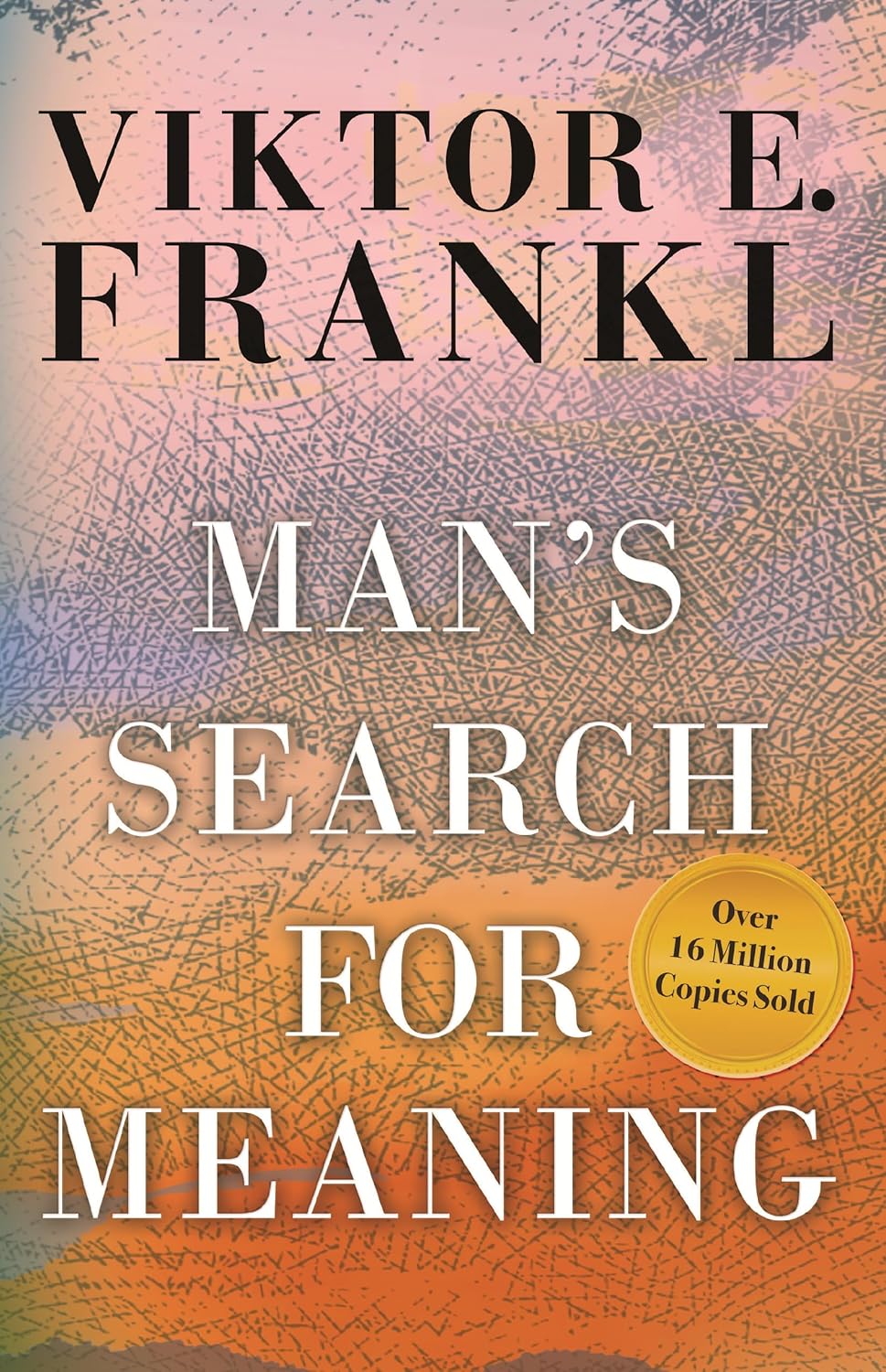
Man's Search for Meaning
Viktor E. Frankl
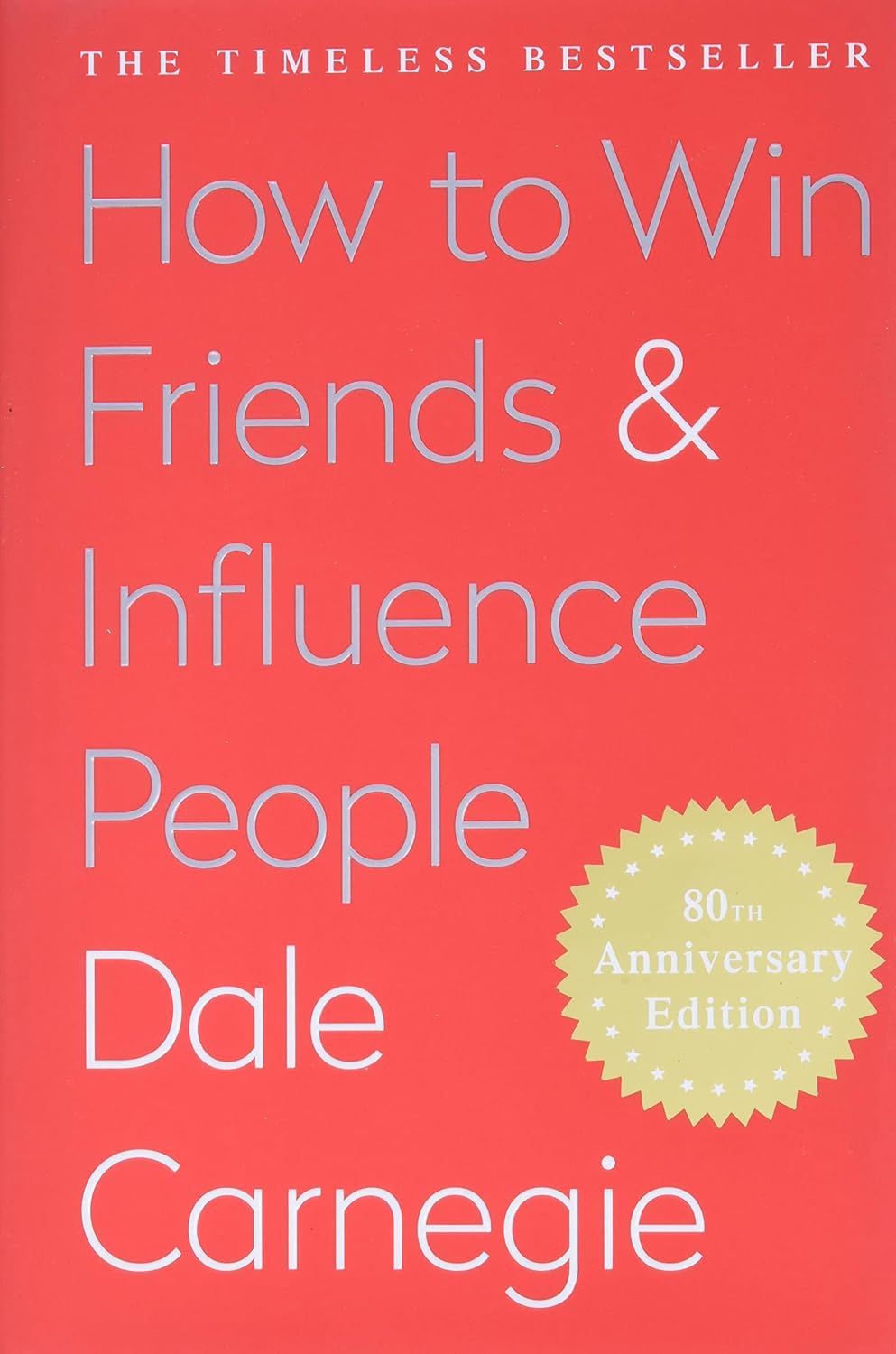
How To Win Friends and Influence People
Dale Carnegie

The Last Kingdom (The Saxon Stories, Book 1)
Bernard Cornwell