
The History of Japan: A Journey Through Time
Your birth month influences your personality more than you think.
A note from Skriuwer
Our Amazon publishing account has been unexpectedly suspended. We disagree with this decision and are currently pursuing the matter through formal legal channels. We are actively working to resolve the situation and will keep you informed as things develop. Thank you for your support.
About this book
Japan spent centuries in deliberate isolation, developing one of the most distinctive civilizations on earth, and then in the space of a few decades transformed itself into a modern industrial power, built a brutal empire, suffered atomic destruction, and rebuilt again into one of the world's most influential economies. No other nation's modern history is as compressed or as dramatic.
You'll trace the ancient clans and the imperial court, the rise of the samurai class and the feudal era, the Tokugawa shogunate's 250 years of enforced peace, the Meiji Restoration that launched Japan into modernity at extraordinary speed, the militarism of the early 20th century, World War 2 and its aftermath, and the economic miracle that made Japan a global cultural and industrial force.
What you gain is a real understanding of why Japan is so uniquely itself: the mix of tradition and modernity, the relationship with history that is both obsessive and selective, and the reasons its culture has proven so internationally magnetic.
Few countries' stories are as worth knowing as Japan's. This book is the place to start.
TABLE OF CONTENTS
CHAPTER 1: INTRODUCTION TO JAPAN’S EARLY BEGINNINGS
Earliest Human Presence and Ice Age Land Bridges
Geography of the Archipelago and Climate Changes
Foundations for the Jomon Period
CHAPTER 2: THE JOMON PERIOD
Cord-Marked Pottery and Hunter-Gatherer Societies
Pit Dwellings, Diet, and Spiritual Dogu Figurines
Regional Variations and Transition Toward the Yayoi Era
CHAPTER 3: THE YAYOI PERIOD
Introduction of Wet-Rice Agriculture
Bronze and Iron Technologies, Social Stratification
Exchange Networks and Rise of Early Clans
CHAPTER 4: THE KOFUN PERIOD
Massive Keyhole-Shaped Tombs (Kofun)
Consolidation of Power by Warrior Elites
Emergence of Yamato Polity and Imperial Lineage
CHAPTER 5: THE ASUKA PERIOD
Introduction and Spread of Buddhism
Soga Clan Influence, Prince Shotoku’s Reforms
Adoption of Chinese-Style Government and Diplomatic Ties
CHAPTER 6: THE NARA PERIOD
First Permanent Capital at HeijÅ-kyÅ (Nara)
Codification of RitsuryÅ Legal Systems
Buddhism as State Religion and Cultural Flowering
CHAPTER 7: THE HEIAN PERIOD
Imperial Court Culture, Aristocratic Power
Literary Achievements – The Tale of Genji and Poetic Innovations
Rise of Fujiwara Regency and Courtly Aesthetics
CHAPTER 8: RISE OF THE SAMURAI – KAMAKURA PERIOD
Minamoto no Yoritomo’s Shogunate
Hojo Regents and Legal Innovations
Mongol Invasions and Defense of Japan
CHAPTER 9: THE MUROMACHI PERIOD AND ASHIKAGA SHOGUNATE
Northern and Southern Courts, Cultural Flourishing (Zen, Noh)
Onin War and Rise of Daimyo Autonomy
Trade with China and Evolving Power Structures
CHAPTER 10: THE SENGOKU PERIOD AND WARRING CLANS
Fragmented Domains, Constant Civil War
Oda Nobunaga, Toyotomi Hideyoshi, and Unification Efforts
Samurai Culture and Rapid Shifts in Alliances
CHAPTER 11: THE AZUCHI–MOMOYAMA PERIOD
Nobunaga’s Azuchi Castle, Hideyoshi’s Momoyama Castle
Final Stages of Unification, Sword Hunts
Opulent Art and Architecture, Flourishing Tea Ceremony
CHAPTER 12: EDO PERIOD, PART 1 – EARLY SHOGUNATE GOVERNANCE
Tokugawa Ieyasu’s Rise as Shogun
Bakuhan System (Centralized Feudalism), Sankin-KÅtai
Social Hierarchies and Rigid Class Structures
CHAPTER 13: EDO PERIOD, PART 2 – SOCIETY, ECONOMY, AND CULTURE
Urban Growth, ChÅnin (Townspeople) Culture
Kabuki, Ukiyo-e, Haiku – Artistic Innovations
Increasing Economic Complexity, Foreign Intrigues
CHAPTER 14: THE MEIJI RESTORATION, PART 1
Overthrow of Tokugawa, Emperor Meiji’s Return to Power
Rapid Westernization, Modern Army and Industry
Wars with China and Russia, Birth of Empire
CHAPTER 15: THE MEIJI RESTORATION, PART 2
Constitutional Monarchy, Political Parties Emergence
Industrial Boom, Social Reforms, and Imperial Ambitions
Climax of Meiji Era, War Responsibilities, and Transition to TaishÅ
CHAPTER 16: THE TAISHŌ PERIOD
TaishÅ Democracy, Rise of Party Cabinets
World War I, Postwar Economic Fluctuations
Cultural and Social Changes, Shift Towards Showa Militarism
CHAPTER 17: EARLY SHOWA PERIOD
Emperor Hirohito’s Ascension, Great Depression
Manchurian Incident, Rise of Militarism, Sino-Japanese War
Pacific War, Allied Occupation, Japan’s Defeat in 1945
CHAPTER 18: MID-SHOWA PERIOD
Postwar Occupation Reforms, New Constitution
Economic Recovery, Foundations of the ‘Miracle’
Rearmament Debates, U.S. Alliance, and Social Shifts
CHAPTER 19: LATE SHOWA PERIOD
High-Speed Economic Growth, Bubble Economy
Trade Frictions, Consumer Society, Political Scandals
Passing of Emperor Hirohito and End of Showa Era
CHAPTER 20: CONCLUSION AND REFLECTIONS ON HISTORICAL JAPAN
Major Themes Across Eras: Adaptation, Power Shifts, Recovery
Legacies of War, Modernization, and Cultural Continuities
Ongoing Influence of Historical Patterns Beyond Showa Â
Product Details
Dimensions: 6 × 9 inches / 15.24 x 22.86 cm
Cover: Paperback
Books like this
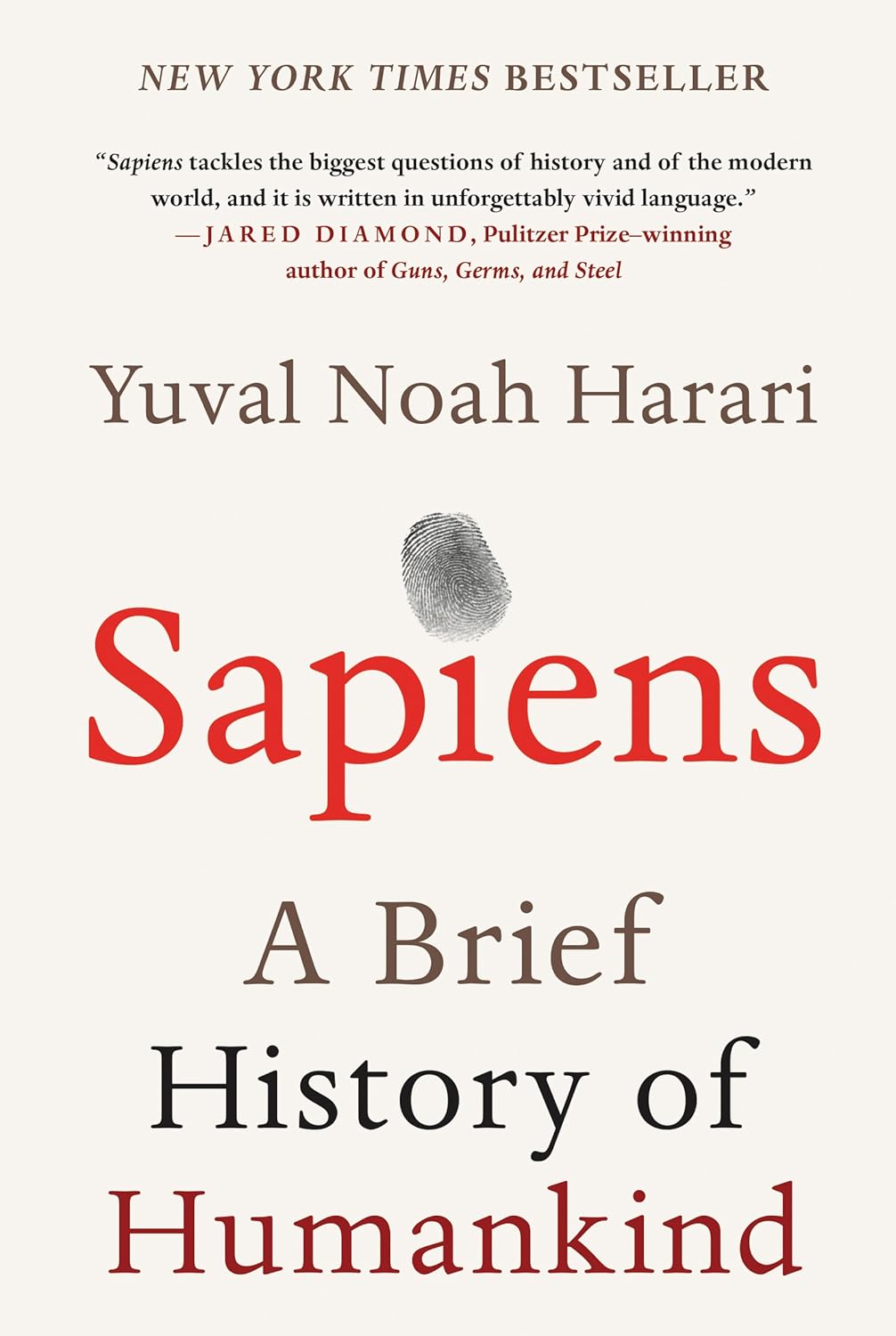
Sapiens: A Brief History of Humankind
Yuval Noah Harari

Man's Search for Meaning
Viktor E. Frankl

The Last Kingdom (The Saxon Stories, Book 1)
Bernard Cornwell
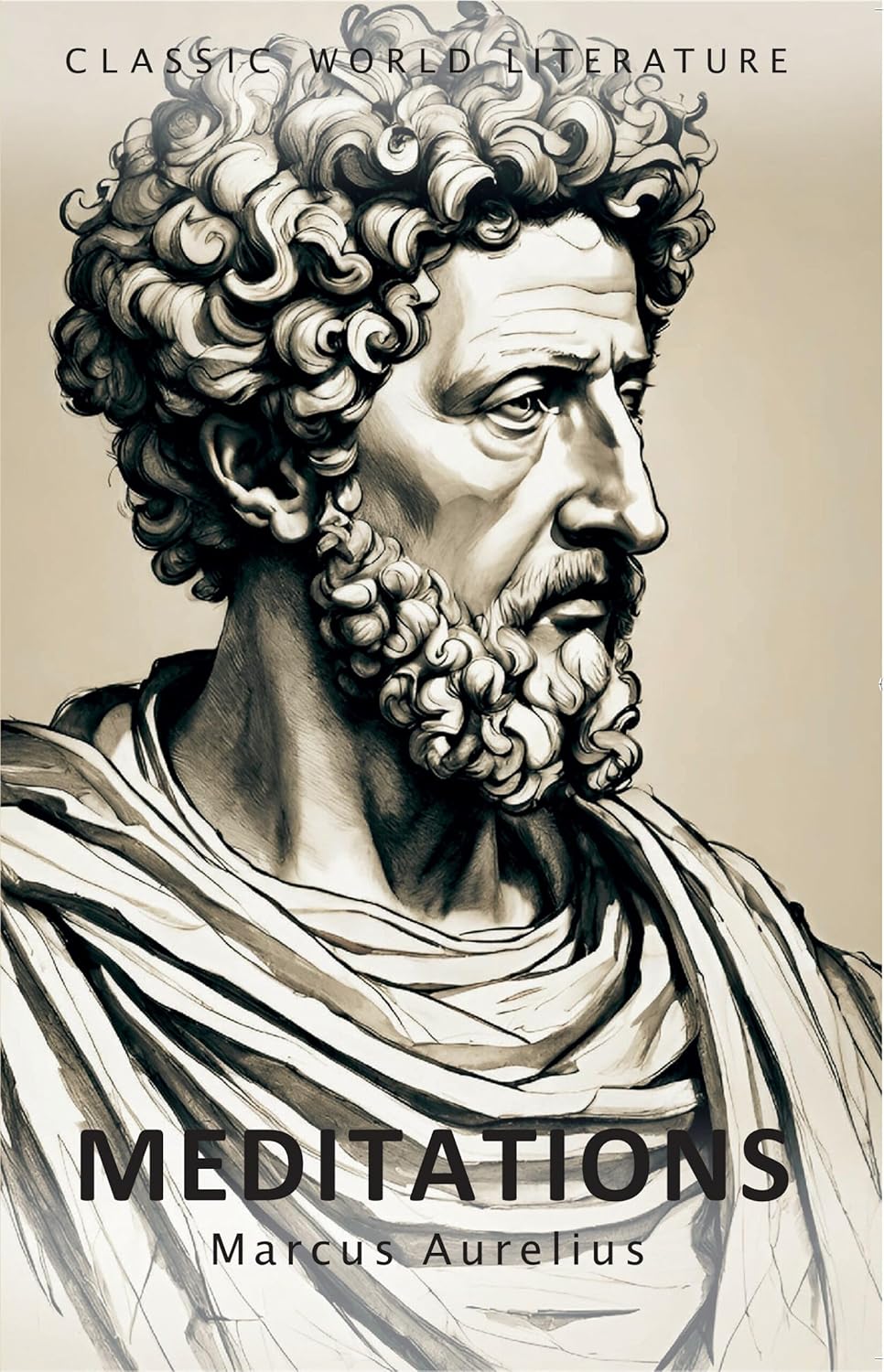
Meditations
Marcus Aurelius

The Power of Now
Eckhart Tolle