
The History of Norway: Vikings, Unions, Independence
This book contains information most people never bother to find.
A note from Skriuwer
Our Amazon publishing account has been unexpectedly suspended. We disagree with this decision and are currently pursuing the matter through formal legal channels. We are actively working to resolve the situation and will keep you informed as things develop. Thank you for your support.
About this book
Norway's history moves from ferocious Viking warriors to one of the world's most peaceful and prosperous democracies in just over a thousand years. Understanding how that transformation happened is one of the most interesting stories in European history, and this book tells it in full.
You'll go through the Viking Age and Norway's role in it, the medieval kingdom building, the long centuries of Danish and Swedish rule, the independence movement, the trauma of Nazi occupation in World War 2, and the oil discovery that transformed a modest fishing nation into one of the wealthiest countries on earth within a single generation.
What you gain is a real understanding of why Norway consistently tops global rankings for happiness, equality, and quality of life, and how its history of hardship, foreign domination, and dramatic economic change shaped the values and institutions that underpin its society today.
Norway's success didn't happen by accident. Its history explains everything.
TABLE OF CONTENTS
CHAPTER 1: THE EARLIEST SETTLERS AND THE STONE AGE
Post-Ice Age migrations and coastal settlement patterns
Stone Age technology, rock carvings, and social organization
Seasonal hunter-gatherer lifestyles evolving into early farming
Archaeological finds revealing daily life and spiritual beliefs
CHAPTER 2: THE BRONZE AGE AND ITS SOCIETIES
Trade routes for copper and tin, driving social stratification
Elaborate burial mounds reflecting emerging hierarchies
Bronze tools and weapons transforming agriculture and warfare
Continuity of rock art and maritime culture
CHAPTER 3: THE IRON AGE AND EMERGING TRIBAL NETWORKS
Local production of iron spurring stronger tools and agriculture
Increasing tribal alliances and early chieftaincies
Early runic inscriptions and shifting burial customsInfluence of outside cultures through trade and contact
CHAPTER 4: THE VIKING AGE BEGINSÂ
Lindisfarne raid (793) as a symbol of the Viking expansion
Advanced shipbuilding (longships) enabling swift coastal attacks
Initial Norwegian ventures into the British Isles and beyond
Social and political factors fueling seafaring adventures
CHAPTER 5: VIKING AGE SOCIETY AND DAILY LIFE
Class structure: jarls, karls, and thralls
Farming, craftsmanship, and the importance of trade
Religious beliefs: Norse gods, rituals, and the transition to Christianity
Cultural expressions: runes, skaldic poetry, and saga traditions
CHAPTER 6: THE RISE OF THE NORWEGIAN KINGDOMÂ
Consolidation under early kings like Harald Fairhair
Impact of Christianity on governance and social norms
Formation of a national monarchy and law codes
Ongoing expansion of maritime networks and trade
CHAPTER 7: HIGH MEDIEVAL NORWAY AND THE ROLE OF THE CHURCH
Establishment of an independent archdiocese at Nidaros
Civil wars (Birkebeiner vs. Bagler) shaping royal power
Strengthening central authority amid church influence
Cultural blossoming: stone architecture, written sagas, and court life
CHAPTER 8: THE LATE MIDDLE AGESÂ
Black Death (1349) decimating the population and weakening the monarchy
Political and economic struggles leading to reliance on Denmark
Kalmar Union under Queen Margrethe and Norwegian autonomy issues
Late medieval cultural resilience in local assemblies and folk tradition
CHAPTER 9: DENMARK-NORWAY
Close integration with Denmark following the Kalmar Union
Centralization of royal authority and Lutheran Reformation changes
Hanseatic influence and the continued importance of timber and fish
Modest urban growth in coastal towns under joint monarchy
CHAPTER 10: RELIGIOUS REFORMATION AND SHIFTING POWER
Transition to Lutheranism, dissolution of monasteries, and church land seizure
Influence of Danish kings and enforcement of state-controlled religion
Emergence of local governance despite heavy external oversight
Gradual evolution of literacy and parish-based education
CHAPTER 11: THE 17TH CENTURYÂ
Repeated conflicts with Sweden, shaping borders
Timber exports and expanded trade routes fueling modest prosperity
Growing role of the Storting in local governance
Slow shift from medieval social structures toward more modern economy
CHAPTER 12: ABSOLUTISM AND ECONOMIC STRUGGLES IN THE LATE 17TH CENTURY
Rise of absolute monarchy under Danish rule, tightening royal control
Continued warfare, tax burdens, and local unrest among peasants
Fortress building, trade regulation, and budding mercantilist policies
Social impact of economic hardships and the resilience of local customs
CHAPTER 13: THE 18TH CENTURY
Emerging influence of Enlightenment thought on law, governance, and trade
Incremental growth of local industries, improved education, and parish schools
Mid-century cultural exchanges, modest reforms under Danish-Norwegian union
Gradual social changes preparing Norway for eventual political shifts
CHAPTER 14: THE NAPOLEONIC WARS AND THEIR EFFECTS ON NORWAY
British blockade and severe famine conditions in Norway
Forced realignment with Napoleon and conflict with Sweden
Treaty of Kiel (1814) ending Danish rule, transferring Norway to Sweden
Catalyst for Norwegian constitutionalism and brief independence attempt
CHAPTER 15: THE ROAD TO 1814 AND THE NORWEGIAN CONSTITUTION
Napoleonic upheavals prompting the Treaty of Kiel
Prince Christian Frederick rallying Norwegians for a constitutional assembly
Eidsvoll Assembly (May 17, 1814) drafting a seminal constitution
Swedish intervention leading to a union settlement that preserved autonomy
CHAPTER 16: NORWAY IN UNION WITH SWEDENÂ
Maintaining the 1814 constitution under Swedish monarchy
Cultural nationalism, romantic rediscovery of folk traditions and history
Gradual industrial growth (shipping, railroads), expanded education
Political evolution: Storting’s push for parliamentary authority
CHAPTER 17: CULTURAL REVIVAL, NATIONAL ROMANTICISM, AND IDENTITYÂ
Asbjørnsen and Moe collecting folk tales; Ivar Aasen championing Landsmål
Landscape paintings (J. C. Dahl) and preservation of stave churches
National romantic literature, fostering pride in medieval and peasant heritage
Tensions between traditional folk culture and growing urban elites
CHAPTER 18: INDUSTRIAL GROWTH AND SOCIAL CHANGESÂ
Railway expansion, steamship technology, and emerging factories
Urbanization, labor organization, and new class dynamics
Rising tensions over consular representation and foreign policy with Sweden
Birth of modern political parties (Venstre, Høyre) and extended suffrage
CHAPTER 19: EARLY 20TH CENTURY DEVELOPMENTSÂ
Consular crisis intensifying Norway-Sweden union strains
1905 dissolution of the union, King Haakon VII’s accession
Neutrality during World War I, shipping losses, and social reforms
Norway’s emergence as a confident constitutional monarchy
CHAPTER 20: SUMMARY OF NORWAY’S PAST AND LASTING LEGACIES
Recap of major eras: Viking expansions, medieval unity, unions with Denmark/Sweden
Importance of assemblies, legal codes, and cultural continuity
Role of romantic nationalism, industrial growth, and peaceful independence in 1905
Enduring themes: maritime adaptation, democratic evolution, and folk traditions
Product Details
Dimensions: 6 × 9 inches / 15.24 x 22.86 cm
Cover: Paperback
Books like this
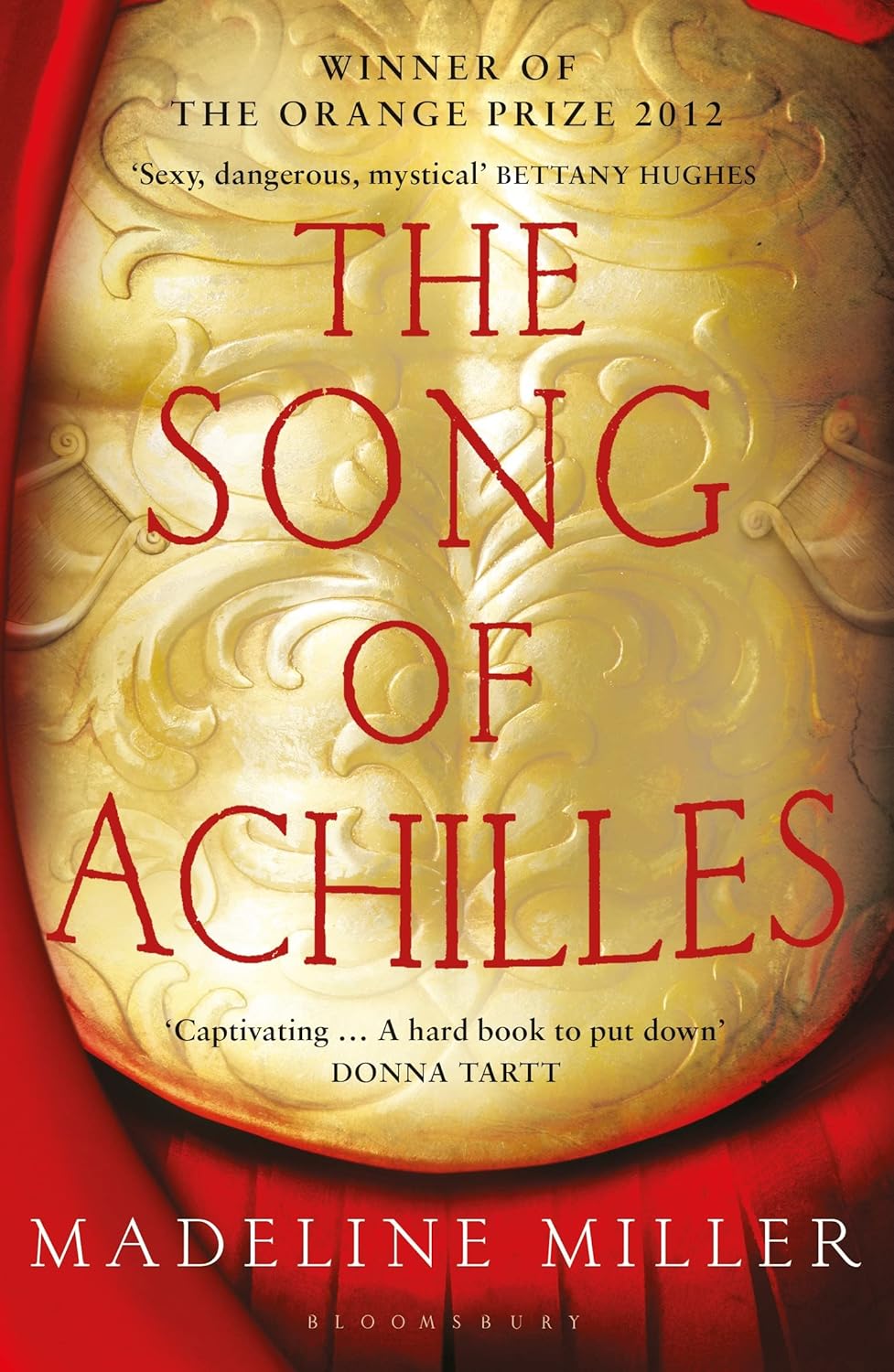
The Song of Achilles
Madeline Miller
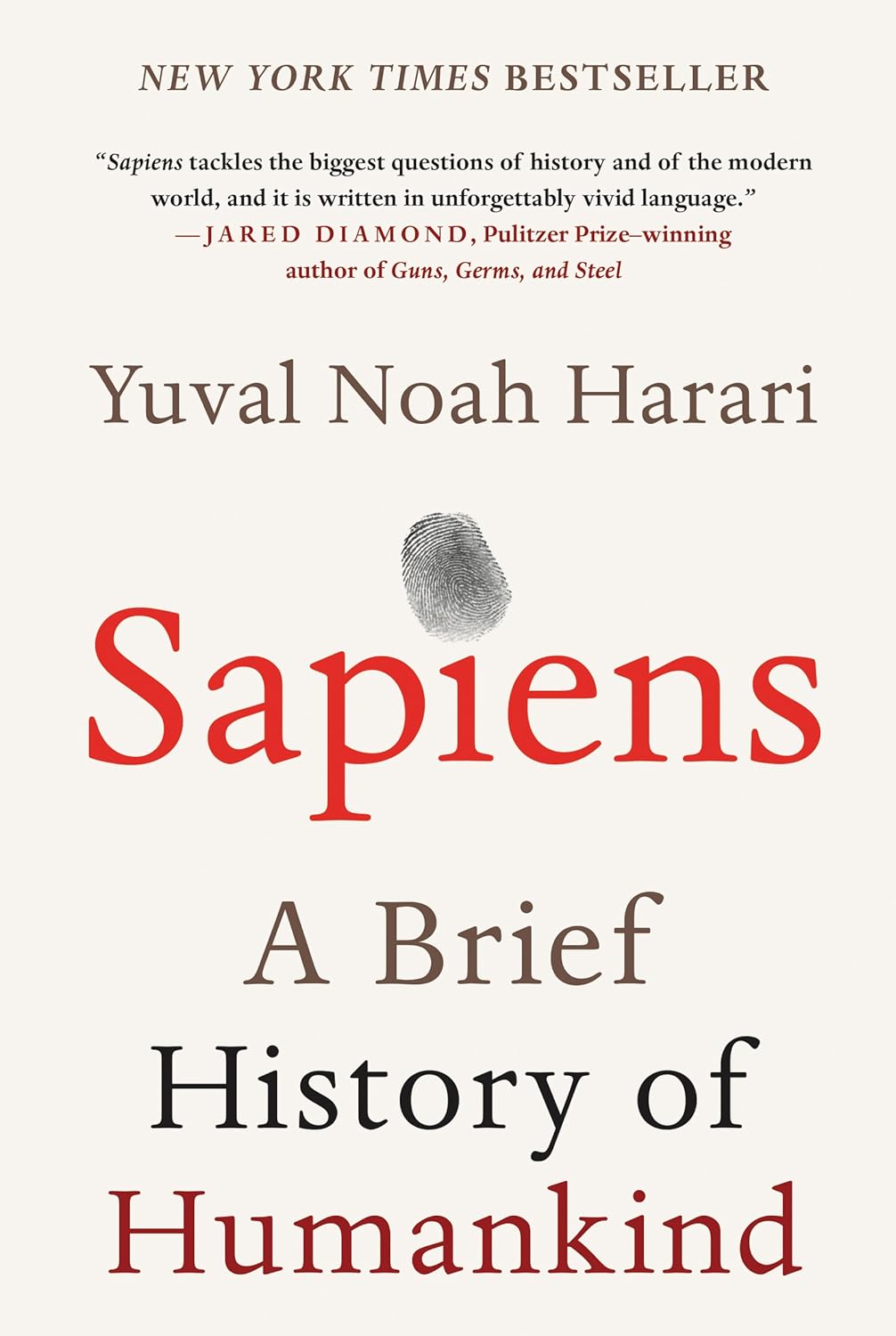
Sapiens: A Brief History of Humankind
Yuval Noah Harari
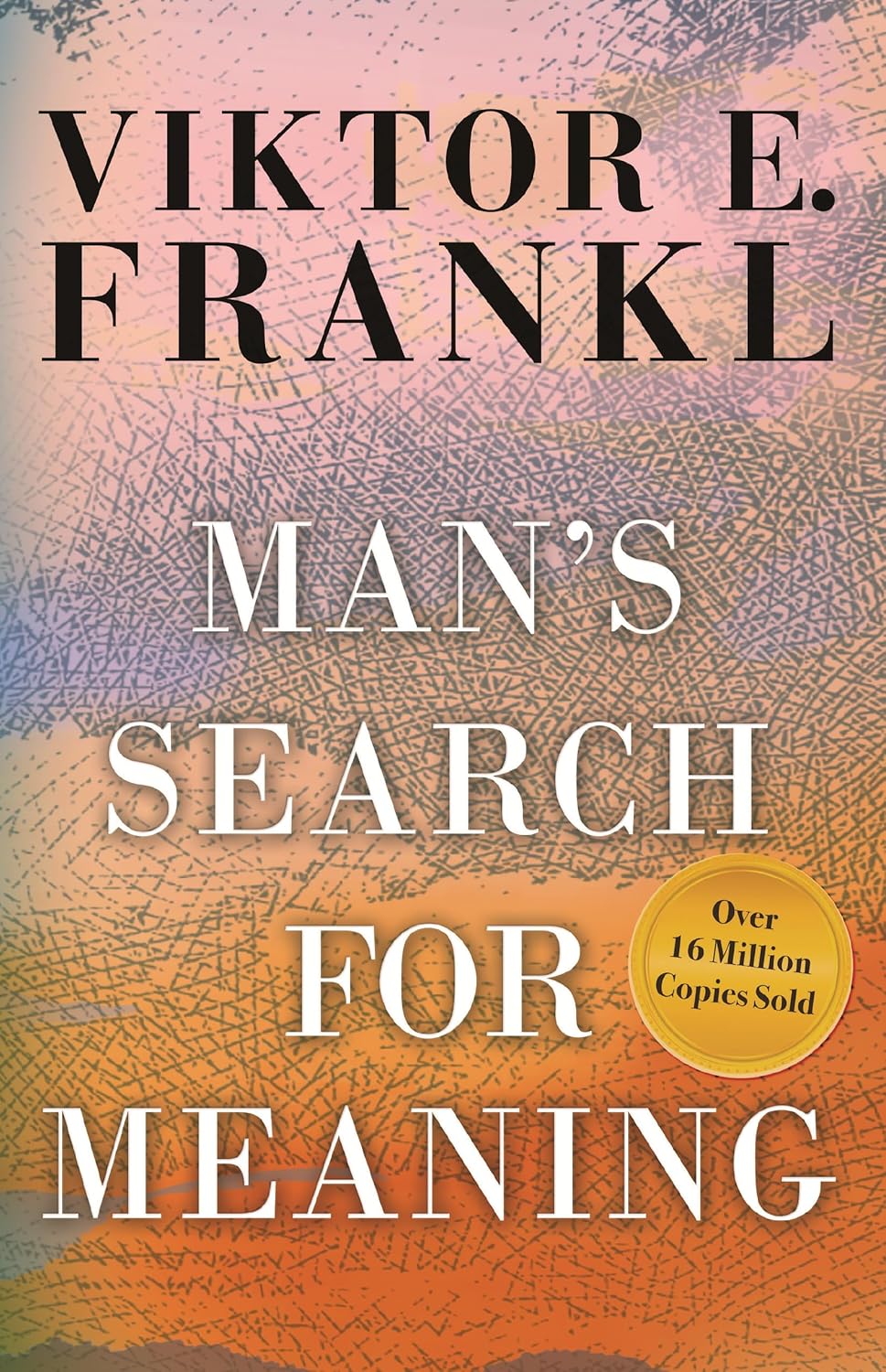
Man's Search for Meaning
Viktor E. Frankl

The Body Keeps the Score
M.D. Bessel van der Kolk

The Last Kingdom (The Saxon Stories, Book 1)
Bernard Cornwell