
The History of Paris: The Shaping of a Metropolis
The real story is never the one in the textbook.
A note from Skriuwer
Our Amazon publishing account has been unexpectedly suspended. We disagree with this decision and are currently pursuing the matter through formal legal channels. We are actively working to resolve the situation and will keep you informed as things develop. Thank you for your support.
About this book
Paris did not become Paris by accident. Every street, boulevard, and neighborhood carries centuries of history, violence, revolution, and reinvention.
This book traces the city from its origins as a Gaulish settlement called Lutetia through Roman occupation, the medieval city of Notre-Dame and the Sorbonne, the absolute monarchy that built Versailles and bled the country dry, the Revolution that began in Paris's streets and ended on its scaffolds, Haussmann's complete reconstruction of the city in the 19th century, the Commune, two German occupations, the Liberation, and the city of today that remains one of the most visited and most contested places on earth.
Paris has been the center of Western intellectual and cultural life for 400 years. This book explains how it got there and what it cost the people who built it.
Whether you love Paris or find it overrated, understanding its history changes how you see it.
TABLE OF CONTENTS
CHAPTER 1: THE BEGINNINGS OF PARIS – PREHISTORIC TO EARLY CELTIC PRESENCE
- Earliest human settlements along the Seine
- Influence of Celtic tribes and the emergence of the Parisii
- Geographical factors shaping early habitation
CHAPTER 2: THE ROMAN ERA & THE TRANSFORMATION INTO LUTETIA
- Roman conquest and administration
- Introduction of Roman architecture and engineering
- Cultural and economic shifts under Roman rule
CHAPTER 3: THE EARLY MIDDLE AGES – MEROVINGIANS & CAROLINGIANS
- Collapse of Roman power and the rise of Merovingians
- King Clovis and the significance of early Christianity
- Impact of Carolingian rule on governance and religion
CHAPTER 4: THE RISE OF THE CAPETIAN DYNASTY AND MEDIEVAL PARIS
- Foundation of the Capetian line
- Expansion of Paris as a political and trade center
- The role of churches and fortifications in urban development
CHAPTER 5: URBAN GROWTH, UNIVERSITIES, AND LIFE IN THE 12TH CENTURY
- Formation of early academic institutions
- Marketplaces, guilds, and everyday life
- Architectural developments and public worksÂ
CHAPTER 6: THE 13TH CENTURY – SCHOLASTICISM, ARCHITECTURE, AND SOCIETY
- Rise of scholastic thought in Parisian universities
- Gothic cathedral construction and architectural innovations
- Social hierarchy and the role of the Church
CHAPTER 7: THE HUNDRED YEARS’ WAR AND ITS IMPACT ON PARIS
- Causes and main events of the conflict
- Sieges, shifts in power, and social unrest
- Long-term consequences for the city’s structure and economy
CHAPTER 8: THE RENAISSANCE IN PARIS – ART, ARCHITECTURE, AND ROYAL INFLUENCE
- Transition from medieval to Renaissance styles
- Patronage of the arts by French royalty
- Introduction of humanist thought and its effects on learning
CHAPTER 9: THE WARS OF RELIGION AND THE STRUGGLE FOR POWER
- Catholic–Huguenot conflicts and key events
- St. Bartholomew’s Day Massacre and its aftermath
- Rise of Bourbon influence and the path to stability
CHAPTER 10: THE BOURBON KINGS AND THE SHAPING OF PARIS
- Henry IV’s efforts to restore order
- Infrastructure projects and urban improvements
- Developments in trade and commerce during Bourbon ruleÂ
CHAPTER 11: THE 17TH CENTURY – LOUIS XIII, RICHELIEU, AND THE SEEDS OF ABSOLUTISM
- Centralization of power under Cardinal Richelieu
- Growth of noble townhouses and cultural institutions
- Setting the stage for Louis XIV’s absolute monarchy
CHAPTER 12: LOUIS XIV’S REIGN – THE GRAND TRANSFORMATION OF PARIS
- Major building projects and urban planning
- Cultural life, the arts, and the court’s influence
- Socioeconomic impact of prolonged wars and royal policies
CHAPTER 13: THE ENLIGHTENMENT AND SOCIAL CHANGE IN 18TH-CENTURY PARIS
- Philosophical salons and the rise of intellectual debate
- Critiques of traditional authority and new social ideas
- Paris as a hub of print culture and public discourse
CHAPTER 14: THE FRENCH REVOLUTION – COLLAPSE OF THE OLD ORDER
- Economic crisis, social discontent, and the spark of revolution
- The storming of the Bastille and key revolutionary events
- Radical changes in governance and the Reign of Terror
CHAPTER 15: THE REVOLUTIONARY AFTERMATH – DIRECTORY, CONSULATE, AND THE RISE OF NAPOLEON
- Post-revolutionary factions and the Directory
- Napoleon’s ascent to power and the establishment of the Consulate
- Administrative, legal, and cultural reforms impacting ParisÂ
CHAPTER 16: THE RESTORATION AND THE SHIFTING POLITICAL LANDSCAPE
- Return of the Bourbon monarchy
- Political tensions and the balance between old and new ideals
- Influence on everyday life and national identity
CHAPTER 17: THE JULY MONARCHY AND THE SEEDS OF FURTHER REVOLUTIONS
- The 1830 revolution and rise of Louis-Philippe
- Urban protests, barricades, and political clubs
- Socioeconomic reforms and growing discontent among the populace
CHAPTER 18: THE SECOND REPUBLIC, THE SECOND EMPIRE, AND HAUSSMANN’S PARIS
- Revolution of 1848 and the establishment of a republic
- Louis-Napoleon’s coup d’état and the birth of the Second Empire
- Baron Haussmann’s sweeping urban modernization projects
CHAPTER 19: THE SIEGE OF PARIS AND THE PARIS COMMUNE (1870–1871)
- Franco-Prussian War and the devastating siege
- Social and political factors leading to the Paris Commune
- The bloody end of the Commune and its lasting effects
CHAPTER 20: THE LATE 19TH CENTURY – CULTURAL FLOURISH AND INDUSTRIAL CHANGES
- Rebuilding the city and the emergence of new industries
- Artistic and literary movements shaping Parisian culture
- Foundations laid for Paris’s evolution into a modern metropolis Â
Product Details
Dimensions: 6 × 9 inches / 15.24 x 22.86 cm
Cover: Paperback
Books like this
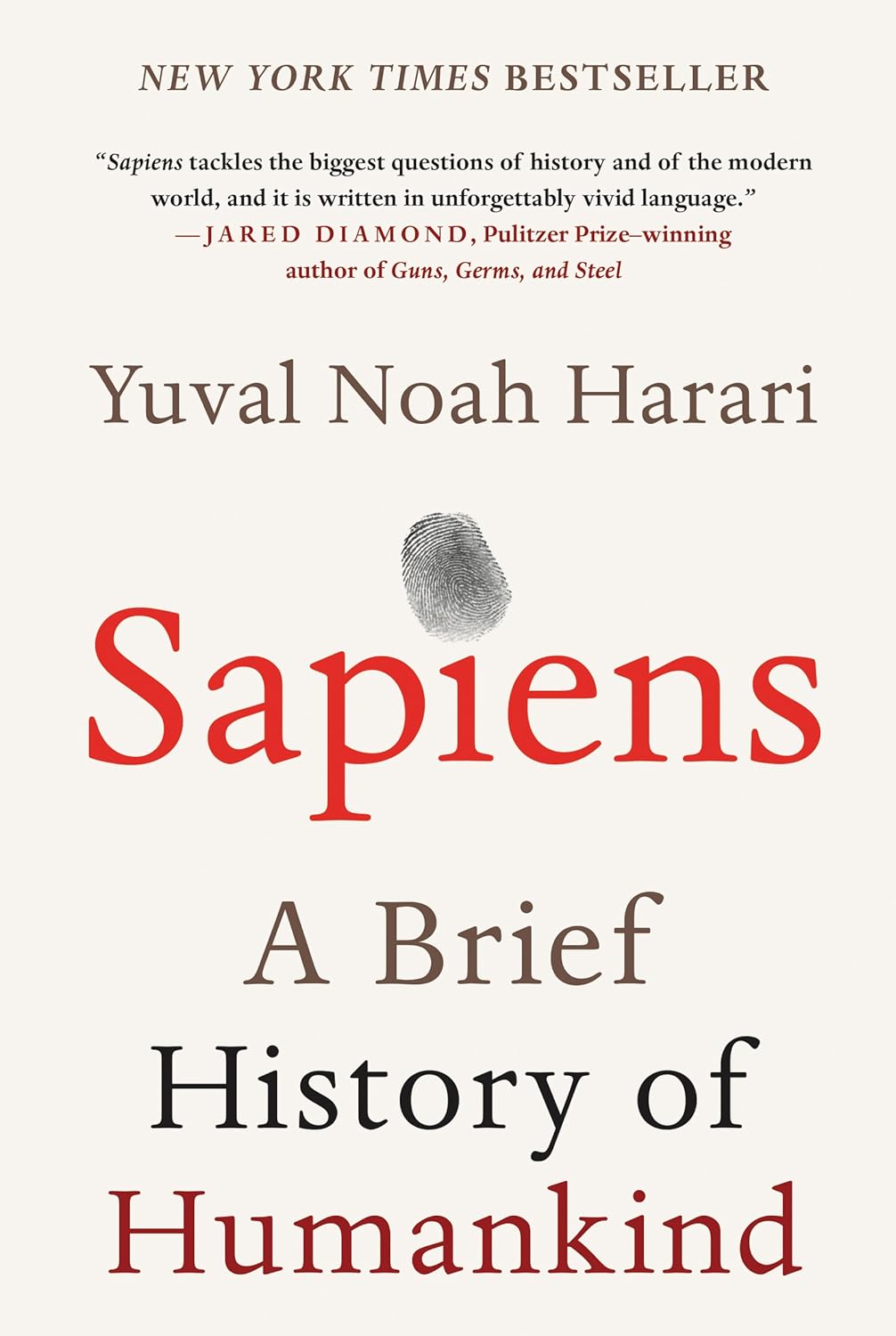
Sapiens: A Brief History of Humankind
Yuval Noah Harari
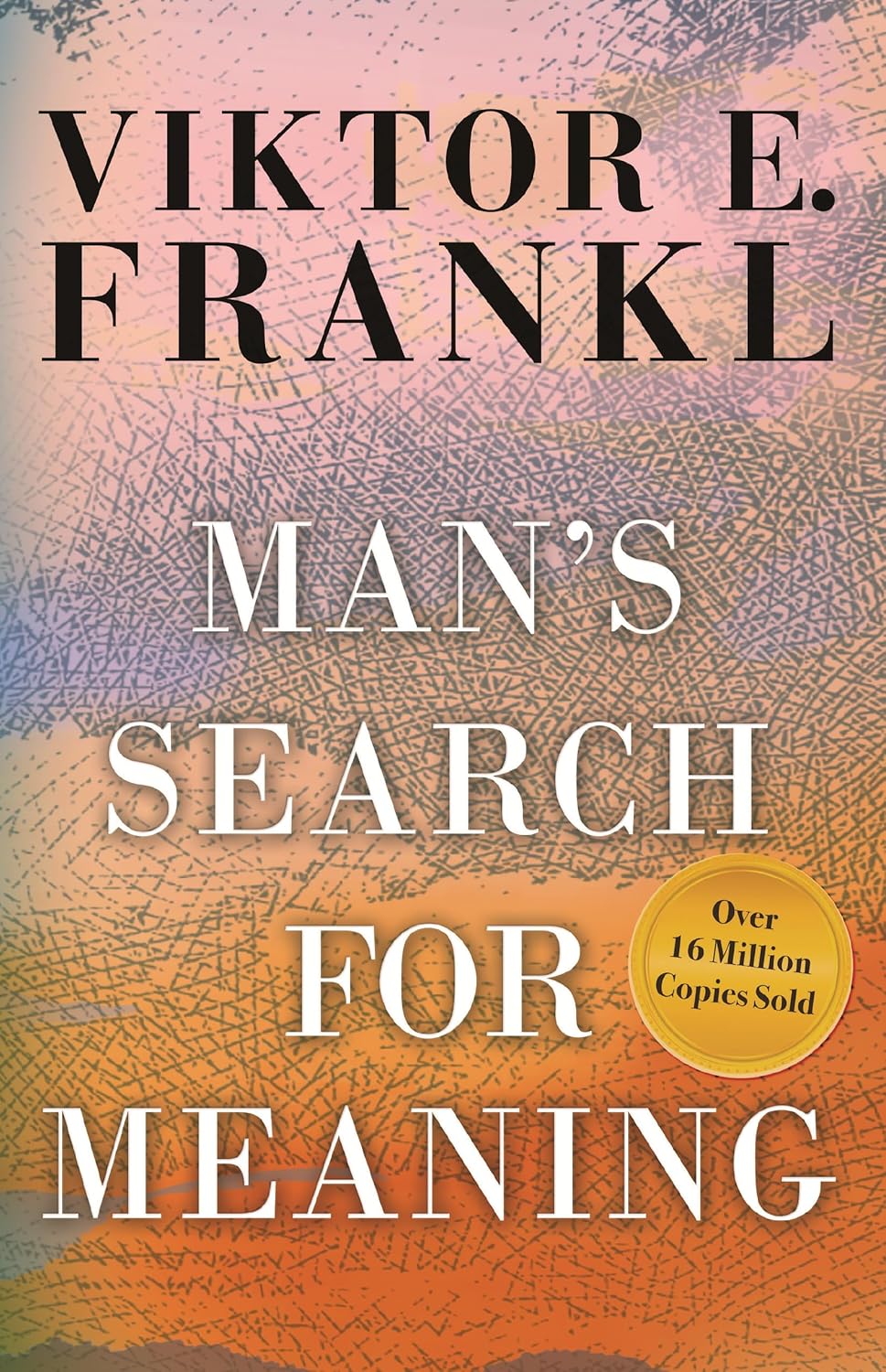
Man's Search for Meaning
Viktor E. Frankl

The Last Kingdom (The Saxon Stories, Book 1)
Bernard Cornwell
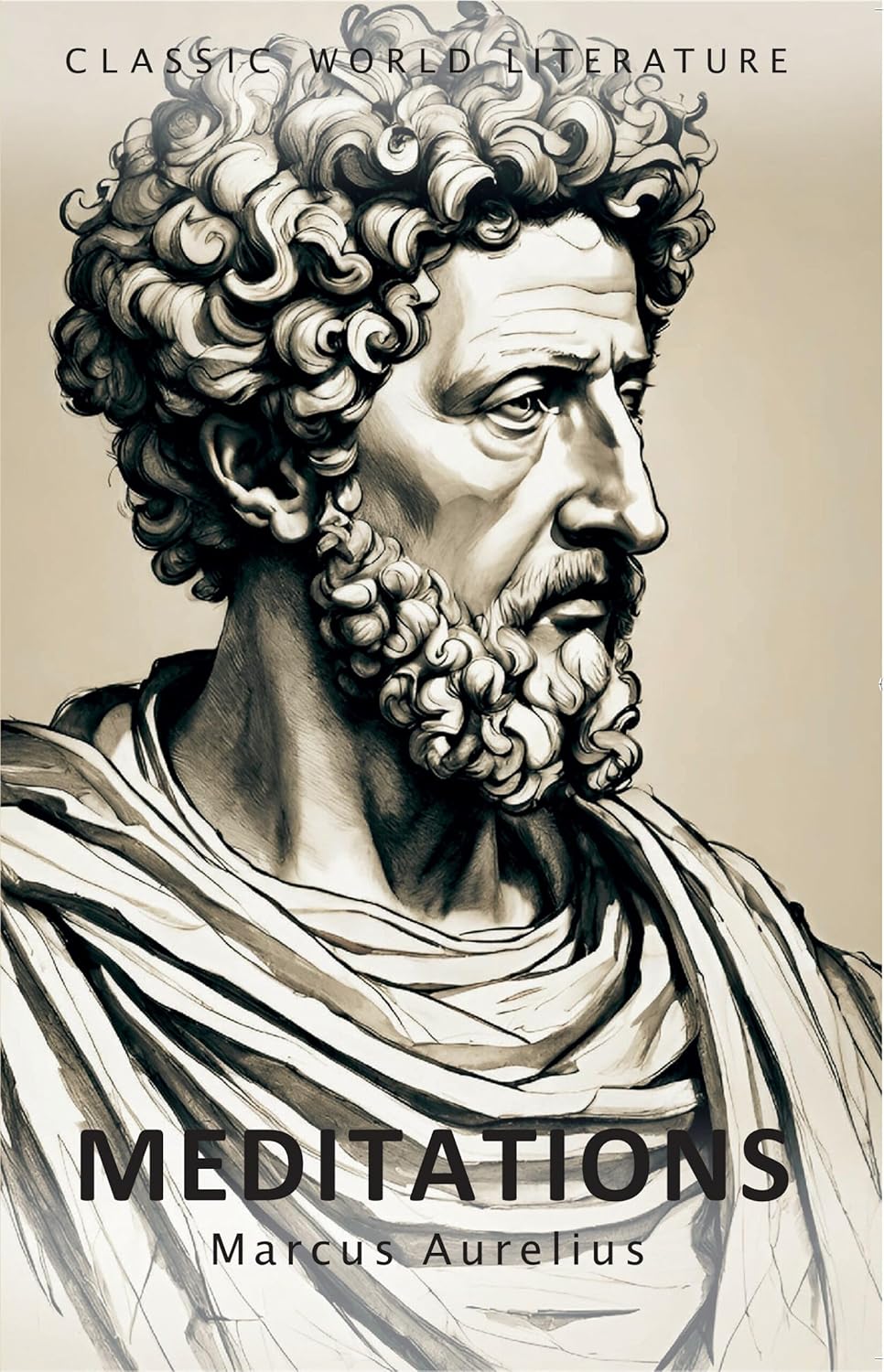
Meditations
Marcus Aurelius
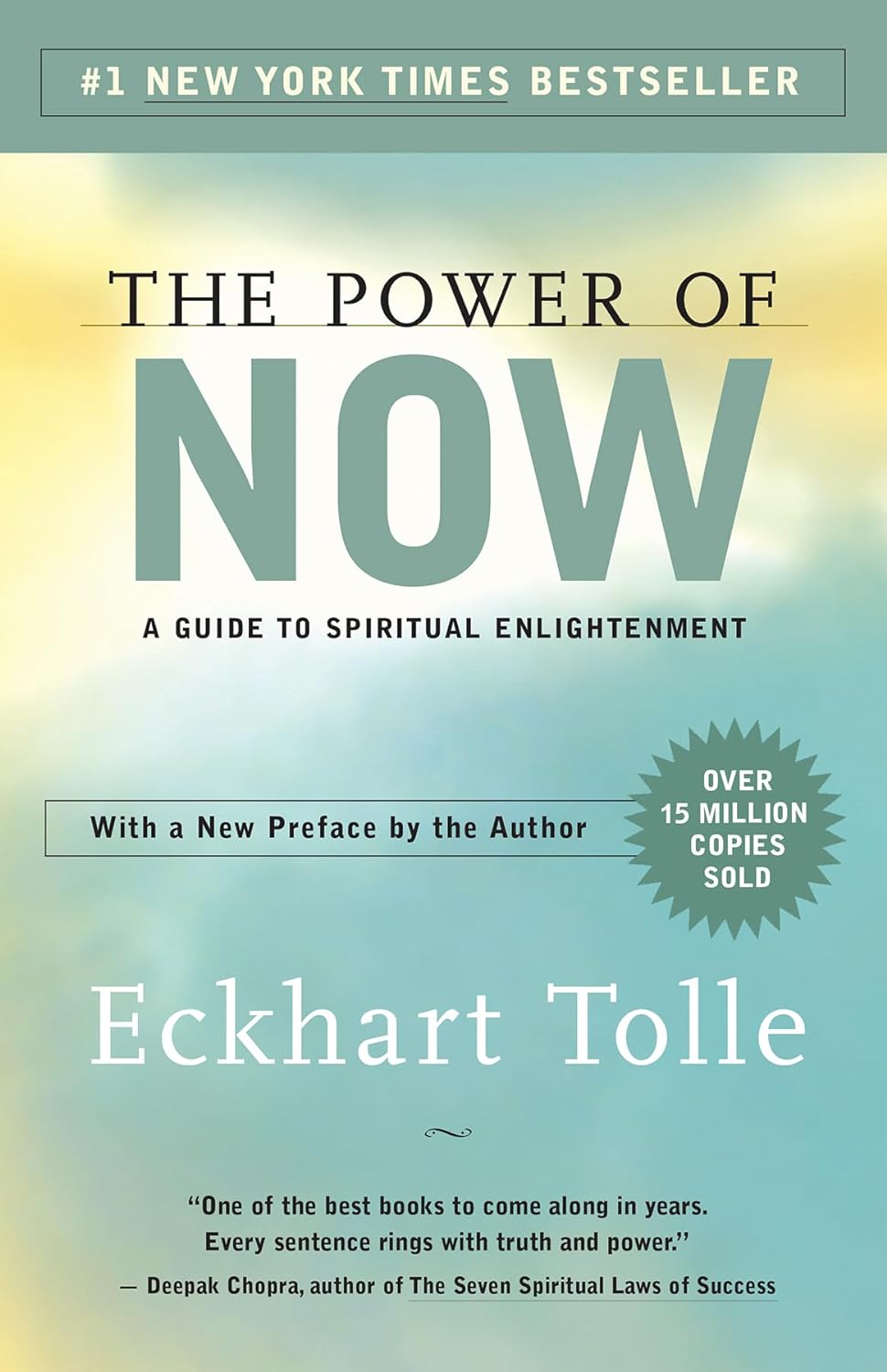
The Power of Now
Eckhart Tolle