Best Serial Killer Books: 9 True Crime Reads Ranked by Reader Demand (2026)
The best serial killer books do something rare. They hold your attention with a genuinely dark subject while still respecting the people the story is really about. Most lists mix novels and nonfiction together and leave you sorting fact from fiction yourself. This guide keeps it clean. Every recommendation here is nonfiction true crime, ranked by how many readers actually return to it, and ordered so a newcomer and a seasoned true crime reader both know where to begin.
Skriuwer ranks books by verified reader reviews rather than editorial taste. That matters in true crime, a genre where hype moves fast and quality varies wildly. If the psychology of why these stories grip us interests you, the Skriuwer psychology collection is a useful companion to this list.
What Makes a Serial Killer Book Worth Reading
Not all true crime is equal. The weakest books chase shock value, pile on gore, and forget the victims entirely. The strongest do three things. They investigate rather than sensationalise. They keep victims as people, not props. And they tell you something true about how crimes happen and how they are solved. Every book below clears that bar, which is why they keep getting read years after publication.
One quick test helps when you are deciding what to buy. Open to a random page and see whose name appears most often. If it is the killer's, and the victims are a blur of dates and locations, the book has already told you what it values. The titles that endure tend to give victims real biographies, real families, and real lives that existed before the crime. That choice is not just ethical. It is what makes the writing land, because a loss only matters to a reader who first understood what was lost.
The genre also overlaps with history. Some of the most enduring serial killer stories are set a century or more ago, which places them alongside the kind of darker history covered across the Skriuwer true crime collection and the broader history collection.
It helps to know what you are actually looking for before you buy. Some readers want the procedural side: how investigators build a case, how profiling works, how a suspect is finally caught. Others want the human story of the victims and the community a killer terrorised. A third group wants the psychology, the question of what produces a person capable of these crimes. The strongest books often deliver all three, but they lead with one. The list below notes which is which, so you can match a book to the reason you picked up the genre in the first place.
Where to Start: Best Serial Killer Books for Beginners
If you are new to true crime, begin with books that prove the genre can be literature, not just lurid.
- In Cold Blood by Truman Capote: many readers credit this 1966 book with founding modern true crime. Capote reconstructs the murder of a Kansas family with the craft of a novelist and the detail of a reporter. It sets the standard the rest of the genre still measures itself against.
- The Stranger Beside Me by Ann Rule: Rule was writing a book about an unidentified killer when she realised she personally knew the suspect: Ted Bundy, her friend and colleague at a crisis hotline. That impossible coincidence makes this the definitive Bundy book and a perfect entry point.
The Investigative Classics
Once the basics make sense, move to the books that show how these cases are actually cracked.
- Mindhunter by John E. Douglas: Douglas spent 25 years in the FBI and helped invent criminal profiling. This is the inside account of how interviewing convicted killers turned into a working method, and it is the source for the Netflix series.
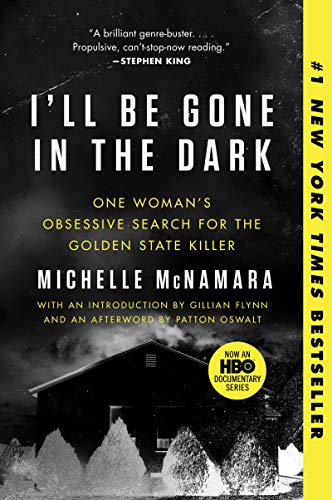
- I'll Be Gone in the Dark by Michelle McNamara: McNamara's obsessive hunt for the Golden State Killer is a model of modern investigative true crime. She died before it was finished and before the case was solved, which gives the book a haunting weight. The killer was identified shortly after publication. For the wider cold-case shelf around it, see our ranked guide to the best books about unsolved mysteries.
Three More Heavily Reviewed True Crime Reads
These titles round out a strong shelf and are not yet in the Skriuwer database, so they are worth adding to your own list:
- Murderland by Caroline Fraser: a Pulitzer-winning author's investigation into the cluster of serial killers in the 1970s Pacific Northwest, arguing that environmental lead pollution may be part of the story.
- Deranged by Harold Schechter: the meticulously researched account of Albert Fish, the early twentieth-century killer whose case shocked even seasoned investigators.
- The Killer Across the Table by John E. Douglas: Douglas again, this time structured around four face-to-face interviews that show profiling at work case by case.
Notable New True Crime for 2026
The genre keeps producing strong work, and 2026 has already delivered several titles worth watching. The Blood Countess by Shelley Puhak revisits Elizabeth Bathory and asks whether one of history's most notorious female killers was partly the product of political disinformation and gendered myth, a sharp, revisionist piece of historical true crime. Black Dahlia: Murder, Monsters, and Madness in Midcentury Hollywood by William J. Mann gives the famous unsolved 1947 case the humanizing, historically grounded treatment most retellings skip. Both show where the genre is heading: away from gore and toward context, with more attention to victims and to the myths that grow around famous cases. We will fold the strongest of these into the ranked list as their verified review counts climb.
Why These Stories Hold Us
It is worth asking, plainly, why so many calm and decent people read about the worst things humans do. The honest answer is not morbid curiosity alone. True crime is, at its core, a genre about danger and survival. Readers are running a kind of mental rehearsal: how did this happen, would I have seen the warning signs, how was it stopped. Studies of the true crime audience consistently find it skews toward people who feel a need to understand threat rather than people who enjoy cruelty. The genre also satisfies a desire for resolution. Most of these books end with a capture, a trial, a name. The chaos is, in the end, contained.
That framing matters when you choose books. A title that delivers understanding and resolution feeds the healthy version of the impulse. A title that lingers on suffering for its own sake feeds nothing. The picks in this guide were chosen with that distinction in mind.
The Devil in the White City: True Crime as History
Erik Larson's The Devil in the White City deserves its own mention because it does something most true crime never attempts. It braids the story of H. H. Holmes, who lured victims during the 1893 Chicago World's Fair, with the story of the fair itself. The result reads like a novel but is built entirely from records. It is the book to hand someone who says they do not like true crime, and it shows how close the genre sits to narrative history.
The Ethics Question Most Lists Ignore
True crime has a real problem, and a good reader should know it. The genre can slide into entertainment built on other people's worst days. It can centre killers and forget victims. The best response is not to avoid the genre but to read it well. Choose books that name victims and treat them as people. Be wary of titles that glamorise the killer or invent dialogue. The reading order above favours books that investigate and inform, because those age well, while shock-driven titles do not. Reading true crime thoughtfully is part of reading it at all, a theme that also runs through our look at what makes a book banned and the most controversial books ever written.
Your Serial Killer Books Reading Order
Here is the path. Start with In Cold Blood and The Stranger Beside Me to see the genre at its literary best. Move to Mindhunter and I'll Be Gone in the Dark to understand how cases are actually solved. Add Murderland, Deranged, and The Killer Across the Table for range. Read The Devil in the White City when you want true crime that doubles as history. Follow that order and you get the full genre without wading through the shelf of forgettable cash-ins.
For more curated reading ranked by real reviews, browse the Skriuwer true crime collection. The natural next stops if true crime is your shelf: the best books about the mafia for organised crime, the best books about cults for the psychology of high-control groups, and the best dark psychology books for the manipulation tactics that turn an ordinary person into a victim.
Your next good book, in your inbox
We only write when we find a book worth your time. Hand-picked recommendations across history, mythology, true crime and more.
Books You Might Like


Mindhunter: Inside the FBI's Elite Serial Crime Unit
Mark Olshaker John E. Douglas

Helter Skelter: The True Story of the Manson Murders
Curt Gentry Vincent Bugliosi