3 Hours of EPIC World History Facts: Sleep Stories to Fall Asleep To
World history is the attempt to find patterns across civilizations that developed independently of each other. Why did agriculture emerge in several places at once around 10,000 BCE? Why did industrialization begin in Britain rather than China, which had many of the same ingredients earlier? Why did some cultures develop writing and others did not? Sleep stories covering 3 hours of epic world history facts give you the broad sweep of the human story, from the first cities to the modern world.
The Learn While You Sleep channel covers this topic in long-form, calm-narrated sleep content built for nighttime listening. 144 videos covering history and mythology, all in the same steady, unhurried format that carries you from wakefulness into deep sleep.
3 Hours of EPIC World History Facts
The Great Turning Points
A useful way to hold world history in your head is to think in turning points rather than dates. The agricultural revolution, roughly 12,000 years ago, turned wandering bands into settled villages and made cities possible. The rise of writing, in Mesopotamia and Egypt, let societies store knowledge beyond a single human memory. The spread of world religions reshaped law, art and identity across continents. The scientific revolution and then the industrial revolution changed the human relationship with energy and machinery so completely that the centuries after them barely resemble the centuries before.
Each of these shifts built on the one before it. Our guide to the earliest civilizations in the world covers the first of them, and the ancient civilizations timeline lays out how the early cultures rose and overlapped.
Why Some Civilizations Pulled Ahead
One of the most debated questions in world history is why power and technology concentrated where they did. Geography clearly mattered: the spread of crops and domestic animals was easier along east-west axes than north-south ones, which gave Eurasia an early head start. But geography is not destiny. Institutions, trade networks, disease, and sheer chance all shaped which societies expanded and which were absorbed. The honest answer is that no single factor explains the pattern, and the best world histories resist tidy stories.
Why This Format Works for Sleep
The sleep learning format works because it occupies the analytical mind just enough to stop it generating its own anxieties, while keeping the emotional stakes low enough to allow actual sleep. Historical content is ideal for this: genuinely interesting, intellectually engaging, but emotionally distant enough that your nervous system can relax. The events happened long ago, to people you will never meet. Your brain processes the narrative without activating the threat responses that keep you awake.
Long videos matter too. A two-hour video that ends while you are still awake is a disruption. A four-to-seven-hour video carries you through the night without interruption.
More Sleep Stories on the Channel
Browse the full playlist at Fall Asleep to History, with videos covering everything from the Stone Age to World War Two. For a single deep topic, the Persian Empire history sleep story is a good next listen.
Books on World History
Sleep stories build the framework. These books fill in the detail:
- Sapiens by Yuval Noah Harari is the most accessible single-volume overview of the entire human story, sweeping and quietly provocative. For what to read next, see the ranked guide to books similar to Sapiens.
- Guns, Germs, and Steel by Jared Diamond argues that geography, not race, explains why some civilizations conquered others. Influential and worth reading critically.
- The Silk Roads by Peter Frankopan retells world history with Central Asia and the trade routes at the centre, a useful corrective to Europe-first narratives.
Find these and more at Skriuwer's curated history collection, with honest reviews and direct Amazon links. Subscribe to Learn While You Sleep and there will be new content waiting every night.
Your next good book, in your inbox
We only write when we find a book worth your time. Hand-picked recommendations across history, mythology, true crime and more.
Are you an author?
Get your book in front of readers like these, for free.
- Free book listing →Your own book page with an Amazon button
- Author page →Photo, bio and links to your site
- Featured placement →A spot in our best-of lists, from €29
Free tools we recommend
Get free honest reviewsReview exchange on iWrity, free to join
Books You Might Like

Sapiens: A Brief History of Humankind
Yuval Noah Harari
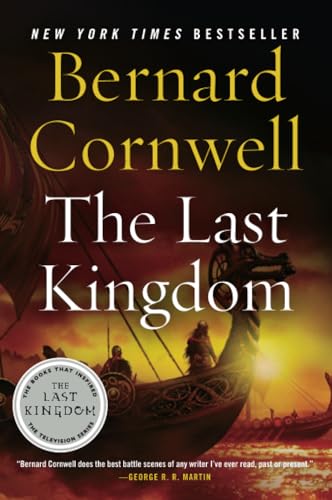
The Last Kingdom (The Saxon Stories, Book 1)
Bernard Cornwell

Meditations
Marcus Aurelius

The Hiding Place
Elizabeth Sherrill, John Sherrill Corrie ten Boom