The Count of Monte Cristo: Revenge, Justice, and Redemption Explored
The Count of Monte Cristo: Revenge, Justice, and Redemption Explored
The Count of Monte Cristo, Alexandre Dumas's masterpiece first published in 1844, remains one of literature's most compelling explorations of revenge, justice, and the possibility of personal redemption. This classic novel has captivated readers for nearly two centuries with its intricate plot, unforgettable characters, and profound moral questions. The narrative of Edmond Dantès's transformation from innocent sailor to the mysterious Count offers readers far more than simple adventure—it presents a sophisticated meditation on how vengeance can consume the human spirit, and whether redemption is truly possible after years of bitter pursuit.
The Foundation: Injustice and Imprisonment
The novel begins with a promise of happiness that is brutally destroyed. Edmond Dantès, a young sailor of promising character, is arrested on his wedding day through the machinations of jealous rivals. Imprisoned in the infamous Château d'If, Dantès spends fourteen years in darkness, seemingly forgotten by the world. During his imprisonment, he encounters Abbé Faria, a fellow prisoner who becomes his mentor, educator, and moral guide. Through Faria's teachings, Dantès learns languages, science, history, and philosophy—knowledge that will later enable his extraordinary escape and transformation.
This section of The Count of Monte Cristo establishes the novel's central injustice. Dantès has done nothing to deserve his fate. He is innocent, condemned by coincidence and malice, stripped of his youth and future. This foundational wrong is crucial to understanding the psychological trajectory that follows. The fourteen years of captivity don't break Dantès; instead, they forge him into someone capable of executing an elaborate plan of retribution. When he finally escapes and discovers the treasure of Monte Cristo, he possesses both the means and the motivation for revenge.
The Nature of Revenge in The Count of Monte Cristo
What makes The Count of Monte Cristo unique among revenge narratives is its unflinching examination of what vengeance actually accomplishes. Rather than presenting revenge as cathartic justice, Dumas shows it as a consuming obsession. The Count methodically destroys those he believes responsible for his imprisonment: Danglars, Caderousse, and Fernand (now the Count de Morcerf). Each of these men played a role in Dantès's downfall, either through direct action or culpable negligence.
However, Dumas complicates our moral judgment. Some of these men are partially redeemed by their suffering. Others are innocent victims caught in the Count's web. As the novel progresses, Dantès begins to understand that indiscriminate revenge inevitably claims innocent lives. His machinations lead to the deaths and ruin of people who never wronged him—the wives, children, and servants of his targets. This realization forces both the Count and the reader to confront uncomfortable truths: that revenge is often morally indiscriminate, that those who pursue it become corrupted by their obsession, and that justice and vengeance are fundamentally different concepts.
Justice Versus Vengeance: A Crucial Distinction
Throughout The Count of Monte Cristo, Dumas carefully explores the distinction between legitimate justice and personal vengeance. Justice ideally operates through impartial systems designed to punish guilt while protecting the innocent. Vengeance, by contrast, is personal, emotional, and prone to excessive punishment. The Count initially presents himself as an instrument of divine justice, yet his actions frequently exceed what justice would demand. When innocent people suffer consequences meant for the guilty, the Count's moral authority becomes questionable.
This exploration of justice echoes in other classic literary works. Readers interested in similar meditations on justice and morality might appreciate Les Misérables, also by Alexandre Dumas's contemporary, Victor Hugo, which examines justice through the lens of social systems and individual conscience. Similarly, Crime and Punishment by Fyodor Dostoevsky explores whether extraordinary individuals can justify their crimes through philosophical reasoning—a question Dumas poses implicitly through the Count's actions.
The Path to Redemption
The final third of The Count of Monte Cristo pivots toward redemption, a theme as important as revenge itself. Dantès begins to recognize the human cost of his vendetta. He witnesses suffering that moves him, and he realizes that his quest for vengeance has isolated him from human connection and love. The introduction of Haydée, the daughter of Ali Pasha, provides both romantic interest and moral awakening. Through Haydée's love and the Count's growing awareness of his own moral compromises, Dantès begins a journey toward redemption.
This redemption arc is what elevates The Count of Monte Cristo beyond a simple revenge narrative. Dantès must not only acknowledge the harm he has caused but also accept that he cannot undo it through any amount of subsequent good action. True redemption, as Dumas presents it, involves accepting the consequences of one's choices and choosing a different path forward. The Count cannot restore the innocent lives lost to his schemes, nor can he perfectly repair all the damage he has caused. Yet by acknowledging this reality and consciously choosing love and mercy over continued vengeance, he achieves a form of redemption—not absolution, but a genuine transformation.
Literary Legacy and Enduring Themes
The enduring popularity of The Count of Monte Cristo stems from its exploration of these universal themes. Revenge fantasies appeal to readers across cultures and eras because human beings have always experienced injustice and harbored desires for retaliation. Yet Dumas recognized that living for revenge ultimately means remaining imprisoned—just as the Count was imprisoned in the Château d'If, so too does obsessive vengeance imprison the human spirit. The novel suggests that true freedom comes through forgiveness, whether of others or oneself.
For readers fascinated by these themes, numerous companion works deserve exploration. The Three Musketeers, also by Alexandre Dumas, explores loyalty, honor, and the consequences of one's choices. The Great Gatsby by F. Scott Fitzgerald presents a modern meditation on obsessive pursuit and the impossibility of recapturing the past. Wuthering Heights by Emily Brontë offers another examination of how revenge corrupts those who pursue it, ultimately destroying both victims and perpetrators.
Conclusion: The Timeless Questions
The Count of Monte Cristo endures because it addresses questions that remain perpetually relevant: Can justice be served through individual action outside legal systems? Does vengeance satisfy or merely perpetuate cycles of harm? Is redemption possible for those who have committed terrible acts? Dumas doesn't provide simple answers to these questions. Instead, he allows his protagonist to discover the answers through lived experience, demonstrating through Edmond Dantès's journey that the pursuit of revenge may be human, but the pursuit of redemption is divine.
If you're drawn to stories exploring these profound themes of justice, revenge, and transformation, visit Skriuwer.com to discover more classic literature and contemporary works that grapple with the eternal human struggle between vindication and forgiveness. Our curated collection of books offers countless pathways into the complex moral landscapes that make literature essential to understanding ourselves and our world.
Your next good book, in your inbox
We only write when we find a book worth your time. Hand-picked recommendations across history, mythology, true crime and more.
Books You Might Like

Sapiens: A Brief History of Humankind
Yuval Noah Harari
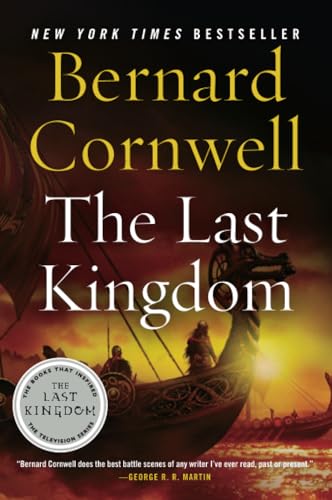
The Last Kingdom (The Saxon Stories, Book 1)
Bernard Cornwell

Meditations
Marcus Aurelius

The Hiding Place
Elizabeth Sherrill, John Sherrill Corrie ten Boom