9 WW1 Sleep Stories That Actually Teach the Great War (2026 Picks)
World War One killed seventeen million people and destroyed four empires. It reshaped the map of Europe, the Middle East, and Africa in ways that are still causing conflicts today. It also produced more poetry, memoir, and literature than almost any other event in history, because the people who survived were desperate to describe something that language kept failing to capture. The trenches. The mud. The absurdity of industrialised slaughter. WW1 sleep stories give you a way to absorb that history slowly, without the emotional armoring that comes with trying to study it at a desk in full daylight.
The Learn While You Sleep channel covers the Great War with its signature calm narration style, the same steady voice that carries you through ancient Egypt or medieval England, applied now to the Western Front and the political catastrophes that made the war unavoidable.
1 Hour of WW1 History Facts
A focused hour on the key events, causes, and turning points of the First World War. The assassination, the alliance system, the Schlieffen Plan, the failure of the western advance, the digging of the trenches, and four years of industrial attrition that nobody had planned for and nobody knew how to end.
WW1 and WW2 Together: The Connected History
The First World War is impossible to understand properly without knowing how it ended, not with justice or clarity, but with a peace settlement that humiliated Germany while failing to contain it. WW2 followed almost inevitably from Versailles. For the long-form ranking of the strongest scholarship on the second war, see the Skriuwer guide to the best World War 2 books. The channel's WW2 sleep content pairs naturally with this WW1 video and with the Skriuwer WW2 sleep stories index.
Why Sleep-Learning Works for the First World War
The sleep learning format works because it occupies the analytical mind just enough to prevent it from generating its own anxieties, while keeping the emotional stakes low enough to allow actual sleep. WW1 is heavy material, and the trick the format pulls off is keeping it intellectually present without letting it weigh on the listener. The dates, the names, the rotating cabinet ministers and front-line generals: the sleeping brain can carry all of it because the stakes are historical. The same channel covers other angles of twentieth-century history, including the Napoleonic Wars and the colonial history that shaped the war.
Books on World War One
WW1 has some of the finest history writing in the English language. These titles justify the reputation, and all five are available with the Skriuwer affiliate tag:
- The Guns of August by Barbara Tuchman. The first month of the war and the decisions that locked Europe into four years of catastrophe. Won the Pulitzer Prize and still reads as fresh.
- All Quiet on the Western Front by Erich Maria Remarque. The war from the German side. Published in 1929 and immediately banned by the Nazis. Essential.
- Storm of Steel by Ernst Jünger. A different German perspective: Jünger found the war exhilarating and is honest about it. Disturbing and important.
- Goodbye to All That by Robert Graves. A British officer's memoir of the trenches. Darkly funny and deeply angry.
- The Pity of War by Niall Ferguson. A revisionist account arguing Britain did not need to enter the war. Controversial and worth arguing with.
Find these and more in the Skriuwer history book collection, with verified review counts and direct Amazon links.
Your next good book, in your inbox
We only write when we find a book worth your time. Hand-picked recommendations across history, mythology, true crime and more.
Are you an author?
Get your book in front of readers like these, for free.
- Free book listing →Your own book page with an Amazon button
- Author page →Photo, bio and links to your site
- Featured placement →A spot in our best-of lists, from €29
Free tools we recommend
Get free honest reviewsReview exchange on iWrity, free to join
Books You Might Like

Sapiens: A Brief History of Humankind
Yuval Noah Harari
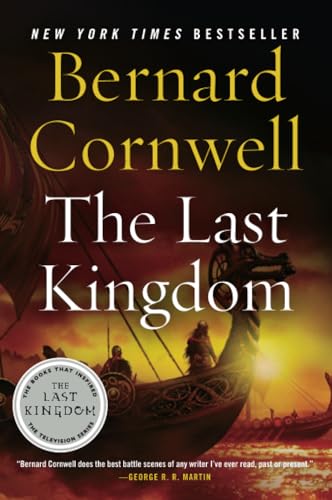
The Last Kingdom (The Saxon Stories, Book 1)
Bernard Cornwell

Meditations
Marcus Aurelius

The Hiding Place
Elizabeth Sherrill, John Sherrill Corrie ten Boom