Best True Crime Books: Real Cases That Shocked the World
True crime has become one of the most popular genres across books, podcasts, and streaming services. People are drawn to these stories for different reasons. Some want to understand how criminal minds work. Others are fascinated by detective work and how investigators solve cases. Still others are interested in justice, in how the legal system handles terrible crimes, and in what happens to victims and their families. The best true crime books go beyond sensationalism to ask real questions about human nature, justice, and society. These are the ones worth reading.
Classic Cases and Investigations
In Cold Blood by Truman Capote (Random House) is the book that essentially invented the modern true crime genre. Capote's account of the 1959 murder of a Kansas family is written with the narrative pacing of a novel, but every detail is factual. Capote spent years interviewing the killers, their families, investigators, and witnesses. The book asks uncomfortable questions about capital punishment, the criminal mind, and society's appetite for violence. It remains the gold standard of the genre.
Helter Skelter by Vincent Bugliosi (W.W. Norton) is the prosecutor's account of the Charles Manson murders in 1969. Bugliosi built the case that convicted Manson of orchestrating the killings, even though others committed the actual murders. The book is a masterclass in how to construct a murder case and understand motive. It also explores Manson's personality and how he manipulated his followers into committing horrific crimes.
Killer Across the Table: Conversations with an FBI Serial Killer Hunter by John Douglas and Mark Olshaker (Scribner) offers the perspective of one of the FBI's first profilers. Douglas interviewed serial killers and used those conversations to develop techniques for understanding criminal psychology. The book is both a memoir and a lesson in criminal investigation.
Unsolved Mysteries and Cold Cases
The Killer Across the Table by John Douglas (mentioned above) touches on cold cases, but for a book entirely devoted to unsolved murders, Zodiac by Robert Graysmith (Berkley) examines one of America's most famous unsolved serial killings. Graysmith, a cartoonist who became obsessed with the case, argues he has identified the killer. Whether or not his conclusion is correct, the book is a gripping examination of how investigators pursue a killer who refuses to be caught.
The Wager by David Mametsch (Knopf) is a historical true crime book about a naval encounter between British and Spanish ships in the 1740s. One ship caught fire under unclear circumstances. A court martial followed. The book is a fascinating exploration of conflicting testimonies, political maneuvering, and how justice works when there are no clear answers. It shows that true crime is not limited to modern cases.
A Man in the Shadows: The Memoirs of a Terrorist by Thomas Stummer (Crown) is a first-person account by someone who was close to the investigation of a major crime. These memoirs offer insider perspectives that journalists and prosecutors cannot always access. The book provides a window into how law enforcement thinks and operates.
Psychology of Crime and Criminal Minds
The Stranger Beside Me by Ann Rule (W.W. Norton) is a true crime classic written by a woman who knew the serial killer Ted Bundy personally. Rule worked as a crime writer, and Bundy was a coworker before she realized who he actually was. The book is a haunting examination of how evil can hide behind a charming exterior. It also raises questions about intuition, proximity, and judgment.
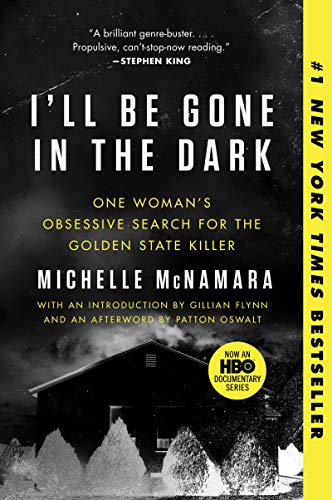
I'll Be Gone in the Dark by Michelle McNamara (HarperCollins) is a memoir of obsession disguised as a true crime investigation. McNamara was investigating the Golden State Killer, a serial rapist and murderer who evaded capture for decades. The book interweaves McNamara's personal life, her marriage, and her growing obsession with the case. Tragically, McNamara died before the killer was identified, which adds an extra layer to the narrative.
The Devil in the White City by Erik Larson (Crown) is a narrative history that interweaves the 1893 Chicago World's Fair with the crimes of H.H. Holmes, a serial killer who murdered young women in the chaos of the fair. Larson shows how the fair created an opportunity for predation. The book examines both the visionary architect who designed the fair and the killer who exploited it. It is history and true crime combined.
Systemic Crime and Justice
Just Mercy by Bryan Stevenson (Spiegel and Grau) is perhaps less about individual criminals and more about how the justice system fails innocent people and those on death row. Stevenson, a lawyer, has spent his career defending people sentenced to death or serving life sentences. The book includes cases of people who were wrongly convicted and freed, as well as questions about how justice should work.
The Midnight Ride by James Akin (Morrow) is a true crime narrative that examines a specific murder case in detail. Akin's reporting reveals how evidence is gathered, how witnesses are interviewed, and how prosecutors decide what case to build.
The Boys in the Boat by David Brown (Penguin) is not strictly a crime book, but it is the story of a murder in connection with the 1936 Olympics rowing team. Brown uses the crime as a lens to examine class, opportunity, and the American experience during the Great Depression.
White Collar Crime and Fraud
The Smartest Guys in the Room by Bethany McLean and Peter Elkind (Portfolio) is the definitive account of the Enron collapse. The book exposes how executives perpetrated what was the largest corporate fraud in American history at that time. It shows how brilliant people used their intelligence to commit crimes on a massive scale.
Bad Blood by John Carreyrou (Knopf) tells the story of Elizabeth Holmes and the fraud at Theranos. Holmes claimed her company had invented a revolutionary blood-testing technology that could run hundreds of tests from a single drop of blood. It was a lie. The book is a riveting account of how fraud succeeds when it preys on people's desire to believe in innovation.
Why True Crime Matters
True crime books satisfy something beyond curiosity about violence. They allow us to think about justice, punishment, mercy, and how society should respond to people who commit terrible acts. The best books in the genre are not just entertaining. They are morally serious. They ask what we can learn about human nature and about ourselves by examining cases where people have committed crimes that shock us all.
Skriuwer curates lists of true crime books across all types of cases and investigative approaches. Whether you are interested in serial killers, cold cases, fraud, or miscarriages of justice, there is a book that will draw you deeper into understanding how these stories matter.
Your next good book, in your inbox
We only write when we find a book worth your time. Hand-picked recommendations across history, mythology, true crime and more.
Books You Might Like


Mindhunter: Inside the FBI's Elite Serial Crime Unit
Mark Olshaker John E. Douglas

Helter Skelter: The True Story of the Manson Murders
Curt Gentry Vincent Bugliosi