Best Technology History Books in 2026: 12 Books That Explain How We Got Here
Technology history is not a series of inventions falling from the sky like meteors. It is a series of choices about what problems are worth solving, who gets funded to solve them, and what gets called progress when it arrives. Understanding those choices is the only way to understand the technology we now live inside. The books on this list tell the story of those choices, from Ada Lovelace imagining computing machines in the 1840s to the artificial intelligence systems reshaping every industry in 2026.
What you notice, reading these books together, is that the same tensions recur. Who controls access to technology? Who decides what it is used for? Can technology solve problems it did not create? The history of technology is not a one-way march toward improvement. It is a negotiation between human ambition and human limits, between what we build and what that building does to us. The best books on the subject do not pretend that negotiation has ended. They show you it is still happening.
The Complete Overview: Isaacson's The Innovators
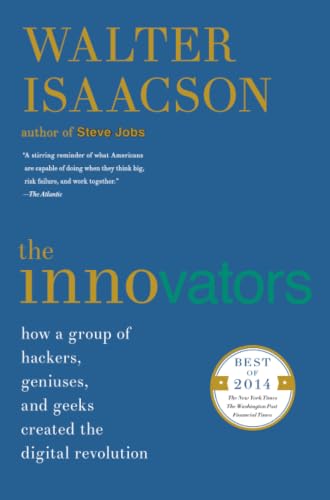 The Innovators by Walter Isaacson is the single best overview of technology history. Published in 2014, it traces the path from Ada Lovelace, who imagined computing machines while Napoleon was reshaping Europe, through Alan Turing, the transistor inventors at Bell Labs, the ENIAC programmers, the microchip designers, the personal computer builders, and finally the internet architects. Isaacson's method is biography. He tells you about the people, their collaborators, their competitions, the accidents that changed everything. The result is a narrative that shows how technology emerges from collective effort, not individual genius. That finding shapes everything else you will read.
Silicon Valley Mindset in Formation
 The New New Thing by Michael Lewis published in 1999, is a portrait of Jim Clark and Netscape at the moment Silicon Valley understood it could make unlimited money from the internet. Lewis is a masterful financial journalist and what he captures is the mindset: the belief that anything that could be imagined could be built and sold, that the usual rules of business did not apply. Clark had already made a fortune at Silicon Graphics and he saw the browser as the next vessel for that fortune. Netscape went public at a valuation that made no sense and created the template for dot-com excess. Reading Lewis's account is like watching a hurricane form in real time.
The Journalist as Witness
The Soul of a New Machine by Tracy Kidder published in 1981, won the Pulitzer Prize for its account of the Data General Eclipse minicomputer race. Kidder embedded with the engineering team and produced the best technology journalism ever written. The subject is a computer that nobody remembers anymore, but what Kidder captured was the culture: the obsession, the competition, the way smart people in a time-pressured environment think and work. Reading it is like being inside the minds of engineers trying to accomplish the impossible. It remains the standard for technology journalism.
Fraud and the Collapse of Trust
Bad Blood by John Carreyrou tells the story of Elizabeth Holmes and Theranos, the blood-testing company that claimed to have revolutionary technology that did not actually work. Published in 2018, it is a masterclass in investigative reporting. Carreyrou shows how a compelling story, repeated with conviction by a charismatic founder, can raise nine billion dollars even when the underlying claims are false. The book matters because it reveals something about how we evaluate technology: we want to believe in the disruption story so badly that we sometimes skip the step where we verify it actually works.
The Inside Stories of the Mega-Companies
How Google Works by Eric Schmidt and Jonathan Rosenberg published in 2014, is an insider's account of Google at its peak. Schmidt was the CEO who took Google from startup to mega-corporation. The book is not a pure history but a management philosophy, an argument for why Google's approach to hiring, decision-making, and culture made it dominant. Reading it now, after Google's monopoly position has generated antitrust scrutiny, is illuminating. You see the choices that seemed like pure good judgment at the time, now complicated by their effects.
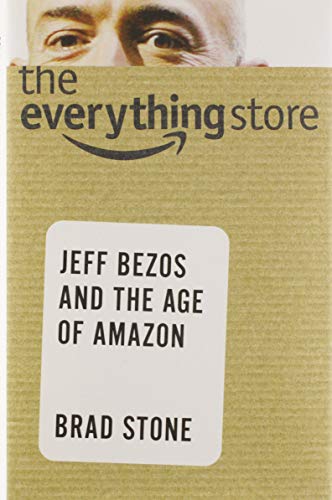 The Everything Store by Brad Stone, published in 2013, is the most complete account of how Amazon was built. Stone covers Jeff Bezos and his relentless focus on customer satisfaction and long-term value over short-term profit. The book shows how that philosophy scaled from books to everything else. Reading it now, when Amazon is in nearly every market and is scrutinized for workplace practices, the ambition and the costs of that ambition become clearer.
Silicon Valley Memoirs and Inside Accounts
 The Hard Thing About Hard Things by Ben Horowitz published in 2014, is the CEO memoir that is actually honest about failure. Most business books are about success or they present failure as a stepping stone to later success. Horowitz writes about the moments when he thought he might lose everything, when his business was failing and he did not know how to fix it. The book is useful because it normalizes the experience of being in over your head and having to figure it out anyway. It is also useful because it shows you what Silicon Valley's self-image looks like from the inside.
The Founders and the Vision
Elon Musk by Ashlee Vance published in 2015, covers Musk before he became primarily known for Twitter and before his political views became a central part of the news cycle. The book focuses on PayPal, Tesla, and SpaceX, the companies Musk actually founded. Vance's portrait is one of obsessive vision: Musk had ideas about what he thought the future should look like and he built companies to realize them. Whether you think that is admirable or reckless depends partly on whether those companies succeeded, and partly on what you think Musk's responsibility is for the people and systems his decisions affect.
The Facebook Effect by David Kirkpatrick published in 2010, covers the early Facebook years when Mark Zuckerberg was still running the company and the social network was reshaping how billions of people communicate. Kirkpatrick had access to Zuckerberg and the early executive team and he documents the decisions that made Facebook the dominant platform on earth. Reading it now, when Facebook is facing criticism for its effect on mental health and democracy, the book is a record of how those choices looked to the people making them at the time.
History and Strategy
 Only the Paranoid Survive by Andy Grove published in 1996, is the CEO memoir that defined Silicon Valley strategy thinking. Grove built Intel into a semiconductor giant and the book distills his philosophy: that business is fundamentally about survival, that the threats to your survival change constantly, and that paranoia is rational. Grove's argument about "strategic inflection points," moments when the rules of the game change, has shaped how tech executives think about competition for thirty years. Reading it is like being inside the mind of someone who sees threats everywhere and responds by building defensive moats.
The Secret History and the Long View
Dark Territory by Fred Kaplan published in 2016, traces the secret history of cyberwar. Kaplan shows how the decisions made about computer security and military strategy in the 1980s shaped the internet security landscape we live in now. It is a book about the choices that were made in back rooms by people trying to anticipate threats that did not yet exist. What you learn is that the internet was never designed to be secure. It was designed to be resilient. That fundamental choice echoes through everything that came after.
Three Technology History Books Worth Reading Today
- The Innovators by Walter Isaacson, the most complete single-volume history from Ada Lovelace to the internet.
- Bad Blood by John Carreyrou, an investigation into fraud at Theranos that reveals how we evaluate technology claims.
- The Hard Thing About Hard Things by Ben Horowitz, a CEO memoir that is honest about failure and what that teaches you about building companies.
Technology history is contemporary history. The choices made in Silicon Valley in the 1990s and 2000s are still shaping how billions of people live now. Reading these books is one way to understand those choices, to see the people who made them as human beings trying to solve problems or make money or both, and to think clearly about what we want from technology going forward. Understanding where we came from is the first step to having any say in where we go.
Your next good book, in your inbox
We only write when we find a book worth your time. Hand-picked recommendations across history, mythology, true crime and more.
Are you an author?
Get your book in front of readers like these, for free.
- Free book listing →Your own book page with an Amazon button
- Author page →Photo, bio and links to your site
- Featured placement →A spot in our best-of lists, from €29
Free tools we recommend
Get free honest reviewsReview exchange on iWrity, free to join
Books You Might Like

Sapiens: A Brief History of Humankind
Yuval Noah Harari
The Last Kingdom (The Saxon Stories, Book 1)
Bernard Cornwell

Meditations
Marcus Aurelius

The Hiding Place
Elizabeth Sherrill, John Sherrill Corrie ten Boom