Best Philosophy Books
From Plato to Nietzsche, books that challenge how you think about existence and meaning.
Top Picks


The Daily Stoic: 366 Meditations on Wisdom, Perseverance, and the Art of Living
Stephen Hanselman Ryan Holiday
65,000 reviews


All Philosophy Books
The Myth of Sisyphus
Albert Camus
The Hero with a Thousand Faces
Joseph Campbell
Letters from a Stoic
Seneca
Sophie's World
Jostein Gaarder
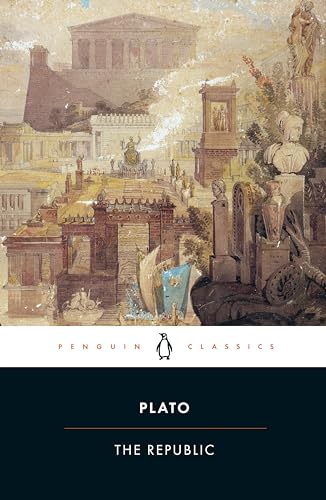
The Republic
Plato

21 Lektionen für das 21. Jahrhundert
Yuval Noah Harari
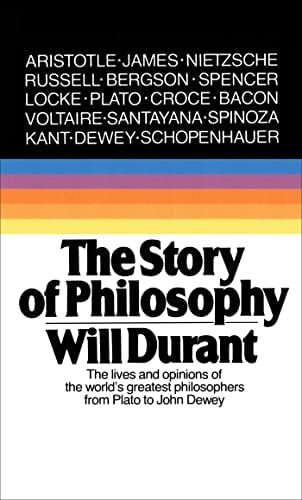
The Story of Philosophy: The Lives and Opinions of the Greatest Philosophers
Will Durant
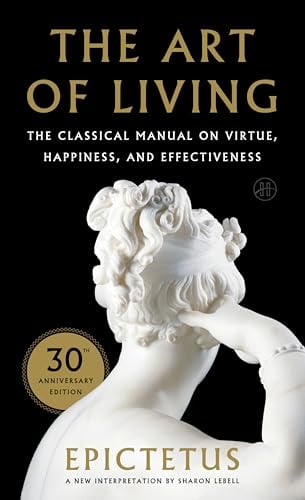
The Art of Living: The Classical Manual on Virtue, Happiness, and Effectiveness
Epictetus (Sharon Lebell)
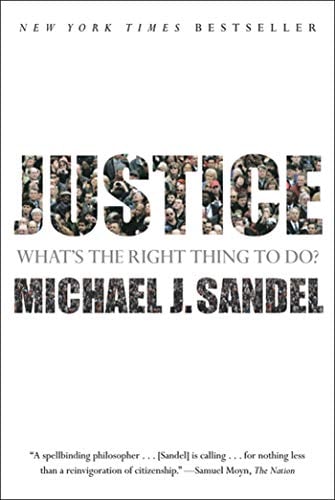
Justice: What's the Right Thing to Do?
Michael J. Sandel
A Guide to the Good Life: The Ancient Art of Stoic Joy
William B. Irvine
Beyond Good and Evil
Friedrich Nietzsche
A History of Western Philosophy
Bertrand Russell
Nicomachean Ethics
Aristotle
The Consolations of Philosophy
Alain de Botton
The Order of Time
Carlo Rovelli

Thus Spoke Zarathustra: A Book for Everyone and No One (Penguin Classics)
Friedrich Nietzsche
The Bhagavad Gita (Penguin Classics)
Anonymous
The Prince (Penguin Classics)
Niccolo Machiavelli
The Social Contract (Penguin Books for Philosophy)
Jean-Jacques Rousseau

The Communist Manifesto (Penguin Classics)
Karl Marx
On Liberty
John Stuart Mill
The Nicomachean Ethics (Penguin Classics)
Aristotle
How Proust Can Change Your Life
Alain De Botton
The Stranger (Vintage International)
Albert Camus
A History Of The World In 10 1/2 Chapters (Vintage Past)
Julian Barnes
The Prince (Penguin Classics)
Niccolo Machiavelli
Oxford Dictionary of Rhymes (Oxford Quick Reference)
Oxford
Henry James:Ambssdrs (Landmarks of World Literature)
Krook
The Island of the Colorblind
Import
The Subtle Art of Not Giving a F*ck: A Counterintuitive Approach to Living a Good Life
Mark Manson

A Bend in the River (Vintage International)
V. S. Naipaul
Little Threats
Emily Schultz
Courage Is Calling: Fortune Favors the Brave (The Stoic Virtues Series)
Ryan Holiday
Wanting: The Power of Mimetic Desire in Everyday Life
Luke Burgis
The Alcohol Experiment: Expanded Edition: A 30-Day, Alcohol-Free Challenge To Interrupt Your Habits and Help You Take Control
Annie Grace
Everything Is F*cked: A Book About Hope
Mark Manson
Range: Why Generalists Triumph in a Specialized World
David Epstein
Clearing the Fields: Solutions to the Global Land Mine Crisis
Kevin M. Cahill
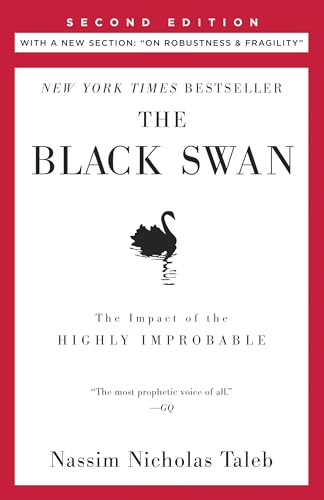
The Black Swan: Second Edition: The Impact of the Highly Improbable: With a new section: "On Robustness and Fragility"
Nassim Nicholas Taleb
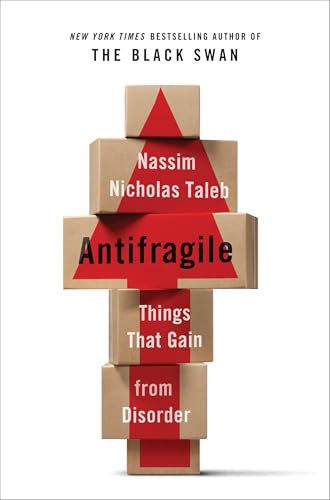
Antifragile: Things That Gain from Disorder (Incerto)
Nassim Nicholas Taleb
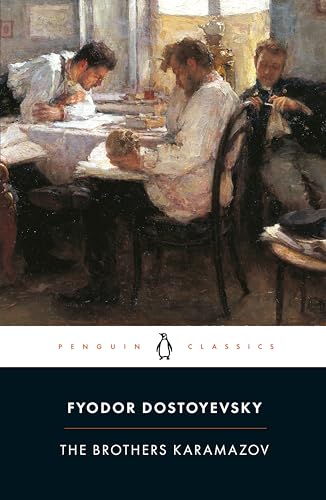
The Brothers Karamazov: A Novel in Four Parts and an Epilogue
Fyodor Dostoyevsky
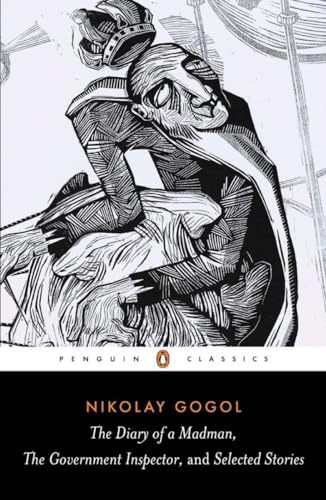
The Diary of a Madman, The Government Inspector, and Selected Stories (Penguin Classics)
Nikolai Gogol
The Theory of Moral Sentiments (Penguin Classics)
Adam Smith
Beyond Good & Evil: Prelude to a Philosophy of the Future
Friedrich Nietzsche

21 Lecons pour le XXIeme siecle
Yuval Noah Harari
Mythologie et philosophie: Le sens des grands mythes grecs
Luc Ferry
La sagesse des mythes: Apprendre a vivre 2
Luc Ferry
L art subtil de s en foutre: Un guide a contre-courant pour etre soi-meme
Mark Manson
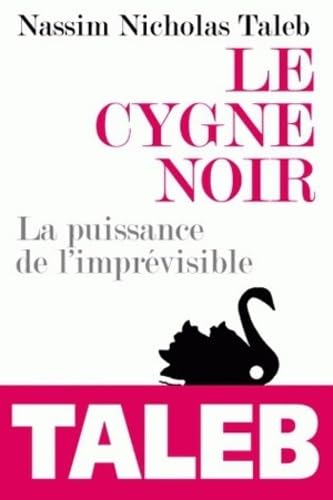
Le cygne noir: La puissance de l imprevisible
Nassim Nicholas Taleb

Antifragile: Les bienfaits du desordre
Nassim Nicholas Taleb

L Art de la guerre
Sun Tzu

Pensees pour moi-meme, suivi de Manuel d Epictete
Marc Aurele
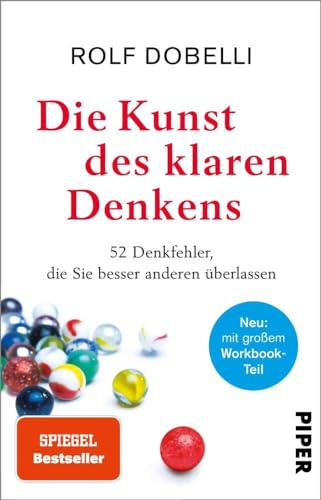
Die Kunst des klaren Denkens
Rolf Dobelli

Ikigai: Gesund und gluecklich hundert werden
Francesc Miralles, Hector Garcia

Anfaenge: Eine neue Geschichte der Menschheit
David Graeber, David Wengrow
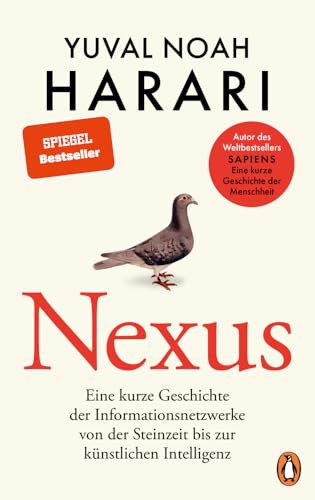
NEXUS: Eine kurze Geschichte der Informationsnetzwerke
Yuval Noah Harari

Stoizismus fuer Eilige
Brad Inwood
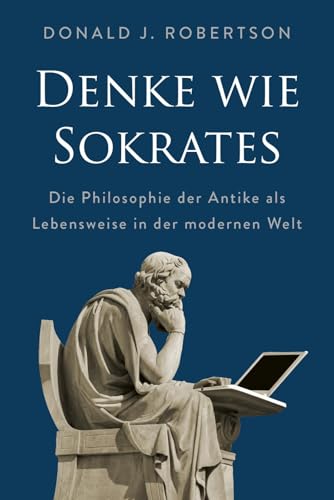
Denke wie Sokrates
Donald Robertson

A Coragem de Nao Agradar
Ichiro Kishimi e Fumitake Koga

Assim Falou Zaratustra
Friedrich Nietzsche
Manual de Epicteto: A Arte de Viver
Epicteto
Meditacoes
Marco Aurelio

El hombre en busca de sentido
Viktor E. Frankl
Meditaciones: El libro que reúne todo el saber del estoicismo
Marco Aurelio

El poder del ahora: Una guía para la iluminación espiritual
Eckhart Tolle

Las 48 leyes del poder
Robert Greene

La sociedad del cansancio
Byung-Chul Han
Así habló Zaratustra
Friedrich Nietzsche

Invicto: Logra Más, Sufre Menos
Marcos Vázquez

Los cuatro acuerdos: Un libro de sabiduría tolteca
Don Miguel Ruiz
21 lezioni per il XXI secolo
Yuval Noah Harari
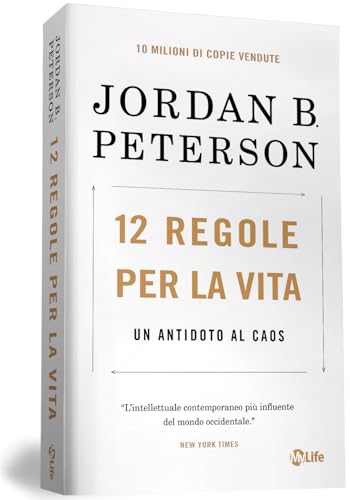
12 regole per la vita. Un antidoto al caos
Jordan B. Peterson
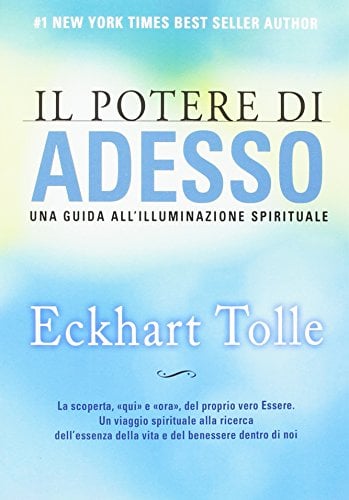
Il potere di adesso. Una guida all'illuminazione spirituale
Eckhart Tolle
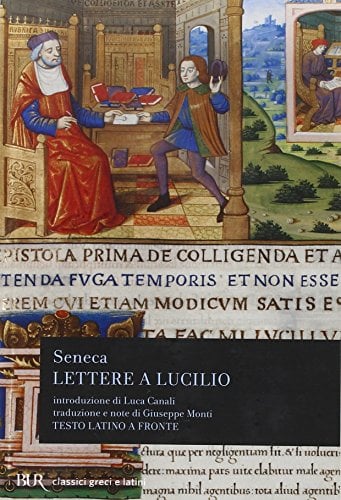
Lettere a Lucilio
Lucio Anneo Seneca
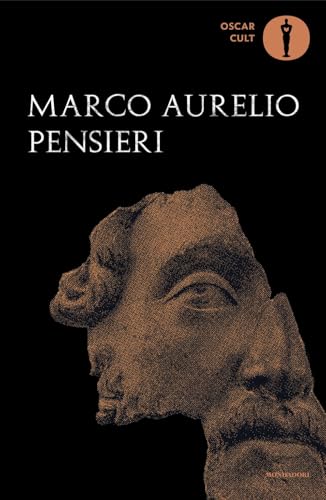
Pensieri
Marco Aurelio
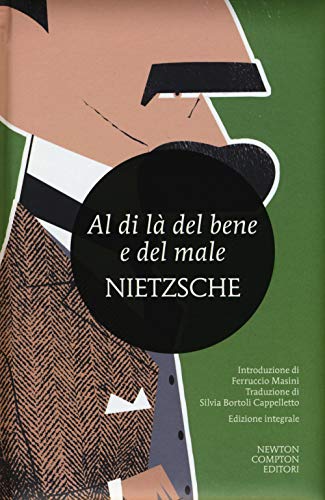
Al di la del bene e del male. Ediz. integrale
Friedrich Nietzsche
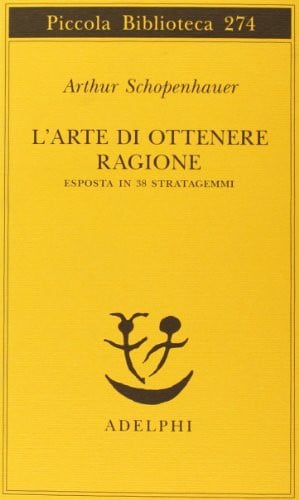
L'arte di ottenere ragione esposta in 38 stratagemmi
Arthur Schopenhauer
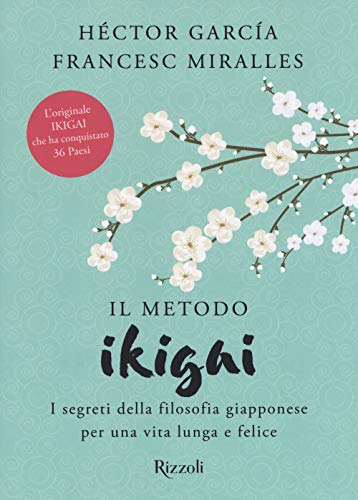
Il metodo Ikigai. I segreti della filosofia giapponese per una vita lunga e felice
Hector Garcia, Francesc Miralles
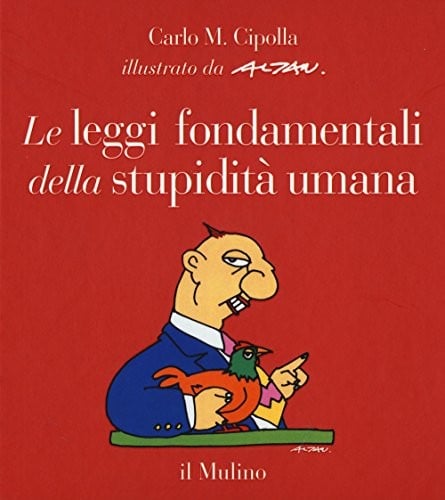
Le leggi fondamentali della stupidita umana
Carlo M. Cipolla
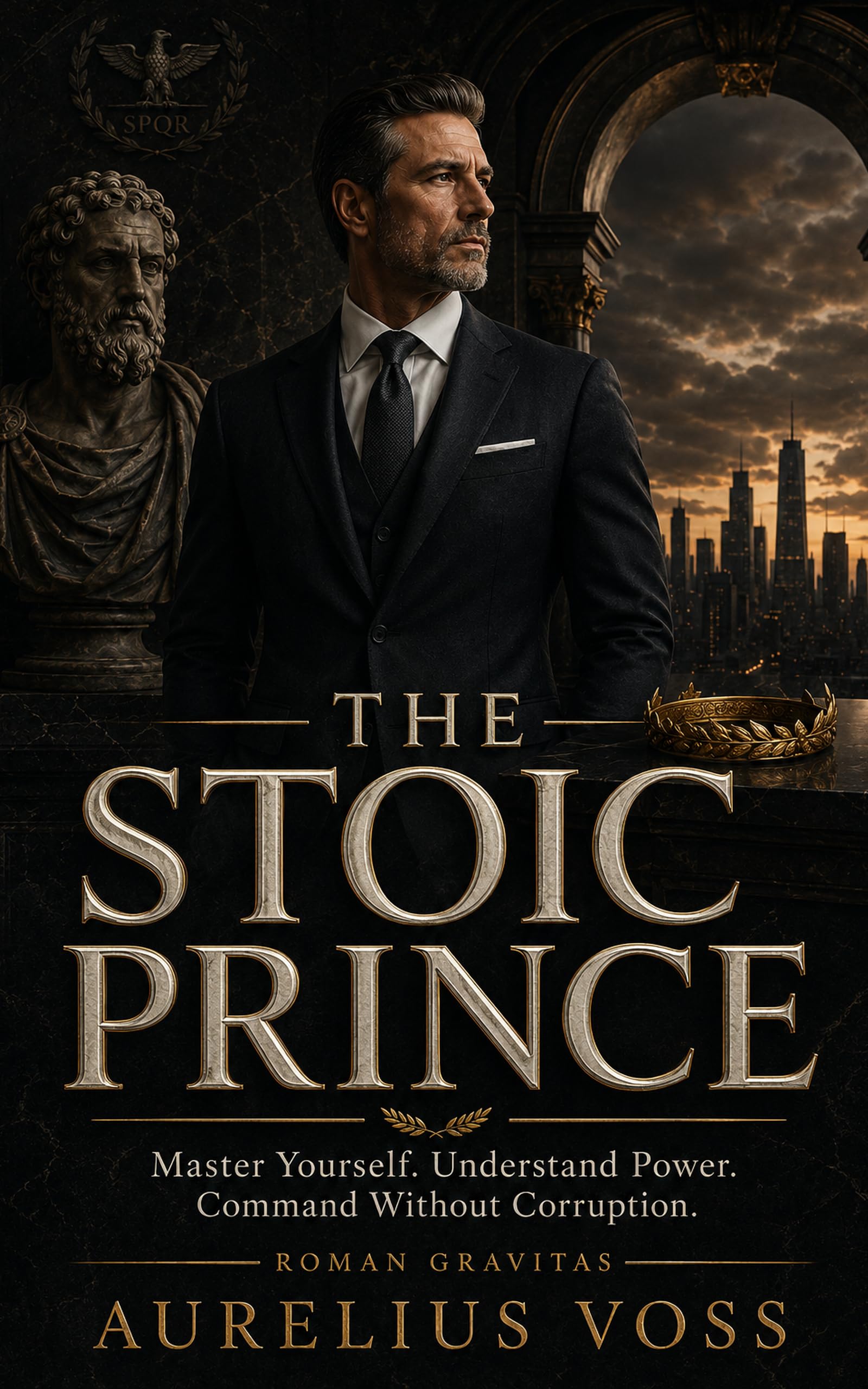
The Stoic Prince: Master Yourself. Understand Power. Command Without Corruption.
Aurelius Voss
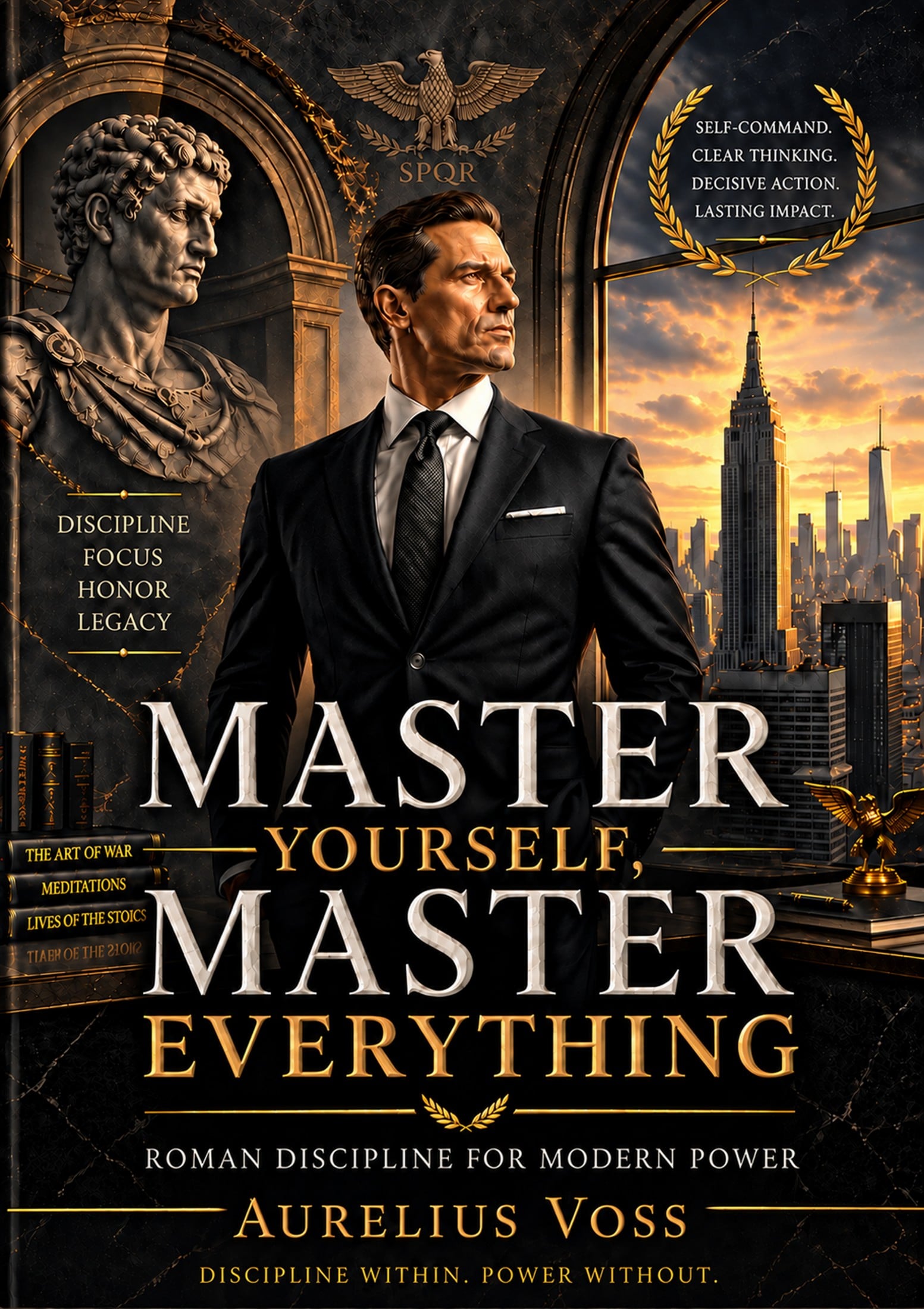
Master Yourself, Master Everything
Aurelius Voss
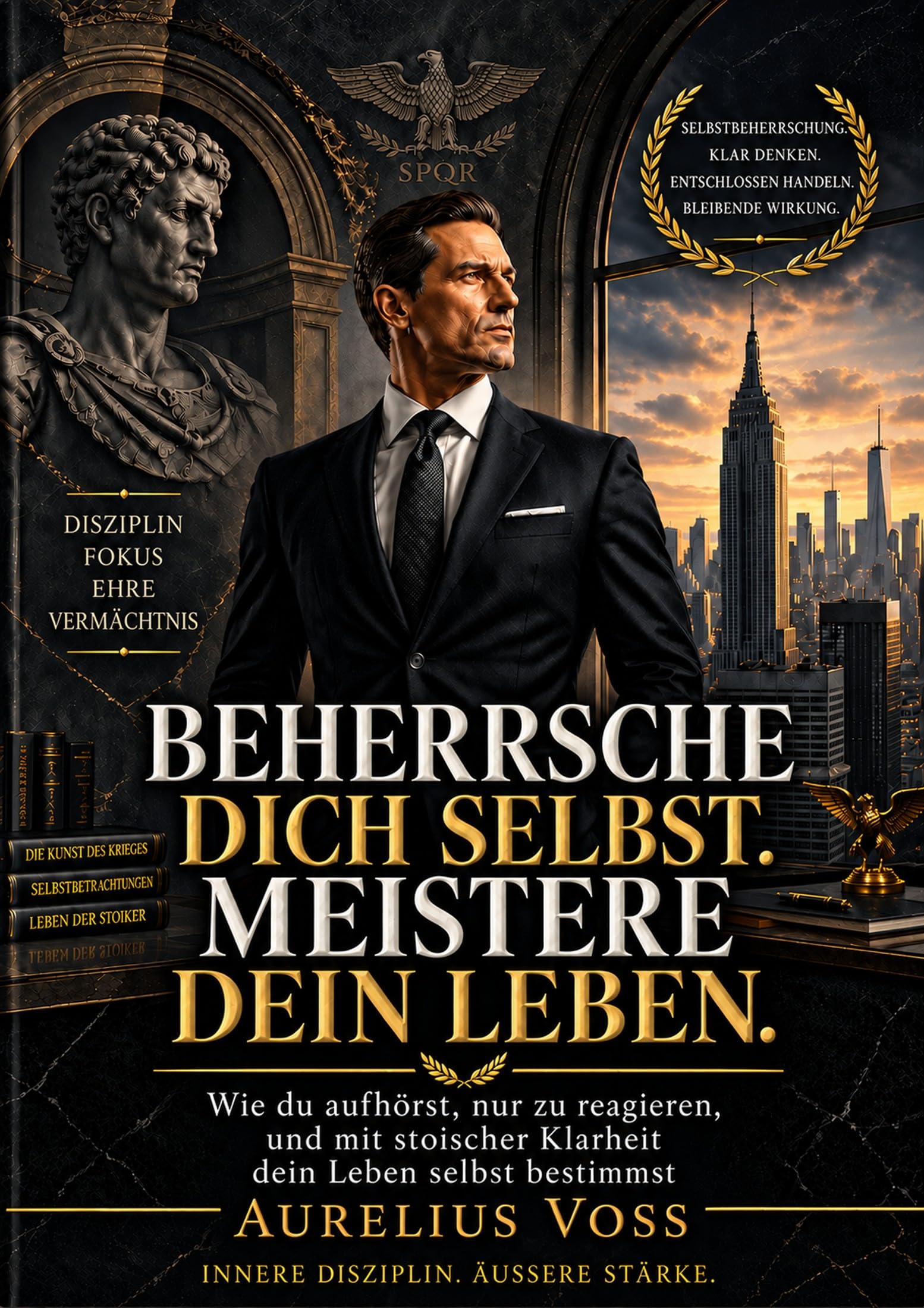
BEHERRSCHE DICH SELBST. MEISTERE DEIN LEBEN.: Wie du aufhörst, nur zu reagieren, und mit stoischer Klarheit dein Leben selbst bestimmst (German Edition)
Aurelius Voss

The Struggle for Identity
The BlackWolf
Frequently Asked Questions
Where should I start with philosophy if I am a complete beginner?+
Stoicism is the most accessible entry point for modern readers because it is practical, focused on daily life, and requires no prior philosophy background. Marcus Aurelius's Meditations and Epictetus's Enchiridion are the classic texts; several books on this page provide excellent modern introductions to the same ideas.
Is philosophy still relevant today?+
More than ever. Questions about artificial intelligence, free will, political justice, consciousness, and what makes a good life are all philosophy questions that technology and politics have made urgent again. The philosophers who wrote about identity, power, and truth centuries ago often predicted exactly the tensions we face now.
What is the difference between philosophy and self-help?+
Philosophy asks foundational questions (what is a good life? what can I know? what is real?) without necessarily answering them. Self-help assumes those answers and focuses on techniques to improve your current situation. Stoic philosophy is the clearest bridge between the two — it is philosophy that also functions as a daily practice.
Do I need to read Plato and Aristotle before modern philosophy?+
No — but reading Plato first makes modern philosophy far richer because you will recognise what later philosophers were responding to. Several books on this page provide excellent overviews that give you the context without requiring you to read the originals first.