Ancient Egypt History Facts Sleep Story: 3 Hours of Pharaohs, Pyramids and the Nile (2026)
Ancient Egypt is the longest-running civilization in human history. Three thousand years of continuous cultural identity, broken by invasions and internal collapse but always reassembling around the same geography, the same gods, the same symbolic language. When you listen to sleep stories on fascinating ancient Egypt history facts, you are absorbing a narrative so long that the pyramids were already ancient ruins by the time Cleopatra was born. The pharaohs of the New Kingdom were as distant from Cleopatra as she is from us.
The Learn While You Sleep channel covers this topic in long-form, calm-narrated sleep content built for nighttime listening. 144 videos covering history and mythology, all in the same steady, unhurried format that carries you from wakefulness into deep sleep.
3 Hours of Fascinating Ancient Egypt History Facts
Why This Format Works for Sleep
The sleep learning format works because it occupies the analytical mind just enough to prevent it from generating its own anxieties, while keeping the emotional stakes low enough to allow actual sleep. Historical content is ideal for this. The events happened long ago, to people you will never meet. Your brain processes the narrative without activating the threat responses that keep you awake.
Long videos matter too. A two-hour video that ends while you are still awake is a disruption. A four-to-seven-hour video carries you through the night without interruption. The channel produces content at the length that sleep actually needs.
The Three Kingdoms That Built Egypt
Most ancient Egypt content treats the civilization as one continuous story. It was not. The familiar timeline splits into three big periods, each separated by stretches of collapse, civil war, or foreign rule called Intermediate Periods. The Old Kingdom, roughly 2700 to 2200 BCE, is the age of the great pyramids of Giza. The Middle Kingdom, around 2050 to 1650 BCE, rebuilt the country after the first collapse and produced Egypt's literary classics. The New Kingdom, from about 1550 to 1070 BCE, is the empire of Hatshepsut, Akhenaten, Tutankhamun, and Ramesses the Great, the era most people picture when they hear the word pharaoh.
After the New Kingdom, Egypt was ruled by Libyans, Nubians, Persians, and eventually the Greek-speaking Ptolemies who arrived with Alexander the Great. Cleopatra was Greek, not Egyptian, and yet she is the last name on Egypt's pharaonic list. The shape of the story matters: Egyptian civilization absorbed conquest after conquest and rewrapped itself in older traditions. The sleep story walks you through that pattern slowly enough to actually take it in.
What the Channel Covers Beyond the Pharaohs
Most people associate Egypt with monuments. The channel goes further, with parallel sleep stories on daily life, tomb builders, the Nile, the priesthood, and the ordinary Egyptians whose names never made it onto temple walls. For broader context across the entire region, pair this episode with the ancient Egypt sleep stories hub, the ancient civilizations timeline, and the best books about Ancient Egypt roundup for daytime reading.
Books on This Topic
Sleep stories build the framework. These books fill in the detail:
- The Rise and Fall of Ancient Egypt by Toby Wilkinson, the best modern one-volume narrative survey. Reads like a novel and covers Narmer to Cleopatra without dumbing anything down.
- The Oxford History of Ancient Egypt edited by Ian Shaw, the scholarly standard. Dense, authoritative, the reference everyone else writes against.
- The Complete Gods and Goddesses of Ancient Egypt by Richard Wilkinson, every deity in the Egyptian pantheon with their myths and regional variations.
For the full guided reading path, see our history collection, with honest reviews and direct Amazon links. Subscribe to Learn While You Sleep and there will be new content waiting every night.
Your next good book, in your inbox
We only write when we find a book worth your time. Hand-picked recommendations across history, mythology, true crime and more.
Are you an author?
Get your book in front of readers like these, for free.
- Free book listing →Your own book page with an Amazon button
- Author page →Photo, bio and links to your site
- Featured placement →A spot in our best-of lists, from €29
Free tools we recommend
Get free honest reviewsReview exchange on iWrity, free to join
Books You Might Like

Sapiens: A Brief History of Humankind
Yuval Noah Harari
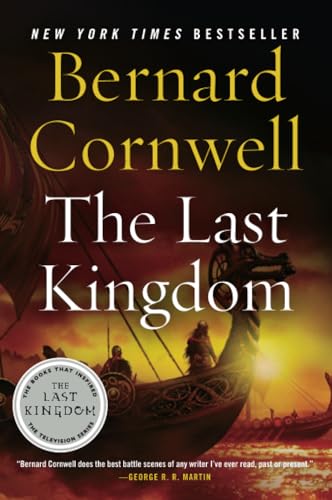
The Last Kingdom (The Saxon Stories, Book 1)
Bernard Cornwell

Meditations
Marcus Aurelius

The Hiding Place
Elizabeth Sherrill, John Sherrill Corrie ten Boom