3 Hours of EPIC British Empire History Facts: Sleep Stories to Fall Asleep To
At its peak, the British Empire covered a quarter of the earth's land surface and governed a quarter of its population. It was the largest empire in human history by those measures, and also one of the most contradictory. The same institution that abolished the slave trade ran plantation economies in the Caribbean for decades after abolition, forced opium imports on China at gunpoint, and described itself throughout as a civilising mission. Sleep stories covering British Empire history facts take you through this complexity without resolving it artificially, in a calm voice built for nighttime listening.
The Learn While You Sleep channel covers this topic in long-form, calm-narrated sleep content. 144 videos covering history and mythology, all in the same steady, unhurried format that carries you from wakefulness into deep sleep.
3 Hours of EPIC British Empire History Facts
How an Island Came to Rule a Quarter of the World
The empire was not built to a plan. It grew through trade companies, settler colonies, naval power, and a long series of wars with rival European states. The East India Company, a private corporation with its own army, took over much of the Indian subcontinent before the British state stepped in to govern it directly. Sugar, slavery, cotton, and later coal and steam each played their part. By the nineteenth century the Royal Navy controlled the sea lanes, and the phrase "the empire on which the sun never sets" was simple geography rather than boast. For the wider scramble that divided another continent in a single generation, see the sleep story on African colonization history.
Decline, Two World Wars, and the Reckoning
The empire's unwinding was as rapid as its rise was slow. Two world wars drained the money and the will to hold it together, and the cost of the Second World War left Britain dependent on the United States and unable to resist the independence movements gathering across Asia and Africa. India and Pakistan became independent in 1947, and most of the African colonies followed within two decades. What remained was a long argument, still going on, about what the empire actually did and to whom. For the conflict that broke the imperial system open, try the best World War 2 books, and to place the empire on the longer arc of human history see the ancient civilizations timeline.
Why This Format Works for Sleep
The sleep learning format works because it occupies the analytical mind just enough to prevent it from generating its own anxieties, while keeping the emotional stakes low enough to allow actual sleep. Historical content is ideal for this. The events happened long ago, to people you will never meet. Your brain processes the narrative without activating the threat responses that keep you awake. Long videos matter too. A two-hour video that ends while you are still awake is a disruption. A multi-hour video carries you through the night without interruption.
More Sleep Stories on the Channel
Browse the full playlist at Fall Asleep to History, 109 videos covering everything from the Stone Age to World War Two. For related grim chapters of empire, see the Skriuwer dark history collection, and browse the wider history collection for more.
Books on This Topic
Sleep stories build the framework. These books fill in the detail:
- Empire by Niall Ferguson. The controversial case for the British Empire's positive legacy. Essential reading whether you agree or not.
- The Anarchy by William Dalrymple. The East India Company's takeover of the Mughal Empire, one of the best history books of recent years.
- Inglorious Empire by Shashi Tharoor. The counter-argument to Ferguson, India's perspective on the same history.
For more curated history and dark history reading, browse the Skriuwer history collection with honest reviews and direct Amazon links. Subscribe to Learn While You Sleep and there will be new content waiting every night.
Your next good book, in your inbox
We only write when we find a book worth your time. Hand-picked recommendations across history, mythology, true crime and more.
Are you an author?
Get your book in front of readers like these, for free.
- Free book listing →Your own book page with an Amazon button
- Author page →Photo, bio and links to your site
- Featured placement →A spot in our best-of lists, from €29
Free tools we recommend
Get free honest reviewsReview exchange on iWrity, free to join
Books You Might Like

Sapiens: A Brief History of Humankind
Yuval Noah Harari
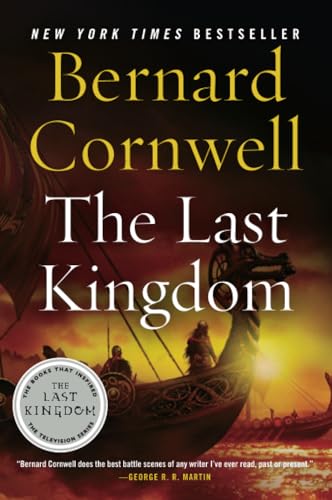
The Last Kingdom (The Saxon Stories, Book 1)
Bernard Cornwell

Meditations
Marcus Aurelius

The Hiding Place
Elizabeth Sherrill, John Sherrill Corrie ten Boom