4 Hours of DARK Maya Civilization History Facts: Sleep Stories to Fall Asleep To
The Maya are one of the few pre-Columbian civilizations that independently developed a complete writing system, accurate astronomical calculations, and the concept of zero in mathematics. Their calendar predicted astronomical events centuries in advance. They built cities in the Mesoamerican jungle without metal tools, the wheel, or draft animals. And their civilization did not simply collapse. It experienced a series of regional collapses across different centuries, with some areas flourishing long after others had been abandoned. Sleep stories covering 4 hours of dark Maya civilization history facts take you into one of the most sophisticated ancient cultures in the Americas.
The Learn While You Sleep channel covers this topic in long-form, calm-narrated sleep content built for nighttime listening. 144 videos covering history and mythology, all in the same steady, unhurried format that carries you from wakefulness into deep sleep.
4 Hours of DARK Maya Civilization History Facts
What the Maya Actually Achieved
Most people picture pyramids in the jungle and stop there. The real story is stranger. The Maya were never a single empire. They were dozens of competing city-states, places like Tikal, Palenque, and Copan, each ruled by a divine king and locked in shifting wars and alliances. Their scribes recorded these reigns in a hieroglyphic script so complete that modern scholars can now read roughly ninety percent of surviving inscriptions. They tracked the planet Venus with an accuracy that drifts by only a day or two over five centuries, and they ran three interlocking calendars at once. The famous Long Count could fix any date across a span of thousands of years, which is exactly why it became the centre of so much later confusion.
The cities themselves were as sophisticated as the calendar. At Tikal, stepped limestone pyramids rose more than sixty metres above the rainforest canopy, plastered white and painted blood red, visible for miles. Palenque had a palace with a four-storey tower and running water carried through stone aqueducts. Copan held a hieroglyphic stairway with the longest single Maya inscription ever found, more than 2,000 glyphs recording a dynasty's history step by step. Across these cities ran the Mesoamerican ballgame, played on stone courts with a heavy rubber ball, sometimes for sport and sometimes as a ritual with deadly stakes. None of it required the technologies we assume a civilization needs.
The Collapse and the 2012 Myth
Around the ninth century, the great cities of the southern lowlands were abandoned within a few generations, monuments left unfinished mid-carving. The likeliest causes are a run of severe droughts, soil exhaustion from feeding huge populations, and constant warfare between dynasties. But the Maya did not vanish. Cities in the northern Yucatan thrived for centuries afterward, and millions of Maya people live in Mexico and Central America today. The idea that they predicted the end of the world in 2012 is a modern invention. That date simply marked the rollover of a Long Count cycle, the way our own calendar turns over a millennium. For the full picture, see our overview of what we really mean by lost civilizations and where the Maya sit on our ancient civilizations timeline.
Why This Format Works for Sleep
The sleep learning format works because it occupies the analytical mind just enough to prevent it from generating its own anxieties, while keeping the emotional stakes low enough to allow actual sleep. Historical content is ideal for this: genuinely interesting, intellectually engaging, but emotionally distant enough that your nervous system can relax. The events happened long ago, to people you will never meet. Your brain processes the narrative without activating the threat responses that keep you awake.
Long videos matter too. A two-hour video that ends while you are still awake is a disruption. A four-to-seven-hour video carries you through the night without interruption. The channel produces content at the length that sleep actually needs.
Books on This Topic
Sleep stories build the framework. These books fill in the detail:
- The Maya: A Very Short Introduction by Matthew Restall and Amara Solari: the best place to start, short and myth-free.
- The Maya by Michael D. Coe and Stephen Houston: the standard one-volume survey of the civilization.
- Breaking the Maya Code by Michael Coe: the gripping story of how the hieroglyphs were finally decoded.
For a full ranked reading guide, see our best books about the Maya, and for the other half of the Mesoamerican story, the Aztec empire history feature. Subscribe to Learn While You Sleep and there will be new content waiting every night.
Your next good book, in your inbox
We only write when we find a book worth your time. Hand-picked recommendations across history, mythology, true crime and more.
Are you an author?
Get your book in front of readers like these, for free.
- Free book listing →Your own book page with an Amazon button
- Author page →Photo, bio and links to your site
- Featured placement →A spot in our best-of lists, from €29
Free tools we recommend
Get free honest reviewsReview exchange on iWrity, free to join
Books You Might Like

Sapiens: A Brief History of Humankind
Yuval Noah Harari
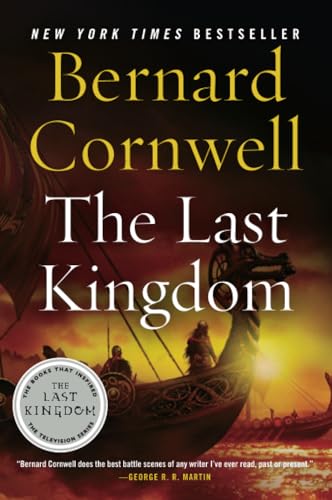
The Last Kingdom (The Saxon Stories, Book 1)
Bernard Cornwell

Meditations
Marcus Aurelius

The Hiding Place
Elizabeth Sherrill, John Sherrill Corrie ten Boom