3 Hours: The Rise and Fall of Ancient Babylon: Sleep Stories to Fall Asleep To
Babylon was the largest city on earth for most of the period between 1770 BCE and 500 BCE. It gave us the Hammurabi law code, one of the first written legal systems in history. It gave us the Tower of Babel, or at least the ziggurat of Etemenanki that inspired it. It was conquered by Cyrus the Great, then by Alexander, then gradually abandoned as the rivers shifted and the trade routes moved. Sleep stories covering the rise and fall of ancient Babylon take you through one of the great urban civilizations of the ancient world, slowly enough that you drift off before the city ever falls.
The Learn While You Sleep channel covers this topic in long-form, calm-narrated sleep content built for nighttime listening. 144 videos covering history and mythology, all in the same steady, unhurried format that carries you from wakefulness into deep sleep.
3 Hours: The Rise and Fall of Ancient Babylon
From Hammurabi to the Hanging Gardens
Babylon rose twice. The first peak came under Hammurabi around 1792 to 1750 BCE, the Amorite king who united southern Mesopotamia and issued the law code carved on a basalt stele now in the Louvre. The famous principle of an eye for an eye sounds harsh, but the code was actually a step toward predictable, written justice in a world that had run on the personal whim of local rulers. After Hammurabi's dynasty faded, Babylon spent centuries under Assyrian domination. Its second and most spectacular peak came under the Neo-Babylonian kings, above all Nebuchadnezzar II, who rebuilt the city in the sixth century BCE with the blue-glazed Ishtar Gate, the processional way, and the legendary Hanging Gardens that ancient writers counted among the seven wonders.
The Fall: Cyrus, Alexander, and Slow Abandonment
Babylon did not fall in a single dramatic siege. In 539 BCE the Persian king Cyrus the Great took the city, by some accounts almost without a fight, and the famous Cyrus Cylinder presents him as a liberator restoring the gods rather than a conqueror. Babylon stayed a major imperial center under Persian rule, then passed to Alexander the Great in 331 BCE. Alexander planned to make it his eastern capital and died there in 323 BCE. After his empire split, the new Greek city of Seleucia drew away Babylon's population and trade. The Euphrates shifted course, the canals silted, and over centuries the greatest city of the ancient Near East dwindled to mounds of mudbrick. That long, quiet decline is part of why the topic works so well for sleep.
Why This Format Works for Sleep
The sleep learning format works because it occupies the analytical mind just enough to prevent it from generating its own anxieties, while keeping the emotional stakes low enough to allow actual sleep. Historical content is ideal for this. The events happened long ago, to people you will never meet. Your brain processes the narrative without activating the threat responses that keep you awake. Long videos matter too. A two-hour video that ends while you are still awake is a disruption. A three-to-seven-hour video carries you through the night without interruption.
More Sleep Stories on the Channel
Browse the full playlist at Fall Asleep to History, 109 videos covering everything from the Stone Age to World War Two. For the wider Mesopotamian backdrop, try the ancient Mesopotamia history facts sleep story, and for how Babylon fits into the deeper past see the earliest civilizations in the world guide.
Books on This Topic
Sleep stories build the framework. These books fill in the detail:
- Babylon: Mesopotamia and the Birth of Civilization by Paul Kriwaczek. The most accessible single-volume history of Babylonian civilization, tracing the whole arc from the first cities to the fall.
- The Epic of Gilgamesh translated by Andrew George. The story that Babylon preserved and passed on, the oldest adventure narrative in human history, in the standard modern translation.
- Mesopotamia: The Invention of the City by Gwendolyn Leick. A city-by-city tour of the urban world that produced Babylon, written for general readers but grounded in the archaeology.
For more curated ancient history, browse the Skriuwer history collection with honest reviews and direct Amazon links. Subscribe to Learn While You Sleep and there will be new content waiting every night.
Your next good book, in your inbox
We only write when we find a book worth your time. Hand-picked recommendations across history, mythology, true crime and more.
Are you an author?
Get your book in front of readers like these, for free.
- Free book listing →Your own book page with an Amazon button
- Author page →Photo, bio and links to your site
- Featured placement →A spot in our best-of lists, from €29
Free tools we recommend
Get free honest reviewsReview exchange on iWrity, free to join
Books You Might Like

Sapiens: A Brief History of Humankind
Yuval Noah Harari
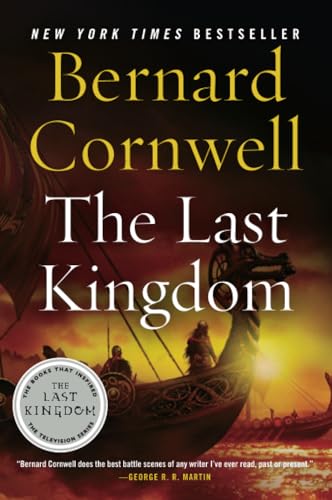
The Last Kingdom (The Saxon Stories, Book 1)
Bernard Cornwell

Meditations
Marcus Aurelius

The Hiding Place
Elizabeth Sherrill, John Sherrill Corrie ten Boom