6 Hours of Epic War History Facts: Sleep Stories to Fall Asleep To
War is the most documented human activity in history. From the earliest Sumerian records through to the present, military conflict has generated more historical writing than any other subject. Sleep stories covering 6 hours of epic war history facts take you through the broadest sweep of military history. The battles, the strategies, the technologies, and the human decisions that determined how conflicts began, escalated, and ended.
The Learn While You Sleep channel covers this topic in long-form, calm-narrated sleep content built for nighttime listening. 144 videos covering history and mythology, all in the same steady, unhurried format that carries you from wakefulness into deep sleep.
6 Hours of Epic War History Facts
The Long Arc of Military History
The recorded history of war runs from the Battle of Megiddo around 1457 BCE, the earliest battle for which a reliable narrative survives, to the present. Most of that history is the slow co-evolution of weapons, organization, and logistics. Bronze gives way to iron. Hoplite phalanxes give way to Roman manipular legions. Stirrup-equipped cavalry reshapes medieval warfare. Gunpowder dismantles the castle. Industrial production turns the 19th century into the age of mass armies. The 20th century weaponizes science itself, ending with nuclear deterrence and the long peace between great powers.
The interesting question is not who won which battle. It is why some military systems collapse and others adapt. The Romans rebuilt their army from scratch three times. The Mongols absorbed every steppe innovation they encountered. The British army learned from defeats in America, Crimea, and the Boer War, and was a different institution by 1914. Sleep stories work for this material because the long timescale matches the slow drift of falling asleep.
Why This Format Works for Sleep
The sleep learning format works because it occupies the analytical mind just enough to prevent it from generating its own anxieties, while keeping the emotional stakes low enough to allow actual sleep. Historical content is ideal for this. Genuinely interesting, intellectually engaging, but emotionally distant enough that your nervous system can relax. The events happened long ago, to people you will never meet. Your brain processes the narrative without activating the threat responses that keep you awake.
Long videos matter too. A two-hour video that ends while you are still awake is a disruption. A four-to-seven-hour video carries you through the night without interruption. The channel produces content at the length that sleep actually needs.
The Sub-Topics Inside a Six-Hour War History
A six-hour overview of war history typically covers the same recurring layers. Ancient warfare introduces the chariot, the phalanx, and the siege. Classical warfare follows the rise of the Roman legion and the long contest between Rome and Carthage. Medieval warfare turns on cavalry, fortification, and the slow erosion of feudal levies by professional standing forces. The early modern period brings gunpowder, the line infantry tactics of the 17th and 18th centuries, and the levée en masse of the French Revolution. The 19th century industrializes the supply chain. The 20th century introduces the machine gun, the tank, the aircraft, the submarine, the radio, and the atomic bomb. Each of these is a chapter on its own, and a long-form sleep story is the rare format that has time to give all of them their due.
More Sleep Stories on the Channel
Browse the full playlist at Fall Asleep to History, 109 videos covering everything from the Stone Age to World War Two. New content added regularly. See also our roundup of the broader history of war sleep stories, and our guide to learning history while you sleep. For the most heavily documented conflict in that whole arc, see our best World War 2 books reading guide.
Books on War History
Sleep stories build the framework. These books fill in the detail:
- A History of Warfare by John Keegan. The defining modern account of war as a cultural and historical phenomenon, not a purely strategic one.
- The Art of War by Sun Tzu. The foundational strategic text, still required reading in modern staff colleges 2,500 years on.
- Carnage and Culture by Victor Davis Hanson. A controversial but influential account of why Western armies have historically been unusually lethal at decisive battle.
Find these and more at Skriuwer's curated history collection, with honest reviews and direct Amazon links. For deep coverage of one of the most studied conflicts, see the best World War 2 books. Subscribe to Learn While You Sleep and there will be new content waiting every night.
Your next good book, in your inbox
We only write when we find a book worth your time. Hand-picked recommendations across history, mythology, true crime and more.
Are you an author?
Get your book in front of readers like these, for free.
- Free book listing →Your own book page with an Amazon button
- Author page →Photo, bio and links to your site
- Featured placement →A spot in our best-of lists, from €29
Free tools we recommend
Get free honest reviewsReview exchange on iWrity, free to join
Books You Might Like

Sapiens: A Brief History of Humankind
Yuval Noah Harari
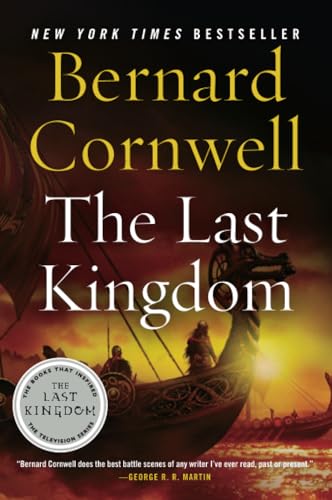
The Last Kingdom (The Saxon Stories, Book 1)
Bernard Cornwell

Meditations
Marcus Aurelius

The Hiding Place
Elizabeth Sherrill, John Sherrill Corrie ten Boom