The Hidden History of Ancient Rome: A Long Sleep Story Across 1,200 Years of Empire
Rome was not built in a day, and it did not fall in one either. The collapse of the Western Empire took three centuries of frontier pressure, economic strain, political instability, and slow institutional decay, which is one reason it is so fascinating. There was no single moment of failure. There were hundreds of them, each survivable on its own, collectively fatal. A long sleep story on the hidden history of ancient Rome is the right format for that timescale. The narrative covers 1,200 years and never has to hurry. Caesar's career sits at the hinge between Republic and Empire, and the Skriuwer roundup of the best books about Julius Caesar ranks the strongest biographies and political histories of that turning point.
The Learn While You Sleep channel covers this material in long-form, calm-narrated audio designed for nighttime listening. The video below is the multi-hour version, paced for slow breathing and the drift into deep sleep.
The Hidden History of Ancient Rome
What Counts as Hidden History
The sleep story uses "hidden" in a specific sense. It does not promise conspiracy. It surfaces the parts of Roman history that get cut from school timelines for reasons of pace: the kings before the Republic, the long mid-Republic that built the institutions, the obscure third-century emperors who held the empire together when it almost broke, and the Eastern half that survived for another thousand years after the Western half collapsed. None of it is secret. All of it is documented. It just rarely makes it into the standard five-act version that ends with the assassination of Caesar and the conversion of Constantine.
The story spends time on the third-century crisis specifically. Between 235 and 284 CE the empire had more than fifty emperors, including soldiers, frauds, and a few who survived less than a month. The empire should have ended there and did not. Understanding how it survived is the precondition for understanding why the later collapse was so slow and so contested.
Why the Sleep Format Carries This Period
The sleep learning format works because it occupies the analytical mind just enough to prevent it from generating its own anxieties, while keeping the emotional stakes low enough to allow actual sleep. Late Roman history is ideal material. The political moves are intricate, the names rotate quickly, and the listener has time to lose track and pick the thread back up without anxiety. For the imperial peak, see the Skriuwer guide to the best books about ancient Rome. For the daily texture that the political story rides on top of, see the daily life sleep story.
Long videos matter. A two-hour video that ends while you are still awake is a disruption. The multi-hour format on this channel carries you through the night. Browse the full playlist at Fall Asleep to History, which covers everything from the Stone Age to World War Two.
Books to Read After the Sleep Story
Sleep stories build the framework. These three books fill in the detail, and all three carry the Skriuwer affiliate tag:
- SPQR: A History of Ancient Rome by Mary Beard. The strongest modern one-volume introduction. Runs from the founding through the early third century and is written for readers who never studied Latin and were never going to.
- The Fall of the Roman Empire by Peter Heather. The definitive modern account of why Rome collapsed, written against the older arguments about Christianity and internal decadence. Heather puts the barbarian migrations back at the centre of the story.
- Rubicon by Tom Holland. The late Republic and the civil wars that produced the Empire. Reads like a political thriller and is the best book on the period for readers who want narrative drive over scholarly hedging.
For more, browse the Skriuwer history book collection, with verified review counts and direct Amazon links. For the long context that situates Rome among other Mediterranean states, see the Skriuwer guide to the ancient civilizations timeline. Subscribe to Learn While You Sleep and there will be new content waiting every night.
Your next good book, in your inbox
We only write when we find a book worth your time. Hand-picked recommendations across history, mythology, true crime and more.
Are you an author?
Get your book in front of readers like these, for free.
- Free book listing →Your own book page with an Amazon button
- Author page →Photo, bio and links to your site
- Featured placement →A spot in our best-of lists, from €29
Free tools we recommend
Get free honest reviewsReview exchange on iWrity, free to join
Books You Might Like

Sapiens: A Brief History of Humankind
Yuval Noah Harari
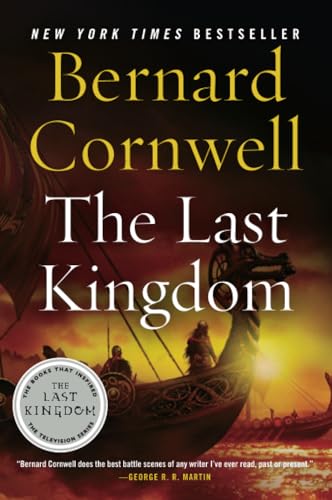
The Last Kingdom (The Saxon Stories, Book 1)
Bernard Cornwell

Meditations
Marcus Aurelius

The Hiding Place
Elizabeth Sherrill, John Sherrill Corrie ten Boom